Uganda moves HIV and TB care into routine clinics after sudden 2025 aid cuts
Following a sharp fall in external health aid in 2025, Uganda has directed HIV, TB and other disease programmes to integrate into routine primary care and in December published three policy...
Uganda has moved HIV, TB and other disease-specific programmes into routine health services after a sharp drop in external health aid was projected for 2025 and a WHO Africa summary described the Ugandan response. In December 2025 the government published three national policy documents setting out how services will be reorganised through 2030.
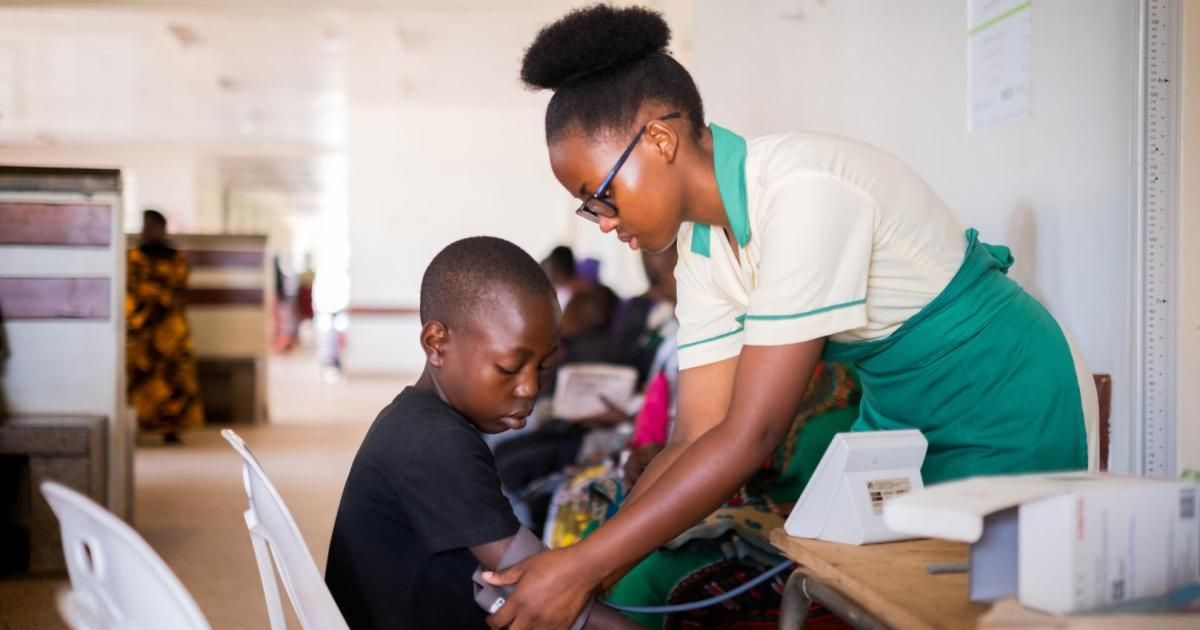
A health worker attends to a young patient at a clinic. Image: World Health Organization Regional Office for Africa (WHO Africa)
In February 2025 the Ministry of Health issued a directive to integrate disease-specific programmes into routine services. The three documents published in December 2025 are the Ministry of Health Strategic Plan 2025/2026-2029/30, the Uganda National Health Compact 2025-2030, and the Health Systems Integration Framework. Together they form the government roadmap for integrated, people-centred routine health services to 2030.
The World Health Organization warned that many countries experienced sharp falls in external funding in 2025. In its global guidance the WHO said external health aid was projected to drop by about 30% to 40% in 2025 compared with 2023, and a WHO survey of 108 low- and middle-income countries collected in March 2025 found cuts that in some places reduced critical services by as much as 70%; see the WHO global guidance and the WHO Africa summary for details.
The WHO supported Uganda through the UHC Partnership, providing technical assistance and serving as permanent co-chair and secretariat for the Uganda Health Development Partners Forum. The UHC Partnership page lists the partners and donors that support the platform.
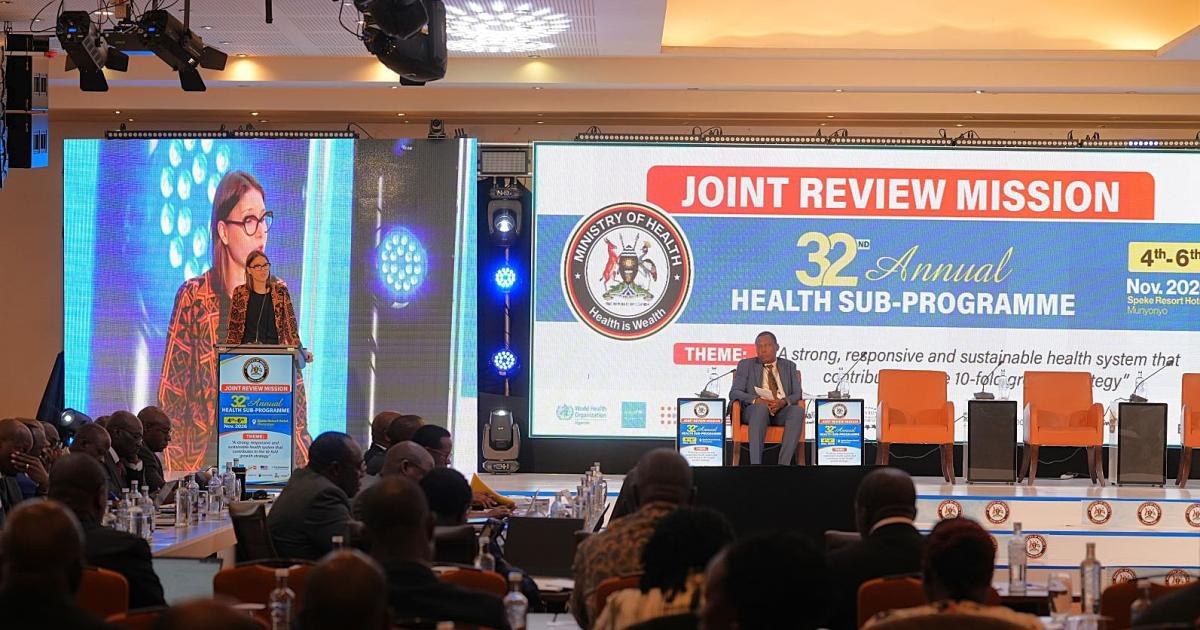
The Uganda Health Development Partners Forum brings together bilateral and multilateral partners backing the health sector, including donor governments and development agencies and multilaterals such as Gavi, the Global Fund, UNICEF, UNFPA, UNAIDS, UNDP, UNHCR and the World Bank. For over 10 years members of the Forum have met monthly at the WHO Uganda Country Office to improve partner coordination and alignment with government priorities. As external funding contracted, the Forum became the main platform through which partners coalesced around particular policy angles and harmonised their efforts to improve aid effectiveness.
Early evaluations cited by the WHO describe rapid integration: integration had reached almost every facility assessed, and 95% of evaluated health facilities had integrated disease-specific services into coordinated, people-centred care models. Patients reported fewer visits, broader access to services, and more comprehensive care; see the WHO Africa summary for the evaluation details.
For years Alex Musungu, a 53-year-old man living with HIV and hypertension in eastern Uganda, travelled to separate clinics on different days for each condition. "I used to spend at least two days every month and a lot of money on transport to attend the antiretroviral therapy clinic and then the hypertension clinic on another day. I was also worried about being seen among people living with HIV," he said. He now receives care for both conditions in a single visit at an integrated chronic care clinic, which he says saves time and money.
Dr Diana Atwine, Permanent Secretary at the Ministry of Health, said: "Integration is not simply a response to declining external resources; it is an opportunity to build a more resilient health system. We must organise our services, financing and partnerships around the needs of people, while ensuring that essential health services remain accessible and of good quality."
Dr Kasonde Mwinga, WHO Representative to Uganda, said: "Integration is about making the health system work better for people. Its success depends on ensuring that patients receive timely, safe and effective care, that health workers have the skills and support they need, and that essential medicines, diagnostics and other resources remain available."
Name changed to protect privacy.
Newzroom dot Africa has reached out to UNICEF and Ministry of Health, Uganda for comment and is awaiting a response. This story will be updated when they respond.
Source: WHO Africa