South Sudan replaces its 2009 vaccine policy to reach children who still miss out
South Sudan's new immunisation guidelines replace a 2009 policy and target the many children who never get a vaccine or never finish their course.

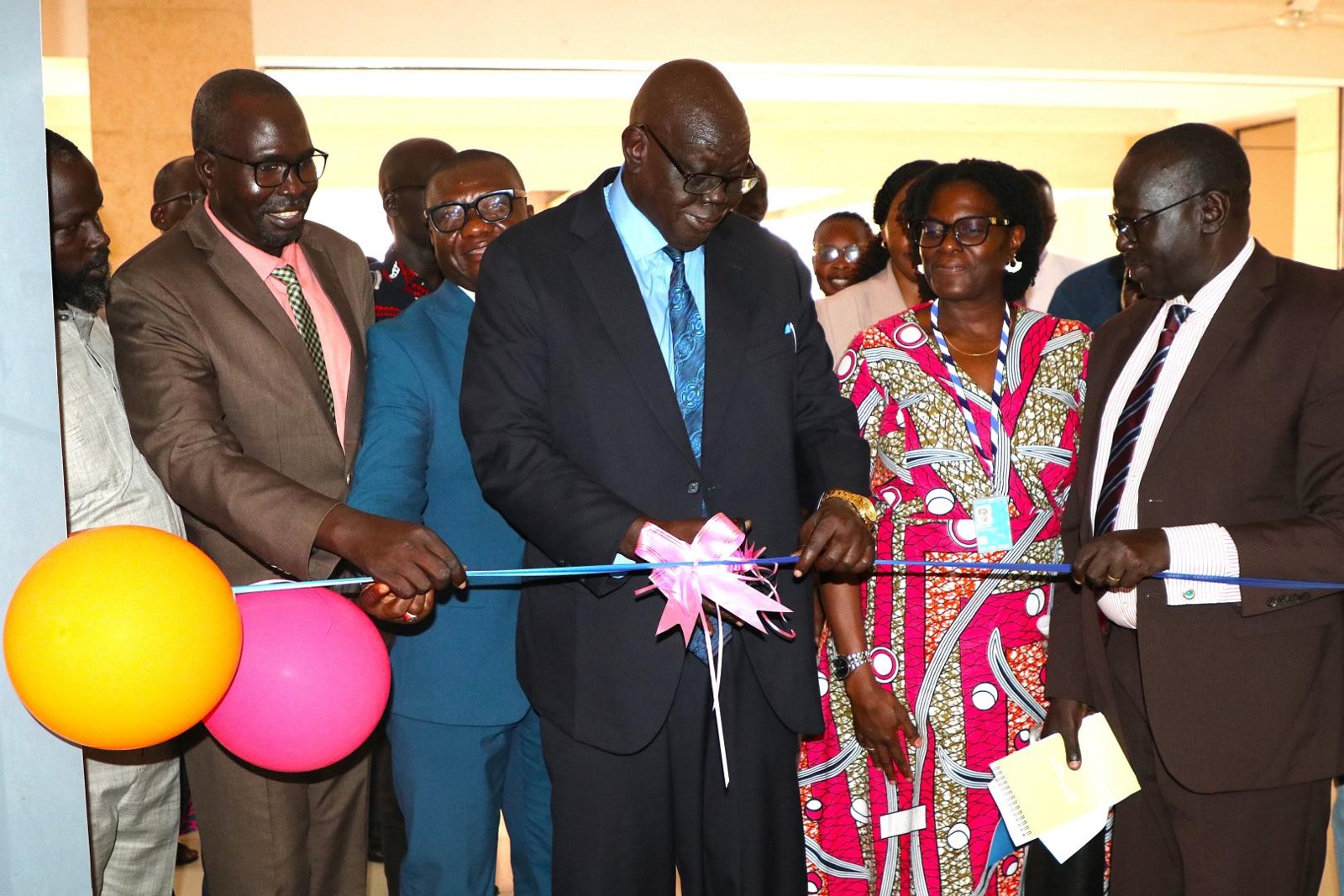
South Sudan has replaced its 2009 immunisation policy with new national guidelines aimed at the many children who still miss their vaccines, the Ministry of Health and the World Health Organization said on Monday.
The National Expanded Programme on Immunization Policy Guidelines set out how vaccination will be planned, governed, paid for, delivered and monitored, with clear responsibilities at every level of the health system. They take in what has changed since 2009: new vaccines, digital health tools, a deepening humanitarian crisis and global targets such as the Immunization Agenda 2030.
The gaps they have to close are large. The ministry and WHO point to low and uneven coverage in parts of the country, a high number of children who have never had a single vaccine, children who start their vaccines but drop out, and repeated disease outbreaks. Insecurity, people forced from their homes, weak health facilities, too few trained health workers and heavy reliance on outside funding all stand in the way.
"Immunization protects lives. South Sudan has made important progress in expanding vaccination services and introducing new vaccines. Yet many children still miss protection because of distance, disrupted services and limited resources," said Dr Mutale Nsakashalo, cluster lead for the health programme at WHO South Sudan.
Dr George Awzenio Legge, who manages the immunisation programme at the Ministry of Health, said the policy sets out "a clear vision of a South Sudan where everyone, everywhere, at every age enjoys equitable access to safe, effective, high-quality, and sustainable immunization services, free from vaccine-preventable diseases".
The malaria vaccine shows the problem
The policy arrives as the country's biggest recent vaccine rollout shows both the progress and the gap. South Sudan added a malaria vaccine to routine childhood vaccination in July 2024, starting in the 28 counties with the highest malaria burden, and extended it to the remaining 52 counties in August 2025. Malaria causes 5.5 million cases and more than 4,000 deaths a year in the country, and infection among children aged six months to five years rose from 32% in 2017 to 52.6% in 2023, according to WHO.
The vaccine is given in four doses, at 5, 6, 7 and 18 months. A post-introduction evaluation published in October 2026 found that completing the four doses is the challenge, particularly the last dose in a child's second year: the same pattern of children starting and not finishing that the new guidelines are meant to fix.
WHO is also supporting South Sudan's first population-based cancer registry, opened in Juba.
The ministry and its partners now have to turn the policy into practice: the guidelines set out how services, vaccine supplies, partners and results will be managed and checked at each level.
Source: WHO Africa