South Sudan opens first population-based cancer registry in Juba
The Juba Population-Based Cancer Registry will replace modelled estimates with observed national data to help plan prevention, diagnosis and treatment.

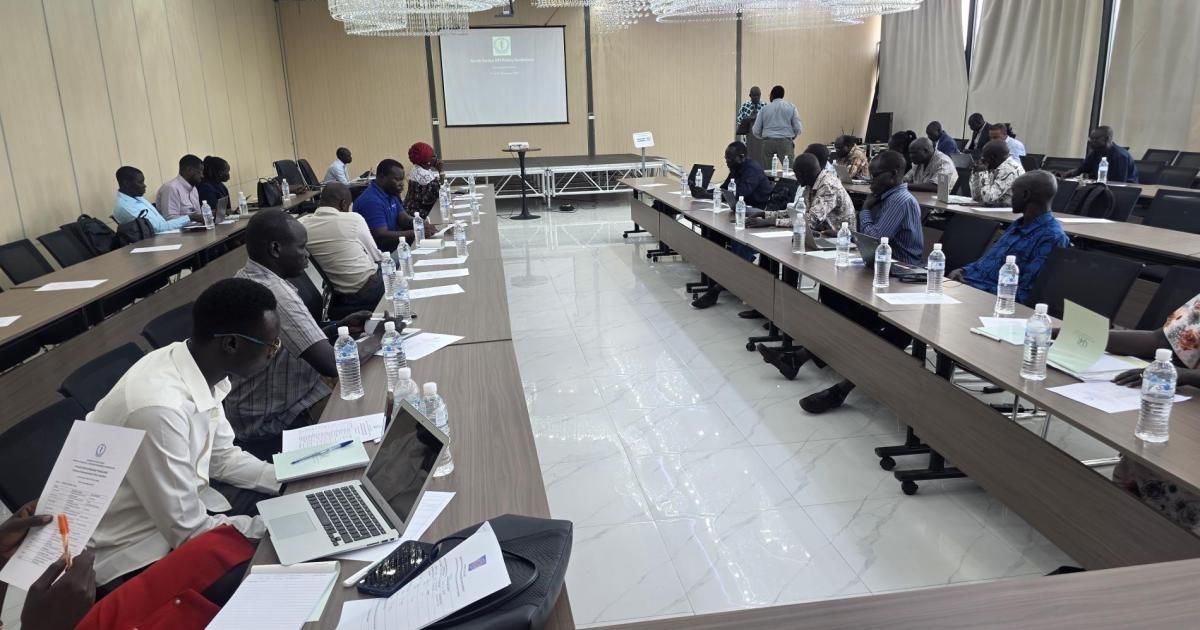
South Sudan has opened its first population-based cancer registry at Juba Teaching Hospital to replace modelled estimates with observed national data and help plan prevention, diagnosis, treatment and palliative care.
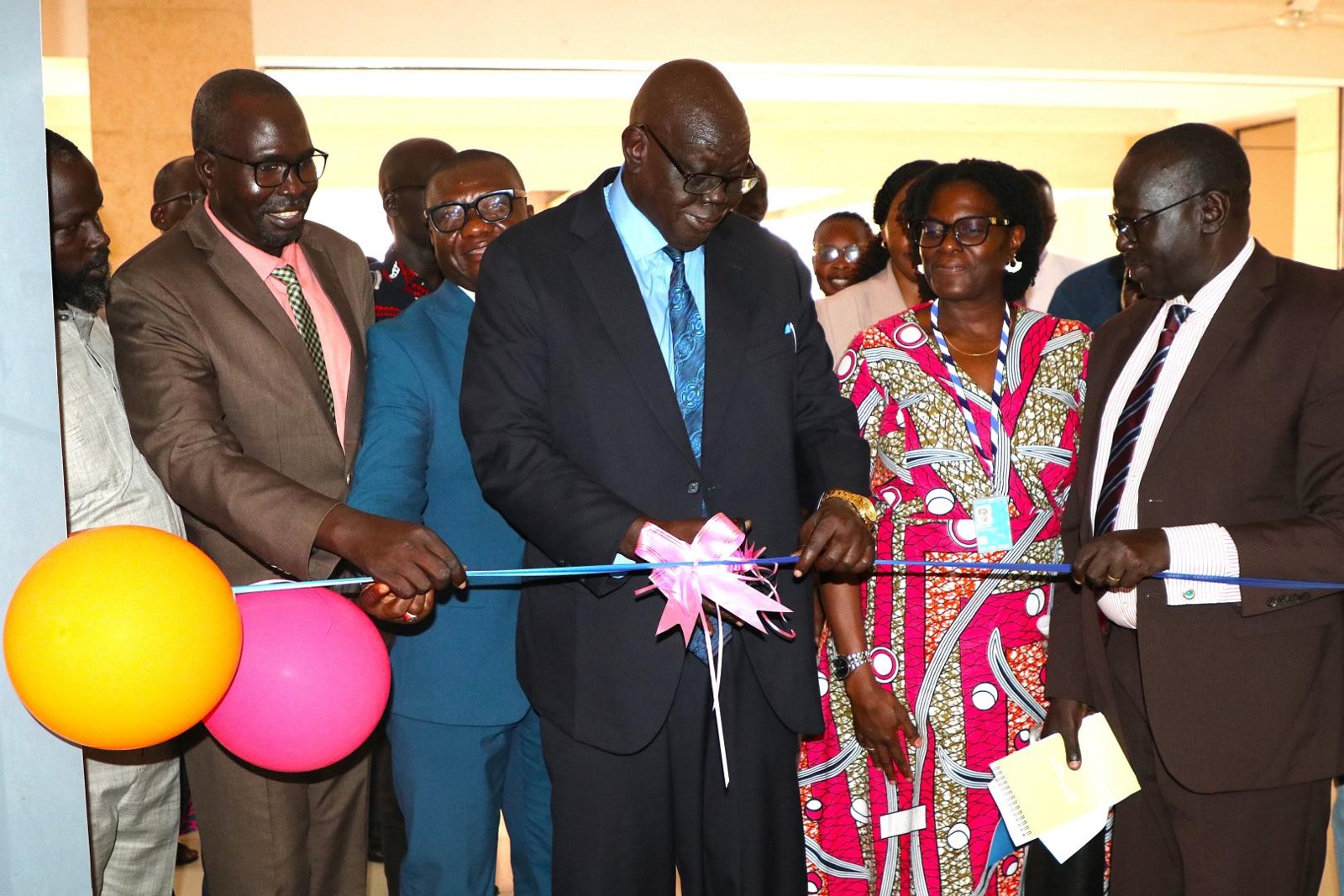
The Juba Population-Based Cancer Registry was established by the Ministry of Health with the South Sudan Cancer Network, supported by the World Health Organization (WHO), the International Agency for Research on Cancer (IARC) and the African Cancer Registry Network (AFCRN). The registry was inaugurated at Juba Teaching Hospital in the national capital.
Until now the country has relied on modelled estimates. IARC estimated more than 8,000 new cancer cases and over 5,000 deaths in South Sudan in 2024. The new registry will collect counts of diagnosed cancers from hospitals and clinics so planners and health services can use observed, local data.
The Minister of Health, Hon. Dak Duop Bichok, said the lack of reliable national data had been a major challenge. "For quite too long we have been concerned about the growing burden of cancer in our country, our biggest challenges has been the lack of reliable national data to tell the actual number of people affected and the type of cancer," he said. He added that the registry will provide evidence on the most common cancers and the populations at greatest risk, helping the government and partners target prevention and allocate scarce resources.
Dr Mutale Nsakashalo, Cluster Lead for Health Programs at WHO South Sudan, said the registry will be a critical tool for planning comprehensive cancer services. "The registry will serve as a critical tool for planning and strengthening comprehensive cancer services, including prevention, early detection, diagnosis, treatment, survivorship, and palliative care, thereby contributing to improved health outcomes for the population," she said.
WHO supported the registry's start-up by providing office furniture and equipment, including computers and printers, and will support data-collection software and offer technical guidance to the registry team.
Regional and international partners will support the registry to meet international standards. AFCRN coordinates and supports cancer registries across sub-Saharan Africa and offers technical and scientific support, tailored training and advocacy. IARC leads the Global Initiative for Cancer Registry Development (GICR) and works with AFCRN to provide training and tools, including an e-learning series for registry staff.
There are practical tools South Sudan can use to sustain and expand registration: AFCRN and IARC have supported a legal toolkit to help countries develop laws or regulations for mandatory cancer reporting, and the GICR offers free e-learning modules for registrars, data managers and analysts.
Moving from modelling to observed data should let health officials identify which cancers are most common locally, track trends over time, plan services where they are needed and make clearer cases for funding and equipment. The Juba registry will also create a route for ongoing technical support through AFCRN and IARC's regional arrangements.
The registry's establishment is an early step: it now needs to collect complete diagnostic records from hospitals and clinics, ensure secure data management, and build staff capacity so the counts it produces are reliable and useful for policy and care.
Sources: Ministry of Health, South Sudan Cancer Network, WHO, IARC, AFCRN.
Newzroom dot Africa has reached out to the African Cancer Registry Network for comment and is awaiting a response. This story will be updated when they respond.
Sources
- WHO Africa: A Landmark step for public health: South Sudan launches first-ever cancer registry
- afro.who.int
Source: WHO Africa