Uganda produced nearly 32,000 tonnes of tobacco leaf in 2024, but the crop contributes little to the economy
A WHO report says Uganda produced almost 32,000 tonnes of tobacco leaf in 2024, about 5% of Africa's output, yet the crop used just 0.16% of agricultural land and made up under 1% of exports.

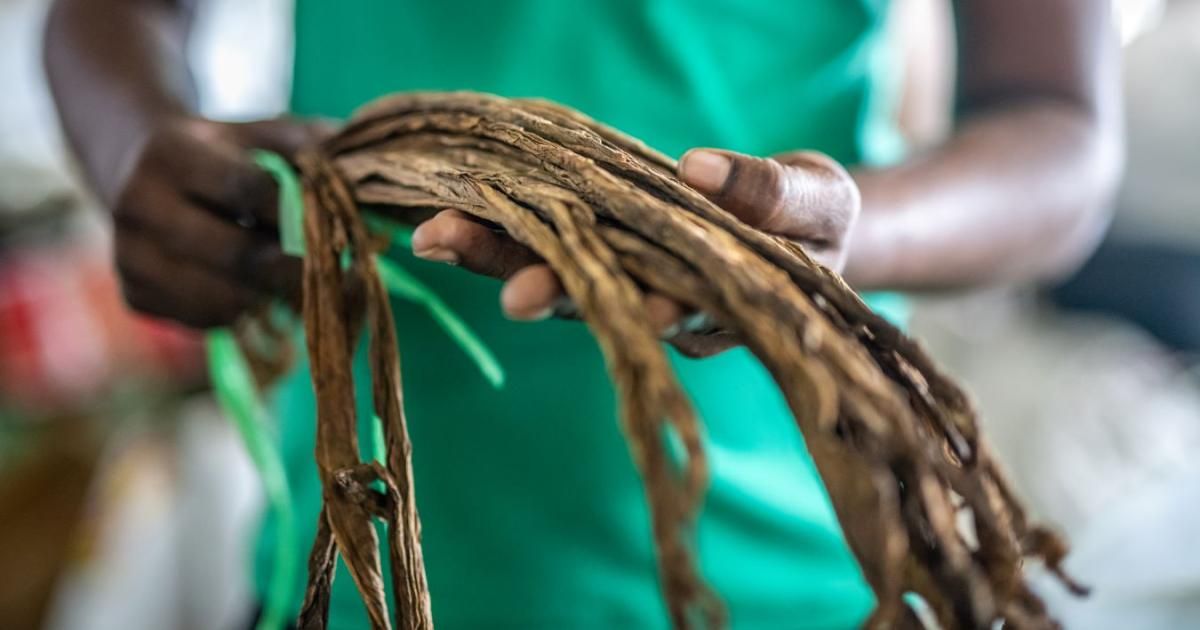
A World Health Organization report says Uganda produced nearly 32,000 tonnes of tobacco leaf in 2024, about 5% of Africa's tobacco leaf output. The report notes a broader shift: global tobacco leaf production fell by 18.8% between 2012 and 2024, while production in Africa rose by 8.61%.
The WHO places Uganda among Africa's five largest tobacco producers alongside Zimbabwe, Malawi, Tanzania and Mozambique. Yet the crop contributes only a small share to Uganda's economy: tobacco occupied just 0.16% of agricultural land in 2024, tobacco leaf exports represented 0.43% of the country's total exports and cigarettes accounted for a further 0.28%.
WHO says tobacco leaf exports account for less than 1% of GDP in all but two African countries. At the same time the continent remains a net exporter of raw leaf while imports of manufactured tobacco products have risen sharply: Africa's cigarette import bill increased from US$833 million in 2012 to US$1.77 billion in 2024.
The report links tobacco cultivation to deforestation, environmental degradation and food insecurity, and names Ugandan regions such as Bunyoro, West Nile and the Southwest as particularly affected. WHO used the World No Tobacco Day theme "Grow food, not tobacco" to underline the risks to land and local food supplies.
The public health burden is also highlighted. A national survey cited by WHO shows 5.6% of Ugandan adults use smoked tobacco, and WHO estimates tobacco-related mortality at 31 deaths per 100,000 people among adults aged 25 and older. WHO and other research also document harms to tobacco workers, including nicotine poisoning from handling wet leaves and exposure to agrochemicals.
To help farmers move away from tobacco, WHO is promoting the UN-led Tobacco-Free Farms Initiative. The programme is coordinated by WHO with partners including the Food and Agriculture Organization, the World Food Programme, the UN Capital Development Fund, the UN Convention to Combat Desertification, the Secretariat to the WHO Framework Convention on Tobacco Control and national ministries of health and agriculture. WHO says the initiative aims to create an enabling production and marketing ecosystem so farmers can end tobacco contracts and switch to alternative food or cash crops with confidence that a long-term market exists.
Implementations of the initiative provide training, quality inputs such as seeds and fertiliser, and support to connect farmers to buyers. WHO and UN partners point to the World Food Programme's local procurement as one route to a reliable market. For example, a Tobacco-Free Farms rollout in Kenya included training, inputs and links to buyers; farmer groups sold about 135 tonnes of beans to the WFP and used demand-aggregation models to improve prices and market access.
WHO and independent researchers say scaling the scheme requires more than training. A recent study of tobacco-growing communities in Uganda's Hoima district found three in four tobacco farmers said they were willing to shift to alternative crops, but that willingness depended on land ownership, access to credit and proximity to markets. The study concluded that strengthening land rights, improving access to affordable input credit and building well-structured markets for non-tobacco crops are likely to make transitions feasible.
Historical context helps explain why change is uneven. Tobacco production in Uganda rose after multinational leaf operations established in the 2000s, and exports grew in following years. Reports say tobacco became an important cash crop for many households, but farmers were also left vulnerable to tight contract terms, debt and volatile prices - conditions that make switching difficult without clear alternatives and market support.
Research from Uganda and neighbouring Kenya documents the heavy labour, health risks and chemical exposures involved in tobacco farming. Farmers report that alternative crops such as beans, maize, rice and cassava can be more profitable and less hazardous when markets and inputs are available. WHO and academic studies point to targeting women and young farmers, and to using inclusive technologies and demand aggregation, as ways to help households shift successfully.
Newzroom dot Africa has reached out to Ministry of Agriculture, Animal Industry and Fisheries, Uganda and Food and Agriculture Organization of the United Nations - Uganda / regional for comment and is awaiting a response. This story will be updated when they respond.
Source: WHO Africa