Ugandan health officials say stronger primary care and more domestic funding needed to back USD 500 billion growth plan
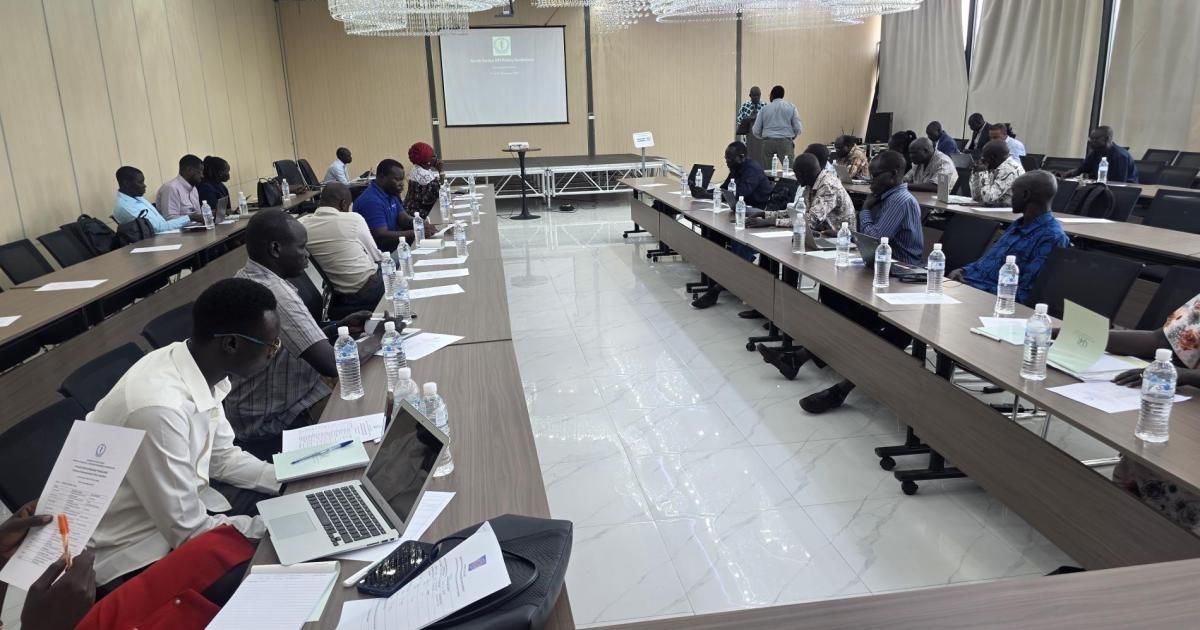
At the 32nd Health Sub-programme Joint Review Mission in Kampala, officials and partners said stronger primary care and more domestic health funding are essential to back Uganda's tenfold growth goal.

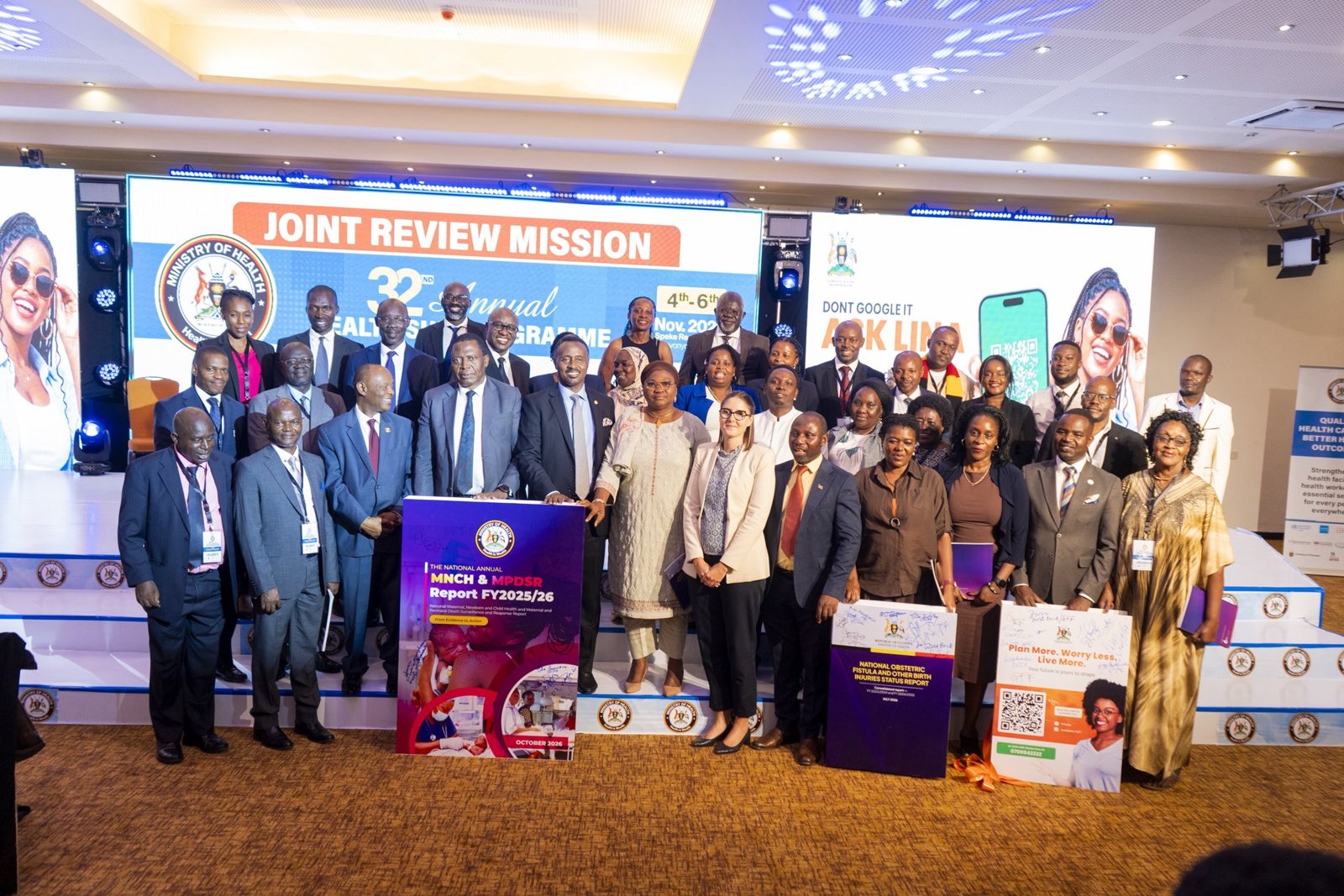
Uganda and development partners told the 32nd Health Sub-programme Joint Review Mission (JRM) in Kampala that a stronger, responsive and sustainably financed health system is essential to back the government's USD 500 billion tenfold growth ambition.
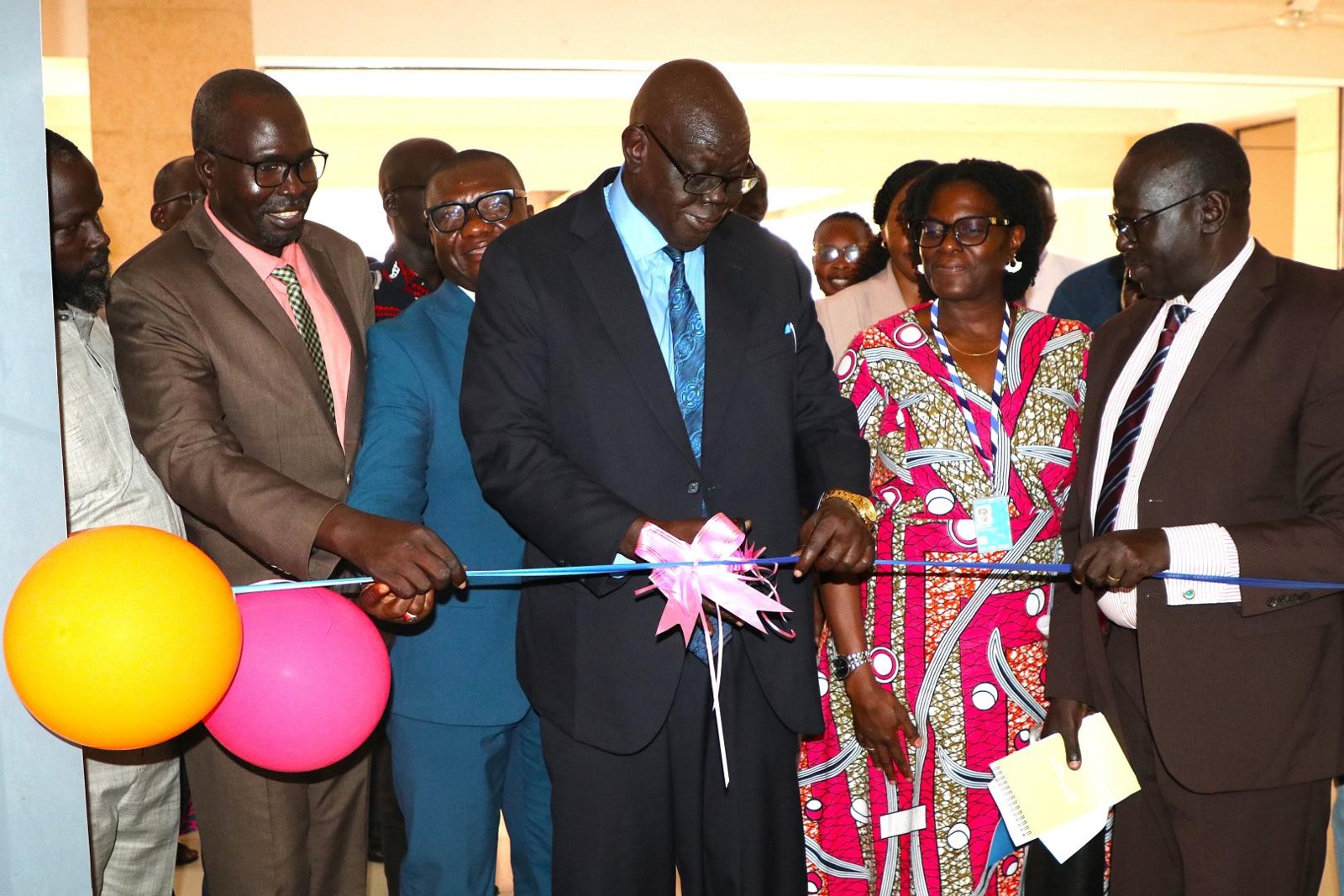
The meeting, held under the theme "A strong, responsive and sustainable health system that contributes to the 10-fold growth strategy", reviewed sector performance, financing, quality of care and service delivery, and launched the Annual Health Sector Performance report for financial year 2025/26. The report was developed with technical support from WHO and partners.
In his opening remarks, Dr Chris Baryomunsi, Uganda's minister of health, said the meeting should both celebrate progress and candidly confront persistent challenges. "Through honest reflection and evidence-based decision-making, we can identify practical solutions that will accelerate our journey towards Universal Health Coverage and national development," he said.
Kira Koch, Team Leader for Health Systems and Services at WHO Uganda, speaking for the WHO Representative, said policymakers must weigh the health and economic costs of under-investing in health. She said a healthy population is more productive and drives national development. WHO identified three priorities from the JRM: strengthening primary health care, investing in preparedness before crises occur, and increasing sustainable domestic financing for health.
WHO noted that Uganda has made major gains over the past three decades, including expanded access to services, better child and maternal survival, higher life expectancy and stronger responses to HIV, tuberculosis and malaria. But the agency warned the sector faces rising non-communicable diseases, population growth, the threat of emerging epidemics, climate-related health risks, workforce shortages and declining global health financing.
Participants pointed to recent public health emergencies, including Ebola and mpox outbreaks, as evidence of why surveillance, laboratory capacity, community engagement and a skilled workforce must be strengthened to protect lives and economic productivity.
The JRM coincided with the Ministry of Health's release of its 2025/26 performance figures. The ministry said the health sector achieved 62.8% of assessed Key Result Areas in 2025/26, up from 51.6% the previous year - the first annual assessment under the Fourth National Development Plan (NDP IV, 2025/26-2029/30).
Speakers at the JRM tied their health priorities to the wider fiscal and investment challenge of the tenfold strategy. The IMF's analysis of the plan sets broad macroeconomic targets: doubling the economy about every five years and sustaining annual GDP growth above 10%, together with large increases in domestic savings, foreign direct investment and tax revenue. The IMF gives example targets such as raising domestic savings from roughly 21% to about 40% of GDP, increasing annual FDI from about USD 3 billion to about USD 50 billion, and lifting the tax-to-GDP ratio from about 13% to at least 25%.
The World Bank has warned that Uganda needs to improve public spending on health to build a more productive population, noting government health spending as a share of public resources fell from 6.5% in FY14/15 to 3.9% in FY20/21. Global data also show that low- and middle-income countries typically rely more on out-of-pocket spending and external assistance than high-income countries, making sustainable domestic financing a pressing concern.
The JRM is expected to generate recommendations in an Aide Memoire to guide future investments and reforms; ministers and partners agreed on a central message: health is an investment in human capital that underpins productivity and long-term economic goals. The meeting set priorities for expanding primary care, improving preparedness and mobilising domestic resources - steps stakeholders say are needed if Uganda is to pursue its tenfold economic ambition while protecting the health of ordinary Ugandans.
Newzroom dot Africa has reached out to Ministry of Health, Uganda for comment and is awaiting a response. This story will be updated when they respond.
Source: WHO Africa