South Sudan's readiness to detect Bundibugyo virus rises to 72.5% after drills and simulation
South Sudan says its readiness to detect and respond to Bundibugyo virus rose from 29% to 72.5% in 2026 after four self-assessments, tabletop exercises, facility drills and a full-scale simulation...

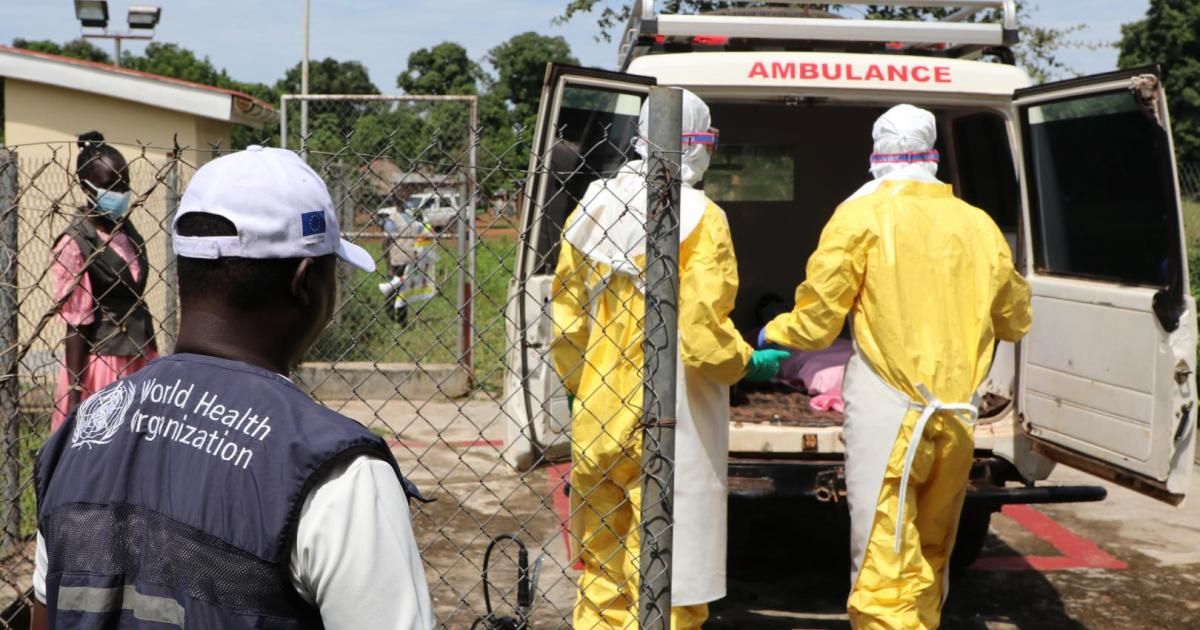
South Sudan has raised its readiness to detect and respond to Bundibugyo virus disease (BVD) to 72.5% after months of tabletop exercises, facility drills and a week-long full-scale simulation in 2026, the WHO African Region said.
The work follows an outbreak declared in the Democratic Republic of the Congo on 15 May 2026, reported in the the WHO situation reports on the Bundibugyo virus outbreak in the Democratic Republic of the Congo. South Sudan shares borders and population movement with affected areas.
The country carried out four successive national readiness self-assessments in 2026 using a WHO tool that reviews core emergency response functions. The assessments showed the national score rose from 29% in May 2026 to 72.5% in October 2026 and helped target improvements in surveillance, screening, isolation and referral.
A sub-national risk assessment identified 15 high-risk counties. Those counties were prioritised because of their proximity to affected areas in the DRC, known population movements, formal and informal border crossings, surveillance gaps and local vulnerabilities.
The WHO African Region said its Preparedness Data Exchange (PDX), which it describes as AI-enabled, supported the analysis by integrating preparedness and risk data to inform early, evidence-based decisions across the region.
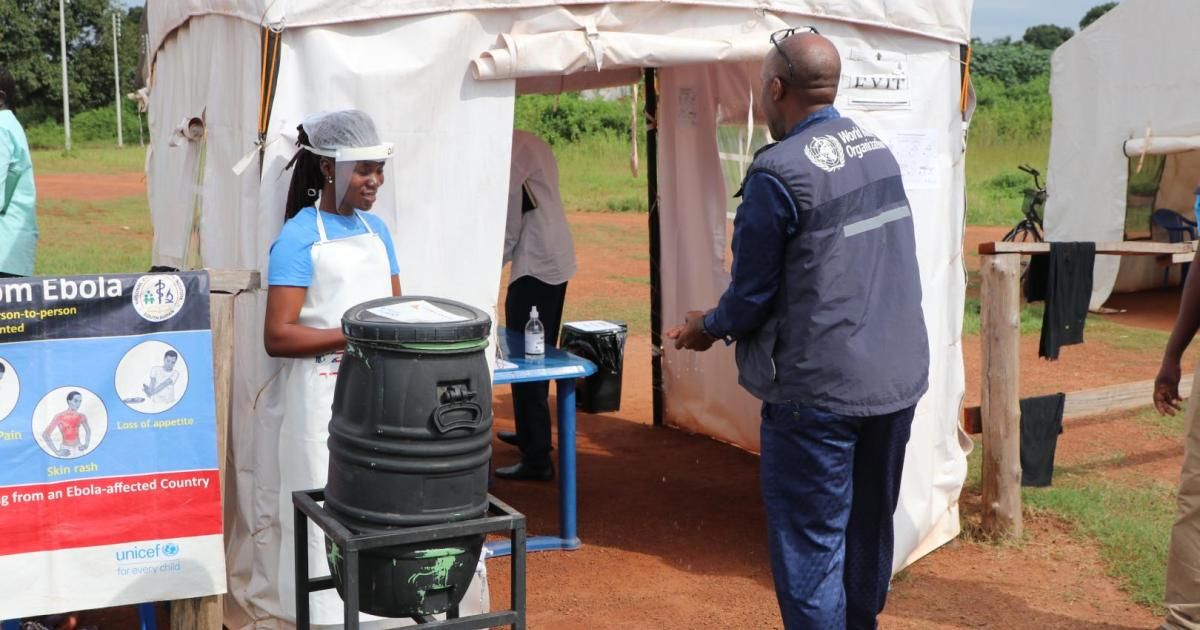
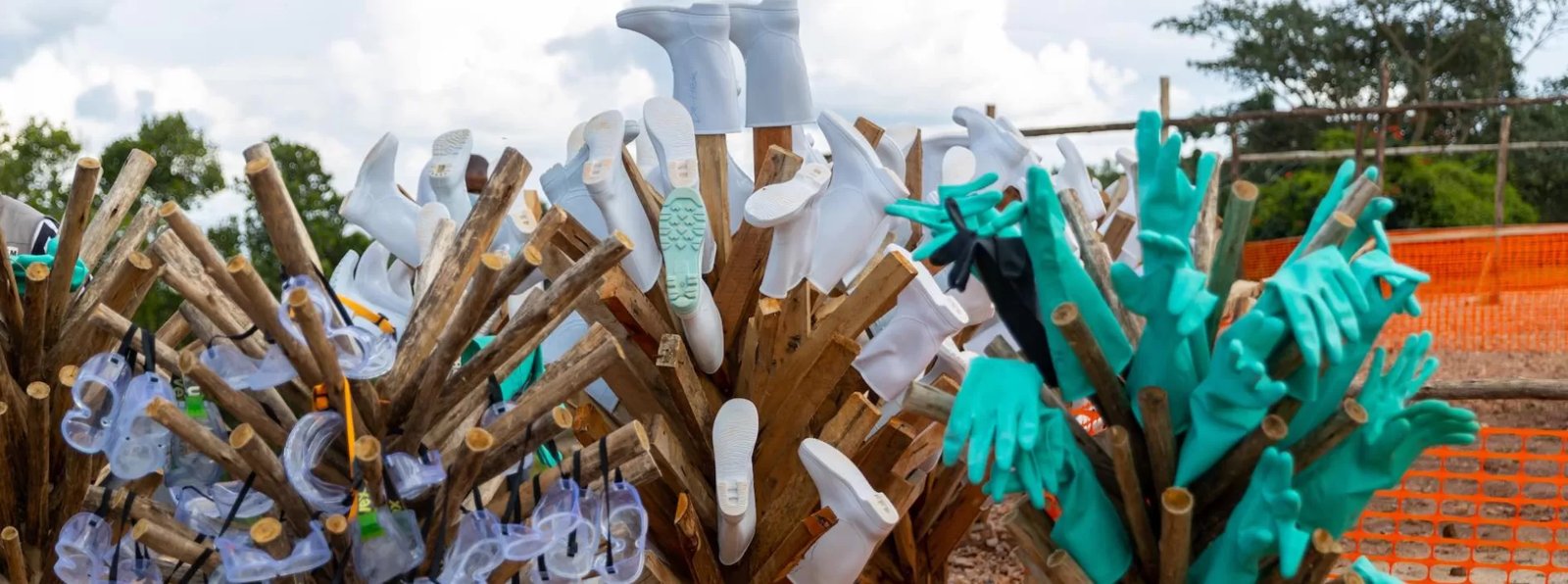
In June 2026 a scenario-based table-top exercise tested the country's preparedness plan with 50 national public health institute workers and support from 20 national and international partner agencies. Between July and September authorities ran drills at newly established isolation facilities and at the National Public Health Laboratories, and carried out a national infection prevention and control drill covering personal protective equipment, chlorine preparation and disinfection.
From 19 to 24 October 2026 South Sudan ran a full-scale simulation with 93 participants from the Ministry of Health, government institutions, the WHO, UN agencies and implementing partners. The week-long exercise assessed the functional status of response areas, hand-offs between them, information-sharing and coordination. The simulation showed detection succeeded at all tested sites, including one of the 26 priority points of entry that link South Sudan with neighbouring countries that have BVD cases.
With support from the WHO, the Ministry of Health activated its Public Health Emergency Operations Centre (PHEOC) to coordinate preparedness activities, assign roles and monitor implementation of the readiness plan. Teams and resources have been deployed to high-risk areas to strengthen coordination, early detection and other response functions, the WHO African Region said.
"The simulation exercise allowed South Sudan to identify strengths and best practices, close gaps and define priorities to improve national capabilities to safely identify and isolate suspected BVD cases, protect the lives and health of our prized health workers and indeed the people of South Sudan," Honourable Dak Duop Bichiok, Caretaker National Minister of Health of South Sudan, said in a WHO African Region statement.
"Systems were activated, with teams and resources deployed to high-risk areas to strengthen coordination, early detection, infection prevention and control, safe and dignified burial, case management and risk communication and community engagement," Dr Ader Macar Aciek, Acting Executive Director, National Public Health Institute in South Sudan, said in a WHO African Region statement. "The recently concluded full scale simulation exercise tested the country's capabilities for Ebola outbreak containment before we are contained by the virus itself."
"Preparedness cannot wait until a case is detected. WHO is working with South Sudan and partners to identify gaps, strengthen response capacities and ensure that teams are ready to act quickly," Dr Moses Ongom, Officer-in-Charge at WHO South Sudan, said in a WHO African Region statement. "With the outbreak ongoing in the Democratic Republic of the Congo, maintaining readiness across the region is essential to detecting cases early and preventing further spread of Ebola."
Bundibugyo virus is one of several viruses that cause Ebola virus disease and can produce severe viral haemorrhagic fever in people.
The jump from 29% to 72.5% reflects that South Sudan has put in place basic systems and tested them: laboratory checks, isolation facilities, trained rapid response teams and coordinated command through the PHEOC. The assessments and drills are intended to turn plans on paper into tested actions at points of entry, clinics and laboratories.
The outbreak in the Democratic Republic of the Congo makes maintaining readiness across the region essential, the WHO said. South Sudan's targeted work in border counties aims to improve screening, referral and community engagement to reduce the chance of undetected importation.
This story is based on a WHO African Region release and the WHO situation reports on the Bundibugyo virus outbreak in the Democratic Republic of the Congo.
Source: WHO Africa