South Sudan steps up border screening after WHO raises risk of Bundibugyo virus entering to 99 percent
WHO estimated in October 2026 that the risk of Bundibugyo virus disease entering South Sudan is 99 percent, up from 67 percent in June.
The World Health Organization has raised the estimated risk that Bundibugyo virus disease (BVD) - caused by Bundibugyo virus (BDBV) - could enter South Sudan from the Democratic Republic of Congo to 99 percent in October 2026, up from 67 percent in June. The WHO Regional Office for Africa sets out the assessment and the country's preparedness measures on its website: WHO Regional Office for Africa: Ebola preparedness in South Sudan. South Sudanese health authorities, with WHO and regional partners, have stepped up screening at border points, isolation preparations and community outreach in counties along the DRC border.
In September a joint assessment in Nabanga, a town on the DRC border, recorded 3 450 people crossing into South Sudan. The recent detection of BVD in Nagero town of Dungu Health Zone in the DRC has brought the outbreak closer to Western Equatoria State, whose borders are busy with traders, families and travellers and include many informal crossing points.
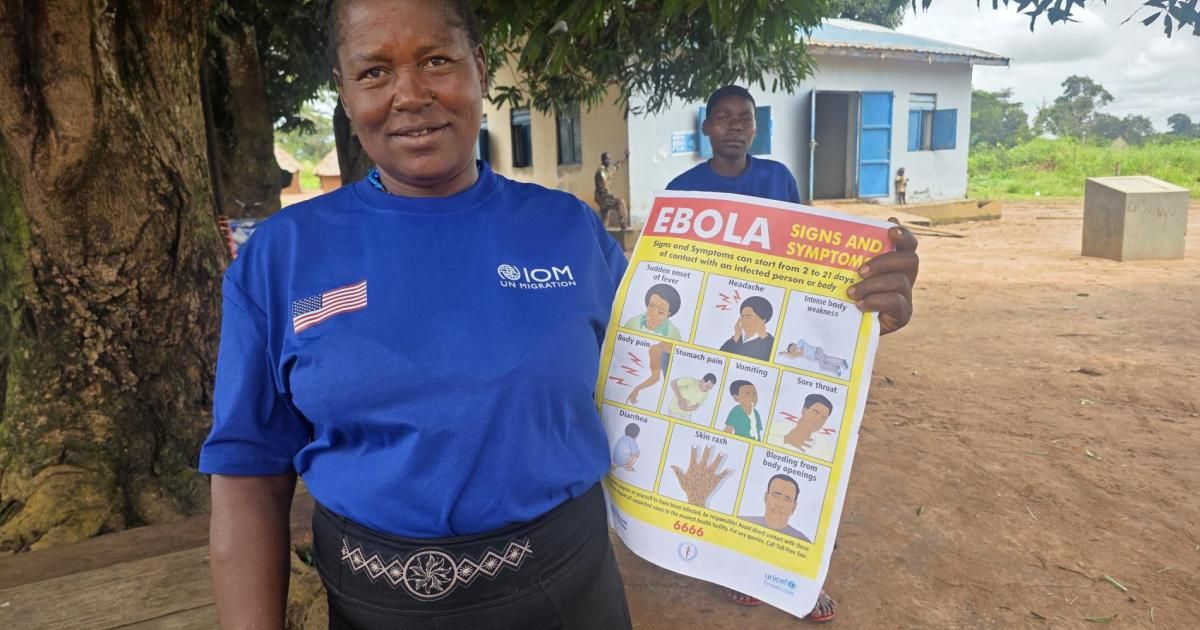
Communities report widespread fear and rumours. "When I see people crossing from the Congo (DRC) that Ebola is killing people and when we see people arriving from there, we get concerned," said Yoane Fermon, a resident of Nabanga. "As one of the community leaders, I understand the concern of our people. At this critical time, they need clear information on Ebola. They need to know how to protect themselves and their loved ones, and to avoid discrimination against people crossing the border," said Alex Samuel, Nabanga community chief.
Frontline health workers describe the practical steps in places seeing arrivals. "When someone arrives with symptoms, we screen them, isolate them in identified holding areas to protect everyone in the facility and arrange their transfer to established Ebola isolation facilities," said Abisia Alfred.
The Ministry of Health and the National Public Health Institute (NPHI), supported by WHO, Africa CDC, UNICEF and other partners, have prioritised 15 counties close to the DRC and Uganda for heightened readiness. Measures include strengthened surveillance and alert management, expanded screening at health facilities and points of entry, laboratory preparedness for safe specimen handling, rapid response teams, infection prevention and control (IPC), and community risk communication and engagement.
Readiness scores show progress but also clear gaps. At the end of October 2026 South Sudan's national readiness level stood at 72.5 percent, and sub-national assessments using WHO tools recorded mean scores rising from 41 percent in June to 56 percent in September 2026. Investments in surveillance led to 76 BVD alerts recorded by 30 October 2026; all alerts were investigated, 33 samples tested negative by real-time PCR (rt-PCR) at the National Public Health Laboratory, and the other samples were discarded.
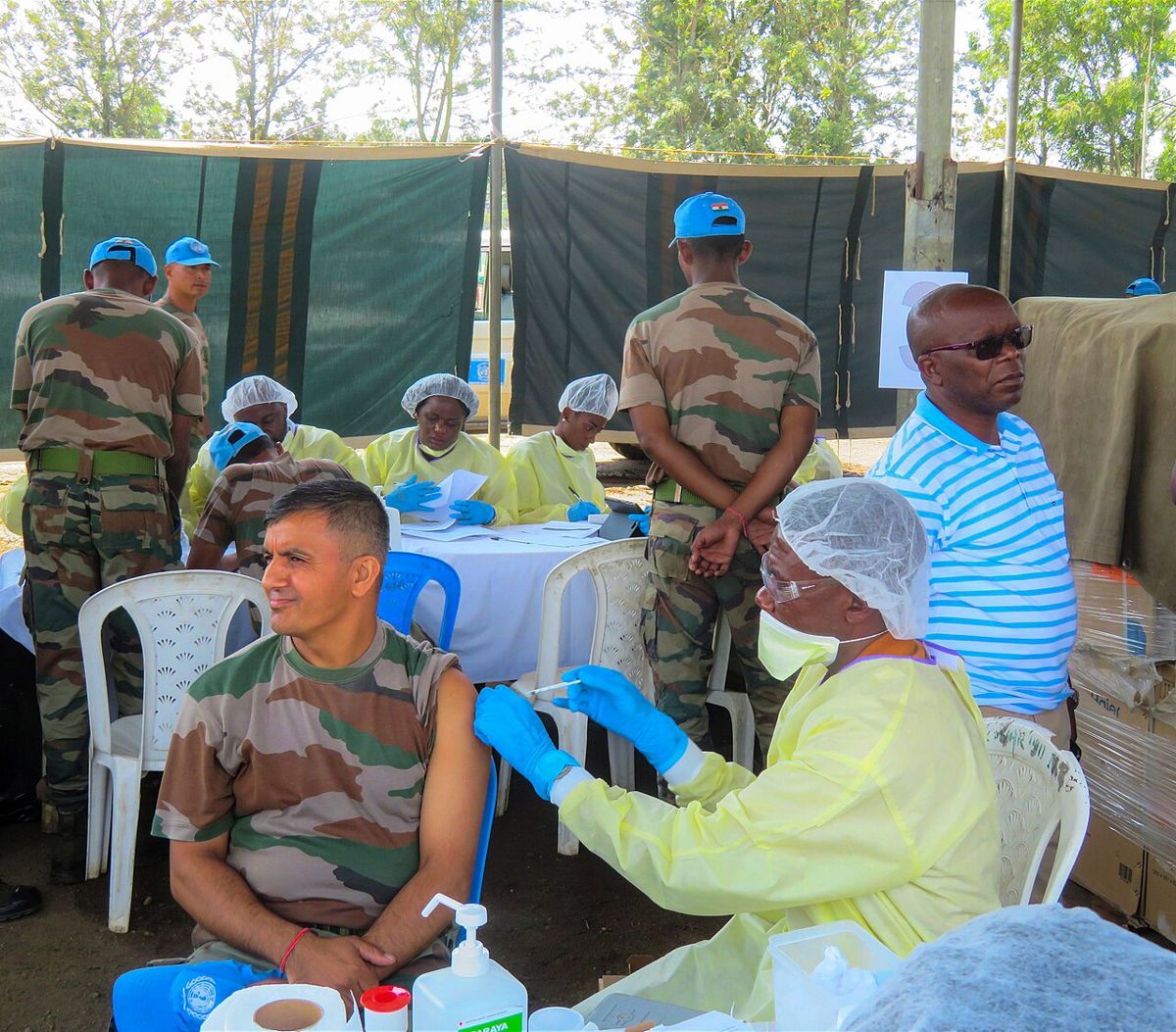
Between May and October 2026, 150 health workers were trained in Ebola case management across the 15 priority counties, and temporary infectious disease units were set up in eight of those counties. A full-scale simulation exercise (SIMEX) conducted from 19 to 24 October in Juba, Yei and Yambio, led by the Ministry of Health and NPHI with support from WHO, Africa CDC and partners, tested detection-to-containment procedures. The exercise showed that South Sudan can detect suspected BVD cases in many places but is not yet able to contain them safely in all tested locations.
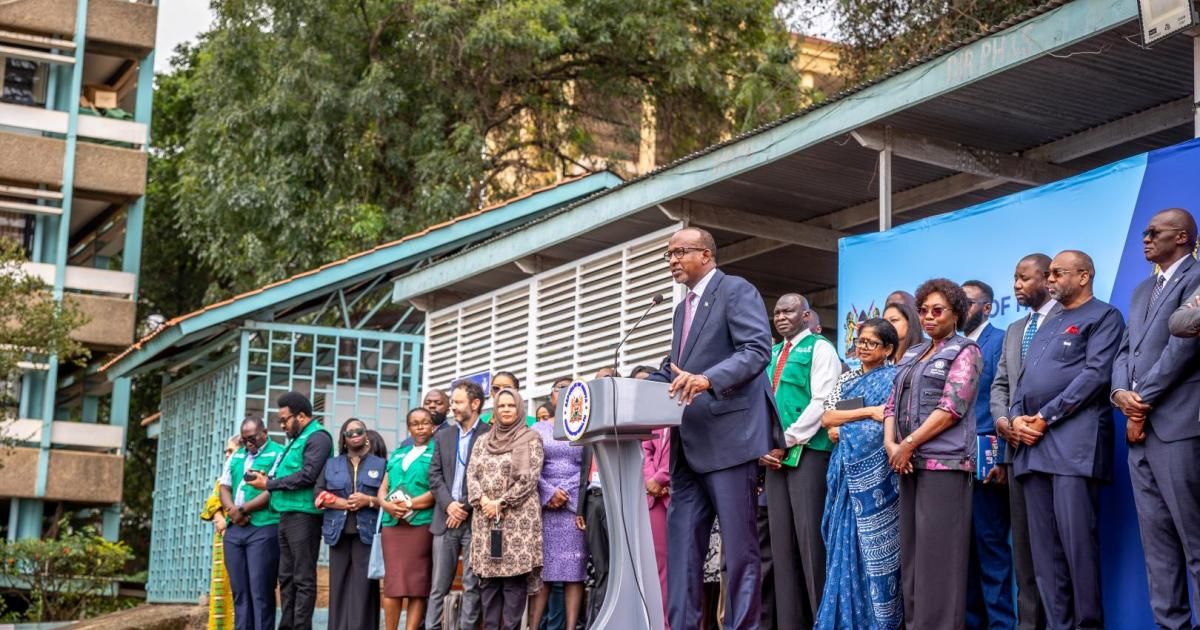
Dr Moses Ongom, WHO Representative for South Sudan, Officer-in-Charge, said the progress in Yambio and Nzara and other high-risk areas shows what coordinated support can achieve. He said remaining gaps between pillars, in infection prevention and control supplies and in safe referral, must be closed so health workers can act quickly if a case is suspected.
"We thank all the frontline health workers who remain our first line of defense in protecting our communities, playing critical roles in identifying and responding to the several suspected BVD alerts," said Dr Ader Macar Achiek, Acting Executive Director, National Public Health Institute.
WHO and South Sudanese officials say further investment is needed to close gaps found in the simulation and readiness assessments, including:
- sub-national alert management protocols and contact management;
- deployment of mobile laboratories and safe specimen packaging and transport;
- steady supplies of personal protective equipment and IPC materials;
- clear patient flow, referral and discharge protocols and safe referral systems;
- sustained screening at points of entry and continued community engagement and risk communication.
Bundibugyo virus (BDBV) is one species of Ebola virus that can cause viral haemorrhagic fever in people; outbreaks of Ebola virus disease in the region have in the past been managed with detection, isolation and coordinated public-health response measures. The current WHO assessment and South Sudan's simulation exercise underline that early detection is working in many places but that containment capacity must be strengthened quickly to match the very high risk of the virus entering the country.
Authorities warn the risk is nationwide even though preparedness efforts are concentrated in border counties.
Newzroom dot Africa has reached out to World Health Organization for comment and is awaiting a response. This story will be updated when they respond.
Source: WHO Africa