Two new Ebola vaccines join clinical trial in DR Congo amid outbreak
Two Ebola vaccine candidates targeting Bundibugyo virus enter clinical trial in DR Congo, expanding efforts against the largest outbreak in the country.
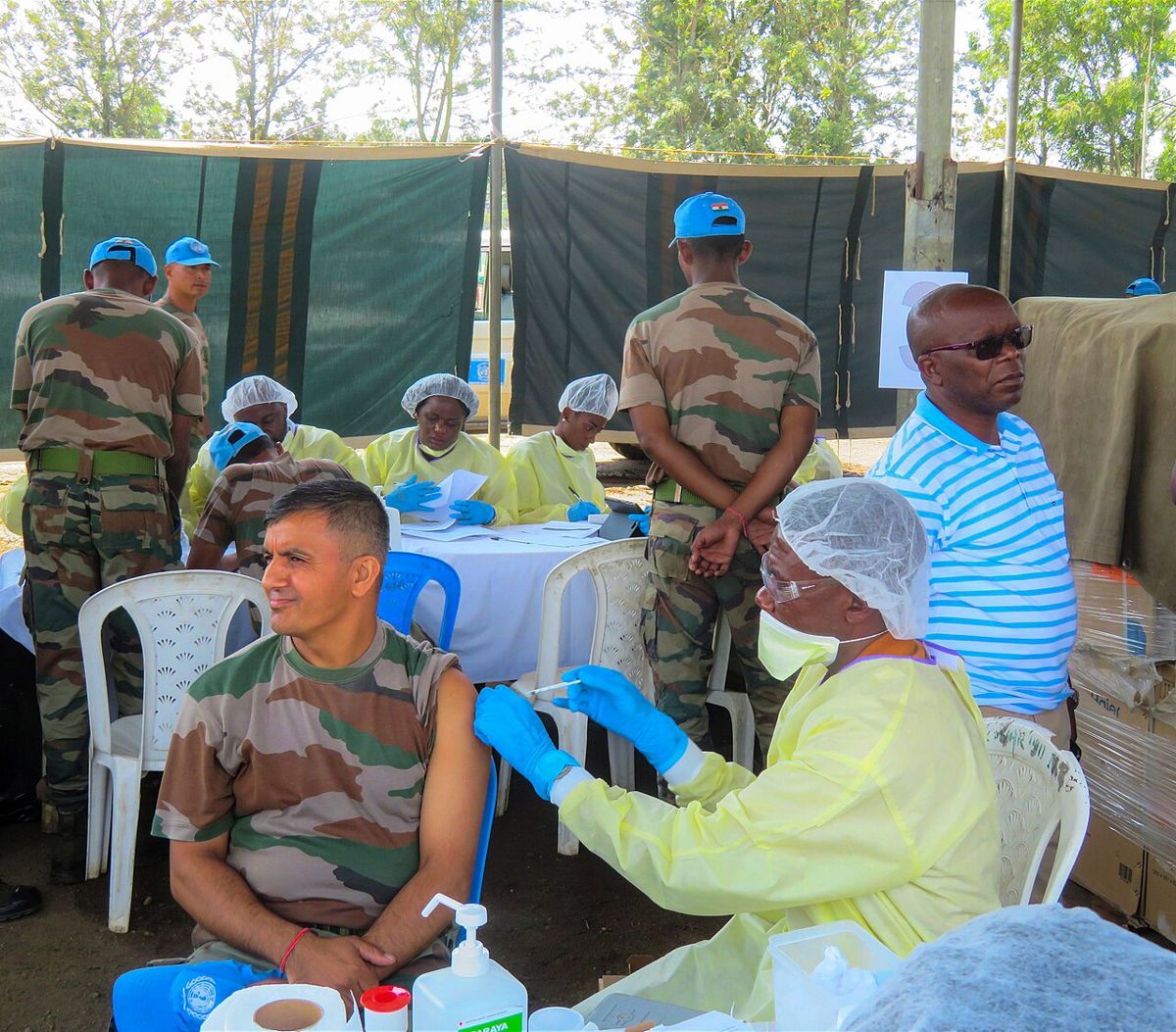
Two new Ebola vaccine candidates have been added to a clinical trial in the Democratic Republic of the Congo (DRC) as the country faces a severe outbreak caused by the Bundibugyo virus species. The World Health Organization (WHO) announced the inclusion following the advice of its independent Technical Advisory Group on Candidate Vaccines Prioritization.
This is the first time vaccines specifically designed for the Bundibugyo virus will be tested during an active outbreak. The two vaccines are ChAdOx1, developed by the University of Oxford and the Serum Institute of India, and mRNA-1469, developed by the US biotech company Moderna.
The trial, called Tumaini (meaning "hope" in Swahili), began on 23 October in Bunia, the capital of Ituri province, the epicentre of the outbreak. It uses a ring-vaccination approach targeting contacts of confirmed Ebola cases.
As of 1 November, the outbreak has recorded over 10,500 confirmed cases and 5,126 deaths, making it the largest Ebola outbreak in the DRC's history. The existing Ervebo vaccine, designed for the Zaire species of Ebola virus, is also being tested for effectiveness against Bundibugyo.
In our view, while the introduction of two new vaccines tested during the Bundibugyo outbreak is promising, we must ask how accessible these vaccines will be to ordinary Congolese amid ongoing challenges like patchy infrastructure and conflict in Ituri province. Scientific progress is welcome, but practical delivery and uptake in affected communities will determine real impact.
WHO Director-General Tedros Adhanom Ghebreyesus said the readiness of these vaccines for clinical trials shows the progress of science and collaboration. He noted that vaccines alone will not end the outbreak but are an important tool in controlling it.
Sources
Source: UN News Africa