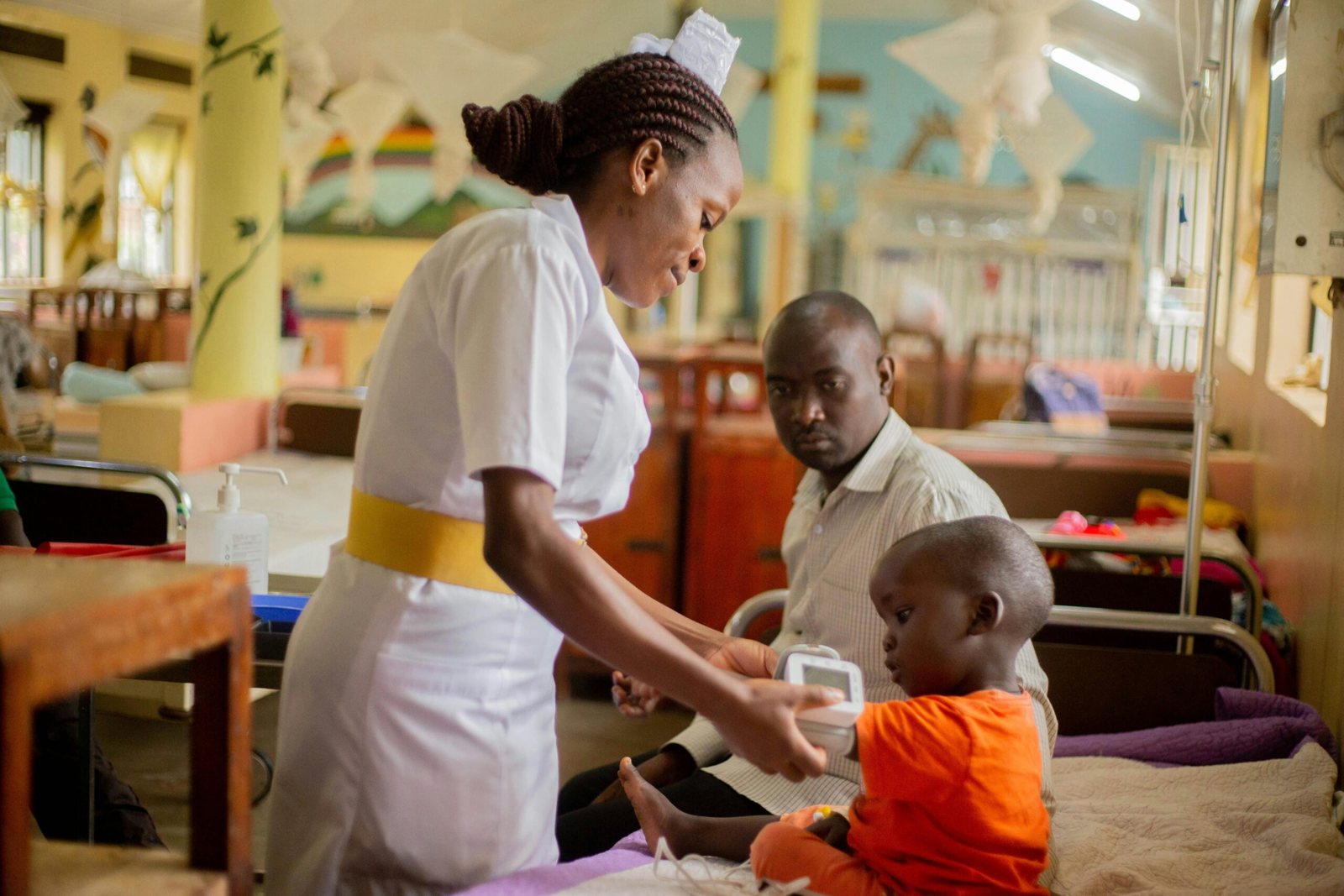
Ghana Expands Free Dialysis Services to Regional Hospitals
Ghana dialysis access is expanding with new centers to help patients with chronic kidney disease throughout the country.

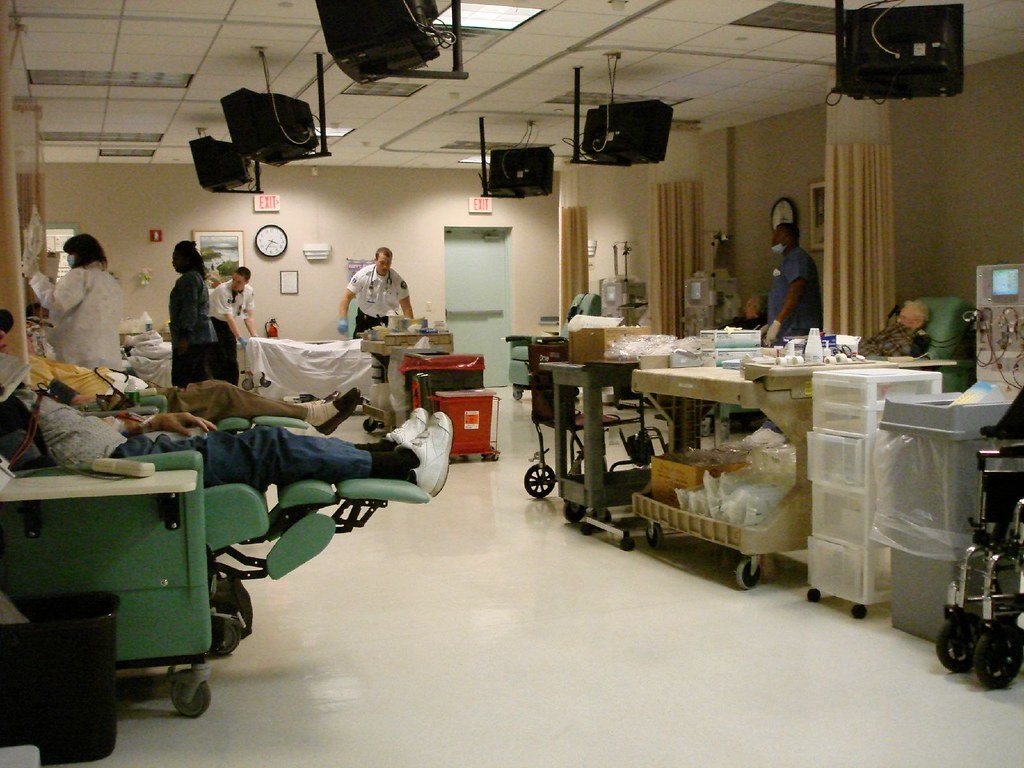
Ghana’s Ministry of Health has announced the expansion of its free dialysis programme to additional regional hospitals. The initiative aims to improve access to treatment for patients with chronic kidney disease. The move extends services beyond major urban centres.
According to an official Ministry of Health press release, new dialysis centres will be established in selected regional hospitals as part of a phased rollout.
The statement outlines that the expansion includes procurement of dialysis machines, medical consumables, and deployment of trained personnel. Eligibility criteria remain unchanged, with patients required to register through designated hospital units.
Funding has been allocated through the national health budget, as detailed in the Ministry’s programme update.
Health officials confirmed that regions were selected based on patient demand and existing infrastructure capacity. The Ministry also indicated that patient outcomes and service utilisation will be monitored throughout implementation.
No changes were announced regarding treatment duration limits per patient, though the Ministry noted that policy reviews remain ongoing.
Access, cost and staffing
The expansion of dialysis services into regional hospitals addresses a structural access gap within the healthcare system. Historically, specialised treatments such as dialysis have been concentrated in major urban centres, creating geographic barriers for patients in outlying regions. By decentralising service provision, the programme reduces the need for long-distance travel, which often imposes additional financial and logistical burdens on patients and their families.
The phased rollout approach indicates a controlled scaling strategy. By prioritising regions based on demand and existing infrastructure, the Ministry is aligning resource allocation with current system capacity. This may help mitigate operational risks, particularly in the early stages of expansion when facilities are adapting to new service requirements. It also allows for incremental evaluation, where adjustments can be made based on utilisation rates and clinical outcomes.
Sustainability remains a central consideration. Dialysis treatment requires continuous inputs, including specialised equipment maintenance, consumables, and trained personnel. Unlike one-time healthcare interventions, dialysis represents an ongoing commitment per patient. As enrolment increases, the cumulative cost to the public health system may rise significantly. The long-term viability of the programme will therefore depend on consistent budgetary support and efficient supply chain management.
Workforce capacity is another relevant factor. Expanding dialysis services requires equipment and skilled healthcare workers capable of operating machines and managing patient care. Training and retaining such personnel across multiple regions may present challenges, particularly if demand grows rapidly. The Ministry’s inclusion of trained staff deployment in the rollout suggests awareness of this requirement, though implementation will determine adequacy.
The decision to maintain existing eligibility criteria provides continuity for current patients but may also limit immediate expansion of access. If demand increases following the rollout, pressure may build to revise eligibility thresholds or treatment duration policies. The Ministry’s indication that policy reviews are ongoing suggests that adjustments remain under consideration, potentially in response to programme performance data.
Monitoring patient outcomes and service utilisation introduces a data-driven element to the programme. This may support evidence-based policy adjustments over time, including decisions on further expansion or resource allocation. Reliable data collection will show whether decentralisation achieves its intended effect of improving access without compromising quality of care.
Original Reporting
Newz.Africa reviewed the Ministry of Health press release and programme documentation. No additional clarification was received from ministry officials before publication.