Armed attacks hinder Ebola response in eastern DR Congo, UN says
UN responders say repeated attacks by armed groups in eastern DR Congo are preventing health teams from tracing contacts and carrying out safe burials during the Bundibugyo Ebola outbreak,...
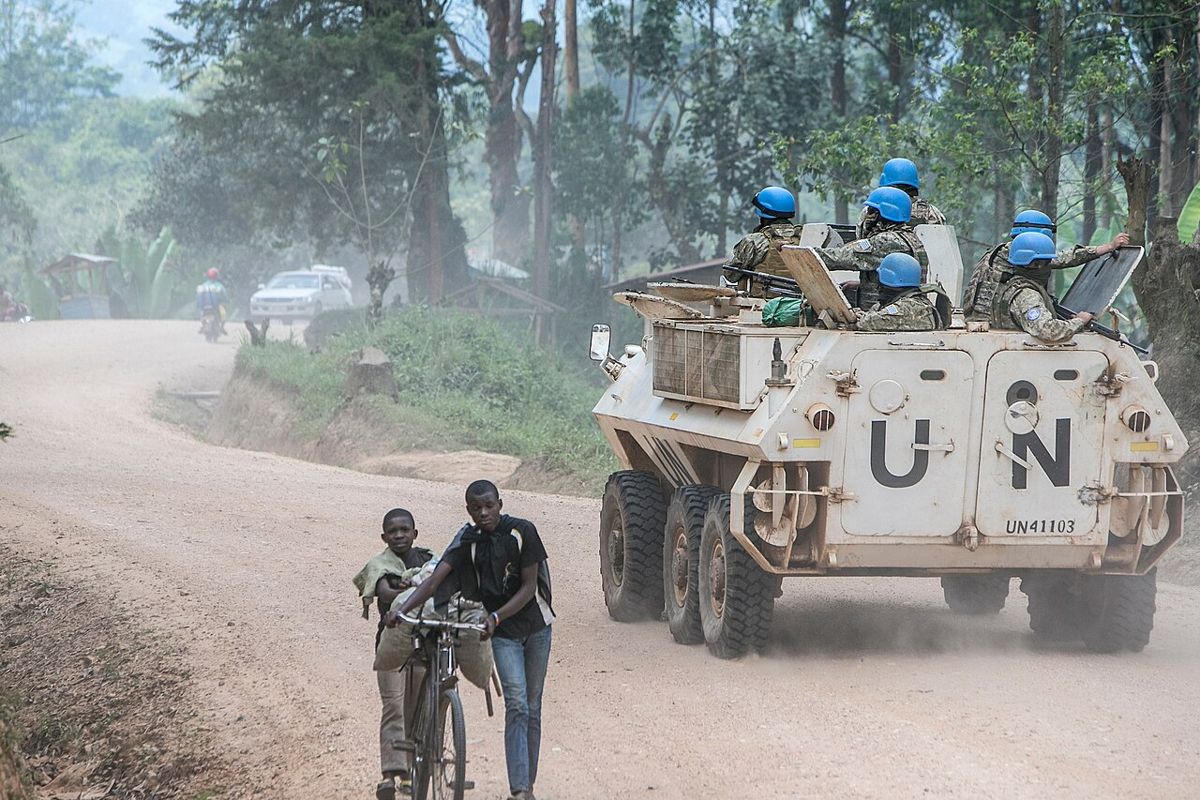
Repeated attacks by armed groups in eastern Democratic Republic of the Congo (DR Congo) are preventing health teams from reaching patients, carrying out contact tracing and conducting safe burials, UN responders said on Friday. The violence is deepening both the disease outbreak and a regional humanitarian crisis.
The World Health Organization says roughly 400 to 500 new cases are still being identified every week, many in rural and hard-to-reach areas.
UN Senior Ebola Response Coordinator Julien Harneis said attacks by Allied Democratic Forces fighters have recently killed more people than Ebola in some places. He warned that violence across tens of villages in south Ituri and North Kivu is making response work such as contact tracing hazardous. He said people were scared and furious at the lack of action, and that following up on contacts in areas where the ADF operates was very hazardous.
WHO officials say the unrest has directly disrupted response activities. Dr Chikwe Ihekweazu, WHO's Executive Director for Health Emergencies, said there have been repeated attacks on healthcare and on people providing care, including health workers killed during burials, and said it is important to keep working with communities and with the groups carrying out the attacks. WHO Director-General Tedros Adhanom Ghebreyesus told reporters that some people in affected communities have described Ebola as a lesser evil compared with other threats they face.
UN and WHO briefings named incidents that have hampered the response: an attack in Cantine-Aloya in North Kivu that killed 66 civilians, including three health workers, and saw three health facilities looted; a nurse killed and another health worker badly injured while responding to an Ebola alert in Tshopo province; an arson attempt on a treatment centre; and stones thrown at a vehicle used for conducting safe and dignified burials. Such violence stops teams from tracing contacts and burying the dead safely.
WHO data show the outbreak has reached dozens of districts across eastern and northeastern DR Congo. The agency reported confirmed cases in 67 health zones across eight provinces, with Ituri and Nord Kivu among the hardest hit. In a recent 21-day period Ituri accounted for 710 new confirmed cases and Nord Kivu for 640. WHO also reports a high crude case fatality ratio - the share of confirmed cases who have died - of 48.7% as of early November.
The Bundibugyo species involved in this outbreak currently has no licensed vaccine or specific treatment, WHO says. Candidate vaccines and treatment trials are under way, and WHO has issued guidance on emergency use of existing licensed Ebola vaccines where appropriate. The lack of licensed countermeasures, combined with the difficulty of reaching patients because of insecurity, helps explain why transmission continues in remote areas.
The outbreak has had cross-border effects. WHO says cases associated with this epidemic have been reported in five countries since May 2026: DR Congo, France, Kenya, Nigeria and Uganda. France and Uganda have since controlled their linked outbreaks, while Kenya and Nigeria continue response activities. The United Kingdom reported the medical evacuation of one confirmed case from DR Congo in November.
The epidemic is compounding a wider humanitarian emergency. UN World Food Programme warned that nearly 29 million people in DR Congo face acute food insecurity, with most of those affected in the conflict- and Ebola-affected eastern and northeastern provinces. UN-backed assessments project 30.3 million people will be in crisis or worse between January and June 2027, with about 4.2 million at emergency levels of hunger concentrated in North Kivu, South Kivu and Ituri.
WFP Director of Food Security and Nutrition Analysis Jean-Martin Bauer told reporters that conflict is driving the hunger crisis in addition to the outbreak. "What we need right now is access, and we need resources to avoid the situation becoming more difficult in the DRC," he said, noting that displacement and market disruption are cutting families off from farms and livelihoods and pushing food prices up.
Health services have been disrupted by direct attacks, looting and closures, limiting routine care and vaccination work and making communities more vulnerable to other diseases, malnutrition and displacement. WHO says prevention work has produced a significant reduction in transmission in some former hotspots such as Bunia, Mongbwalu, Rampara and Nizi in Ituri, but those gains are fragile where insecurity prevents sustained access.
Responders say restoring and protecting humanitarian access to affected communities, securing health workers and facilities, and scaling up resources are immediate priorities to stop the outbreak and to prevent hunger and displacement from worsening across the region.
Newzroom dot Africa has reached out to World Health Organization, World Food Programme and OCHA for comment and is awaiting a response. This story will be updated when they respond.
Source: UN News Africa