South Africa's MeerKAT joins Breakthrough Listen's global search for extraterrestrial signals
MeerKAT will take part in Breakthrough Listen's search for technosignatures, bringing a southern-hemisphere, radio-quiet facility into the programme and raising questions about where data and...
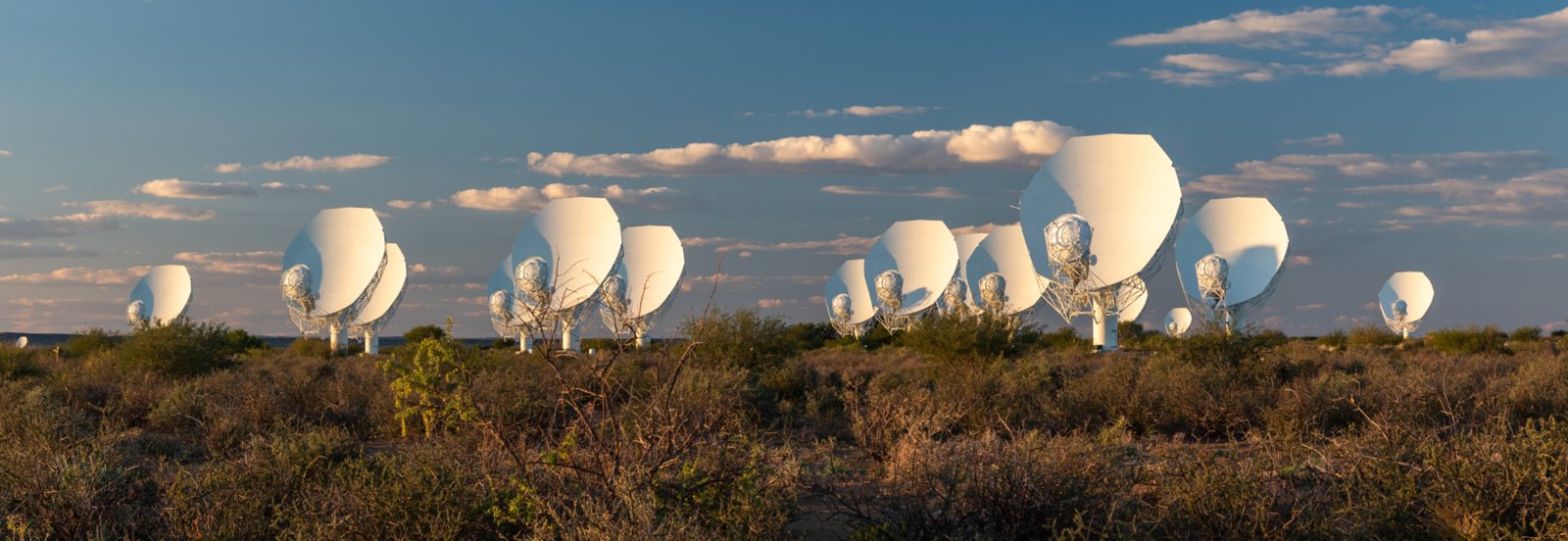
South Africa's MeerKAT will join Breakthrough Listen's global search for extraterrestrial signals and technosignatures, bringing the MeerKAT radio telescope into the programme and adding coverage of the southern sky from a radio-quiet site.
The South African Radio Astronomy Observatory (SARAO) set out the collaboration on its website and linked it to a local event, the SARAO / Breakthrough Listen MeerKAT Grand Tour Data Science Workshop; the SARAO post includes a gallery and outreach material.
Breakthrough Listen, launched in 2016 as part of the Breakthrough Initiatives, is the largest coordinated search for artificial radio and optical signals from space. "Technosignatures" are signs of technology in astronomical data, for example narrow-band radio signals or patterns unlikely to arise naturally, that could point to an artificial origin. Adding MeerKAT brings a sensitive southern-hemisphere facility into that search.
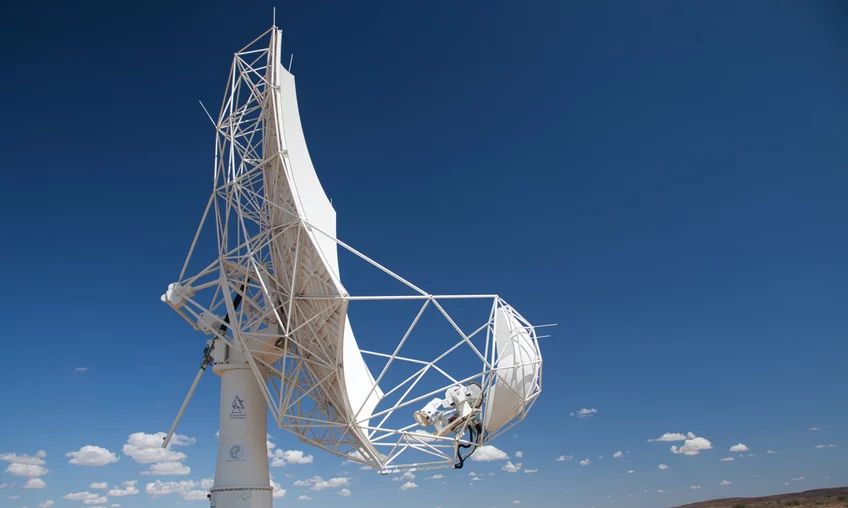
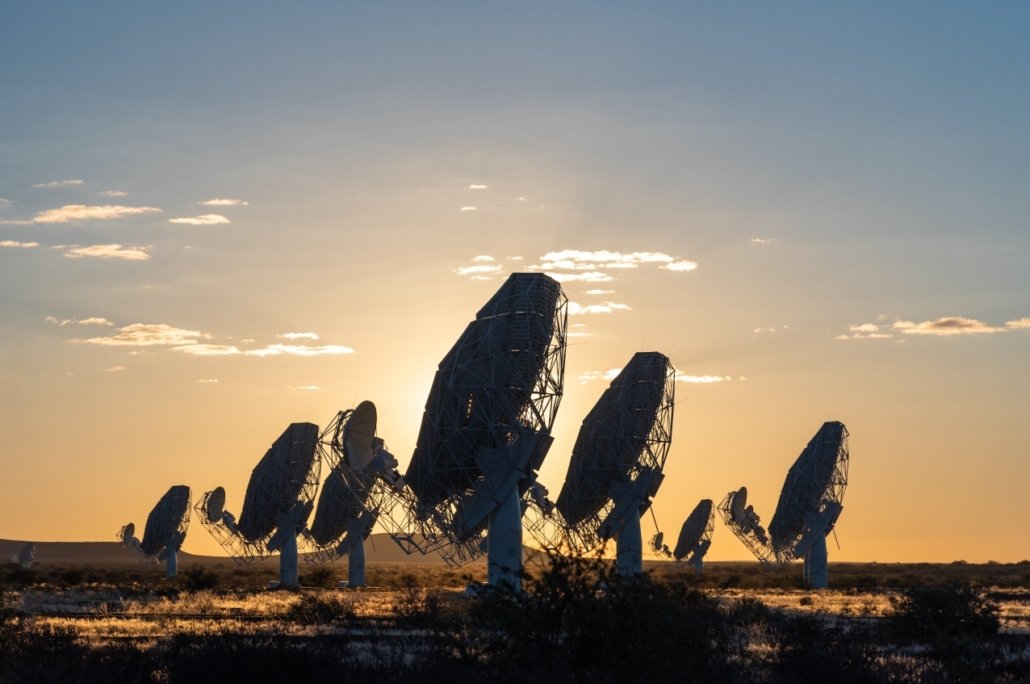
MeerKAT, in the Karoo in South Africa's Northern Cape, has 64 dishes and was designed as a pathfinder for the Square Kilometre Array (SKA). Its location inside a protected radio-quiet zone makes it suitable for searches sensitive to faint radio signals.
This links a flagship African instrument to a major global search, but the benefits for local researchers will depend on how data, pipelines and training are shared, and where the long-term archives and processing capacity are located.
Although the collaboration expands Breakthrough Listen's technical reach, it raises practical questions for researchers in South Africa and across Africa: who will fund and host the data processing and mirrored archives; whether Breakthrough Listen's analysis pipelines and high-performance processing will run inside the country or only overseas; and what dedicated observing time, training and access South African scientists and students will be guaranteed.
SARAO says the National Research Foundation and SARAO lead South Africa's involvement in the SKA on behalf of the Department of Science, Technology and Innovation, and those institutions will handle any local arrangements.
Newzroom dot Africa has reached out to South African Radio Astronomy Observatory for comment and is awaiting a response. This story will be updated when they respond.
Source: SARAO