Nyika-area farmers in Malawi boost harvests and protect soils with no-till farming
Smallholders near Nyika National Park and Vwaza Marsh are keeping crop residues and planting directly to reduce soil disturbance, retain moisture and improve harvests, Peace Parks says; the release...

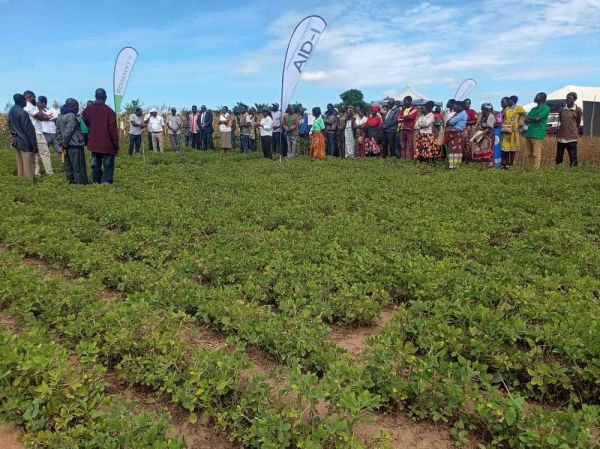
Smallholder farmers around Malawi's Nyika National Park and Vwaza Marsh are switching to little- or no-tillage farming - leaving crop residues on fields and planting directly - to try to make harvests more reliable and keep nutrients and water in the soil.
The UN Food and Agriculture Organization (FAO) describes conservation agriculture as a system built on three principles: minimum soil disturbance, a permanent soil cover and diversification of plant species. For smallholders this usually means keeping stubble and leaves on the ground, sowing cover crops or rotating food crops, and cutting back repeated ploughing that can speed topsoil loss.
Those practices slow topsoil loss, help the ground hold moisture for longer and feed soil life so fields can recover faster after dry spells - a benefit where families depend on seasonal rains and late or short dry spells can wipe out a crop or reduce income.
Peace Parks Foundation (Peace Parks) says lead farmers and agricultural extension officers are demonstrating little- and no-tillage methods across villages near the Nyika-Vwaza area. The programme is taught by extension workers and spread through lead farmers who show neighbours how the methods work on their own land.
Two smallholders quoted by Peace Parks say they have seen benefits. Misheck Mwale, a father of four from Ndelendele and a lead farmer, told Peace Parks: "My legacy, if I am no longer around, is to have people remember that they had a lead farmer who shared the benefits of this farming practice." Lucy Mfune from Makanjira Gondwe Village is also cited as having seen improved harvests on smaller plots, helping her household meet food needs.
Peace Parks says the work is part of broader efforts around Nyika National Park and Vwaza Marsh Wildlife Reserve to improve food security and support sustainable livelihoods. Dines Kabota, Assistant Research Officer at Vwaza Marsh Wildlife Reserve in Malawi's Department of National Parks and Wildlife, told Peace Parks that when families can meet their needs through farming they are less likely to depend on wildlife and other natural resources for food.
If farmers keep more of their harvest and protect their soil, they are less likely to turn to the park or marsh for extra food or income, and healthier soils can make smallholder plots more resilient to variable rains. The lead farmer and extension-worker model used here helps agricultural extension workers reach more households.
Peace Parks' release does not include data on how many households in the Nyika-Vwaza area have adopted little- or no-tillage, whether yields, soil moisture or household incomes have been measured, who would have done those measurements, or the dates when the programme began in each village. Peace Parks thanked The Hunger Project Malawi, Total LandCare, the Synod of Livingstonia Development (SOLDEV), the Nyika Vwaza Association and Community Extension Officers from Malawi's Department of National Parks and Wildlife for their support.
This article draws on Peace Parks' account of work in the Nyika-Vwaza area and the FAO's definition of conservation agriculture. Independent data on the number of households using little- or no-tillage, measured yields, soil moisture and household incomes, and comment from Malawi's Ministry of Agriculture or an independent agronomist, would let readers judge how widely the methods are being used and whether recorded improvements last beyond the examples given.
Source: Peace Parks Foundation