AfDB and ECOWAS launch US$13.2m regional rice project in Abuja to boost West Africa's rice self-sufficiency
The African Development Bank Group and ECOWAS launched REWARD-ECOWAS in Abuja with about US$12m from the AfDB and US$1.2m from ECOWAS to strengthen rice production, processing and trade across the...

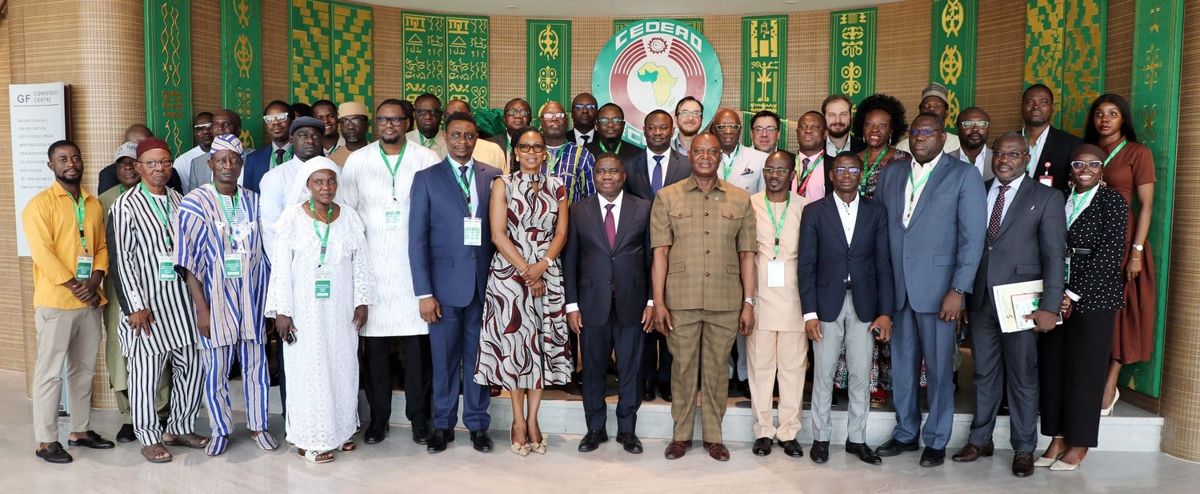
The African Development Bank Group (AfDB) and the Economic Community of West African States (ECOWAS) launched REWARD-ECOWAS in Abuja on 11 and 12 November. This item reports on the Abuja regional-component launch and the inauguration of the Regional Steering Committee, a development that supplements our earlier coverage of the wider REWARD programme at Newzroom dot Africa.
The regional component is financed with a grant of approximately US$12 million from the AfDB and US$1.2 million from the ECOWAS Commission, a combined envelope commonly reported as US$13.2 million for the Abuja initiative. REWARD-ECOWAS is a component of the wider Regional Resilient Rice Value Chains Development Programme (REWARD), launched in 2024 and implemented across all 15 ECOWAS member states.
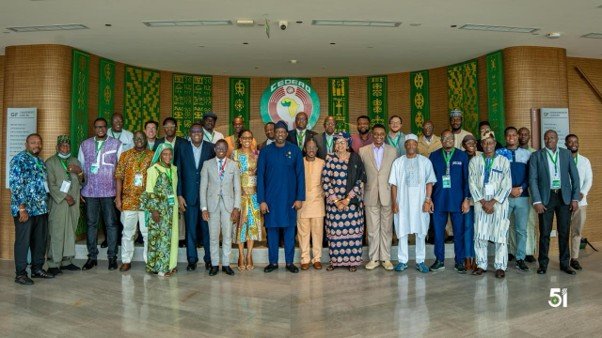
The Abuja launch included the inauguration of a Regional Steering Committee to oversee delivery and align priorities across member states. ECOWAS says the new committee will focus on technical coordination and aligning regional support with national priorities so investments reach farmers, millers and markets.
The AfDB and ECOWAS say the regional component will support seed systems, climate-resilient production, irrigation and mechanisation where needed, plus investments in processing and market links so locally produced paddy can be milled and traded at scale. AfricaRice's project page lists planned regional activities under the REWARD-AfricaRice technical support project: centralised breeder seed production, stronger foundation and certified seed systems, training in seed quality control, promotion of climate-adapted varieties and cross-border knowledge sharing.
Those AfricaRice activities run on a five-year timetable: the REWARD-AfricaRice technical project is scheduled 2024-2029, and the ECOWAS envelope for its regional component is reported as a five-year grant (AfricaRice). The Abuja launch and the 12 November steering-committee meeting focused on immediate priorities and the first steps for coordination; AfricaRice and the AfDB say implementation will be carried out through national project units, research institutions and private partners so the regional funds link to national programmes and partners.
The scale of the problem the programme targets is set out in recent regional studies. The World Bank estimates West Africa sends more than US$3.5 billion abroad each year to buy rice; in 2023 ECOWAS countries produced close to 24 million tonnes while importing almost 10 million tonnes to close the supply gap. AfricaRice and REWARD project documents point to typical yield gaps of about 2.2-2.5 tonnes per hectare, post-harvest losses reported as high as 42%, and climate shocks that have cut yields by an estimated 16-29% over the past 15 years.
The ECOWAS Regional Rice Roadmap (2025-2035) identifies 12 high-potential production basins where concentrated investment can generate scale and measurable market impact, and it estimates expanding production capacity will require between US$15 billion and US$19 billion over the next decade (ECOWAS Roadmap summary at the World Bank).
AfDB materials describe REWARD as assembling an overall investment envelope of approximately US$850 million across participating countries, and AfDB documents say the programme is expected to benefit more than one million farmers, with particular attention to women and young people (AfDB launch materials).
At national level, the programme is being aligned with existing strategies. In Nigeria, for example, the Federal Ministry of Agriculture and Food Security's National Rice Development Strategy II (NRDS II), launched in 2022, is cited in regional material as part of the national framework that REWARD will work through; Nigeria's Competitive African Rice Platform (CARP) is also named as a multi-stakeholder forum represented at the ECOWAS Rice Observatory. AfricaRice says it will operate through national ministries and private-sector partners to deliver locally rooted solutions.
Check the steering committee's implementation plan and the national project units' first procurement and seed-distribution timetables; those documents report whether improved breeder seed, small-scale irrigation pilots and investment in mills reach farmers before the next major planting seasons in priority basins. The AfricaRice technical project runs to 2029 (AfricaRice).
From covering similar regional launches in recent years, I have seen programmes succeed when improved seed reaches fields and working mills before the next harvest.
Source: African Development Bank