ECOWAS and AfDB launch US$850m regional rice programme aiming for self-sufficiency by 2035
ECOWAS, the African Development Bank and AfricaRice have launched REWARD, a US$850m programme to boost rice production, processing and trade across West Africa as the region aims for rice...

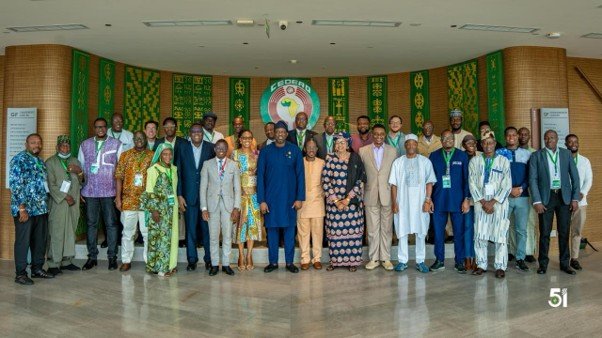
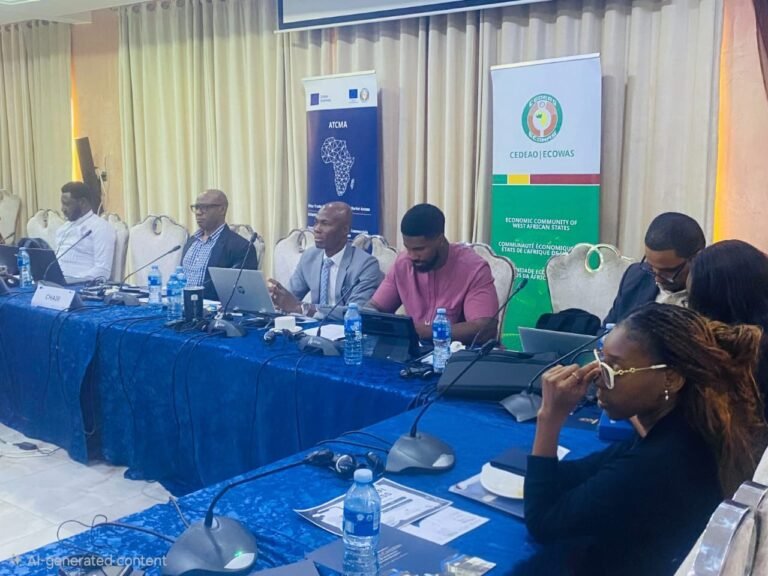
ECOWAS, the African Development Bank Group (AfDB) and the Africa Rice Center (AfricaRice) have launched the Regional Resilient Rice Value Chains Development Programme (REWARD), with a regional investment envelope of about US$850 million aimed at strengthening rice production, processing, trade and climate resilience across West Africa as the region pursues rice self-sufficiency by 2035.
ECOWAS says the REWARD Programme Agreement was signed on 10 March 2025 and that the wider regional rice investment portfolio tied to the programme is about US$25 billion, with US$1.5 billion in firm commitments mobilised at a West Africa Rice Investment Roundtable in Accra. Those figures come from the ECOWAS launch statement.
ECOWAS sets out parts of the US$850 million envelope as US$12 million for the ECOWAS-led regional policy and regulatory reform component (Component 3), a US$1.2 million ECOWAS in-kind contribution, US$8.5 million for AfricaRice-led regional technical support, and US$9.44 million for climate adaptation interventions. ECOWAS also names a programme target of producing roughly 35 million metric tonnes of rice to meet projected 2035 demand.
The AfDB describes a related Bank-funded technical project, REWARD-AfricaRice, worth US$8.5 million and implemented through 2029. The AfDB says REWARD-AfricaRice was launched in Bouake, central Cote d'Ivoire, on 13 February 2026 and will cover 14 countries through 2029; those details and the technical projections below are from the AfDB release.
AfDB projections for the technical support component include yield increases from about 2 to 7 tonnes per hectare and an increase in average annual farmer incomes from US$1,385 to US$1,605. The Bank also projects the creation of up to 78,000 jobs, including about 39,000 jobs for women. Those numbers are reported from AfDB materials.
The two official accounts differ on the participating countries and on the launch detail. ECOWAS lists 15 participating states: Benin, Burkina Faso, Cape Verde, Cote d'Ivoire, Gambia, Ghana, Guinea, Guinea-Bissau, Liberia, Mali, Niger, Nigeria, Senegal, Sierra Leone, and Togo. The AfDB release lists 14 countries: Benin, Burkina Faso, Cape Verde, Cote d'Ivoire, Gambia, Ghana, Guinea, Guinea-Bissau, Liberia, Mali, Niger, Senegal, Sierra Leone, and Togo. The AfDB list omits Nigeria; ECOWAS materials and launch coverage present Nigeria as a participant in the broader REWARD programme.
Public materials also vary on the size and scope of the immediate REWARD envelope. ECOWAS launch statements cited here refer to an approximately US$850 million regional package and connect it to the wider US$25 billion rice investment portfolio needed across the Regional Rice Roadmap 2025-2035. Other ECOWAS and AfDB materials describe a flagship regional investment in that general range and detail AfDB grant packages and co-financing that feed into components of REWARD.
On timing and disbursement, several concrete schedules are given in the institutions' releases. The AfDB says its REWARD-AfricaRice technical support will be implemented through 2029. ECOWAS places the programme inside the Regional Rice Roadmap timeframe of 2025-2035 and says it will lead the policy and regulatory reform component. Beyond those component-level timetables, the partners have not published a single, detailed disbursement schedule for the whole US$850 million envelope in the materials cited here: public statements instead show how specific grants and technical packages feed components and refer to phased roll-out across countries and production zones over the 2025-2035 roadmap period.
West Africa currently produces far less rice than it consumes, leaving the region exposed to imports and price shocks. Other regional reporting has put local production at about 60 percent of needs in recent years. ECOWAS says the region will need roughly 35 million tonnes a year by 2035 to meet projected consumption if it is to reach full self-sufficiency.
Those production numbers show the scale of the challenge. ECOWAS and AfDB documents say REWARD aims to raise yields, expand processing and storage capacity, improve market efficiency and strengthen regional trade. The AfDB's projection that yields could rise from about 2 to 7 tonnes per hectare under the technical support work points to what is possible with improved seed systems, mechanisation and climate-smart practices; AfricaRice and ECOWAS stress that achieving those yield gains also requires better access to inputs, irrigation, finance and post-harvest handling. (For an example of small-scale irrigation and pumps used by West African smallholders, see our earlier coverage of small irrigation pumps here here.)
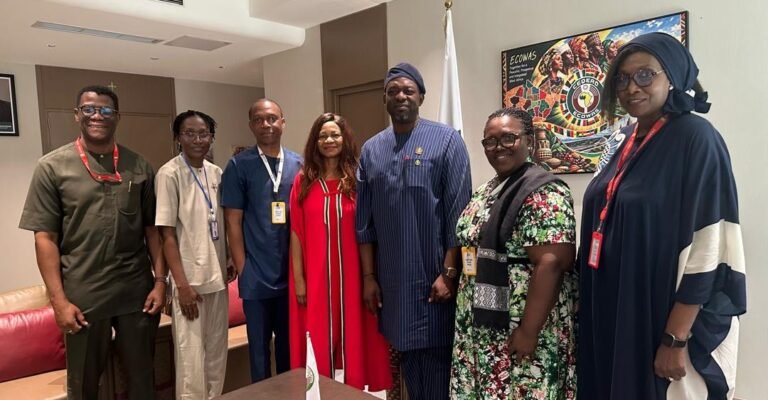
Representatives from the implementing institutions described the programme's aims and the practical obstacles. ECOWAS Commissioner for Economic Affairs and Agriculture Dehpue Yenpea Zuo said food sovereignty requires decisive action to strengthen local production and regional value chains. AfDB Acting Vice-President Dr Abdul Kamara emphasised that the programme's success will be measured by what partners deliver after the launch. AfricaRice Director General Dr Baboucarr Manneh highlighted the role of scientific research and innovation in tackling inadequate access to improved seeds, climate variability and post-harvest losses.
The AfDB's numbers give a practical sense of impact at farm level: the Bank projects average annual farmer incomes could rise under the programme's technical interventions, and that tens of thousands of jobs could be created, with significant benefits for women. Farmers and processors will look for higher incomes, more local jobs, better access to inputs and machinery, and increased milling and storage capacity when investments reach production zones and rice mills.
From my reporting on similar regional programmes, I have found that turning financial commitments and institutional partnerships into tangible results on the ground is the hard part for farmers, processors and local markets. I will follow whether financing is phased to match production seasons, whether seed and mechanisation support reaches smallholders, and whether more milling and storage capacity is built close to producing areas so locally grown rice can compete on price and quality with imports.
REWARD is organised around four components: (1) sustainable and climate-resilient rice production systems; (2) promotion of competitive local rice processing and marketing; (3) policy and regulatory reforms and regional harmonisation, led by ECOWAS; and (4) programme coordination and management. ECOWAS is named lead for Component 3 and for overall coordination through the Regional Steering Committee and the Regional Technical Coordination Committee. AfricaRice is identified as the co-implementing partner providing regional technical support under Components 1 and 2, and the AfDB provides financing including the US$8.5 million technical support package implemented by AfricaRice.
Primary sources: ECOWAS launch statement (ECOWAS), AfDB press release (AfDB) and AfricaRice projects page (AfricaRice).
Newzroom dot Africa has reached out to AfricaRice for comment and is awaiting a response. This story will be updated when they respond.
Source: ECOWAS Commission