ECOWAS launches regional programme at COP31 to boost women's leadership and green jobs in West Africa
At COP31, ECOWAS with UN Women and support from the African Development Bank launched a regional initiative to expand women's participation in climate action, improve access to climate finance and...
14 November 2026
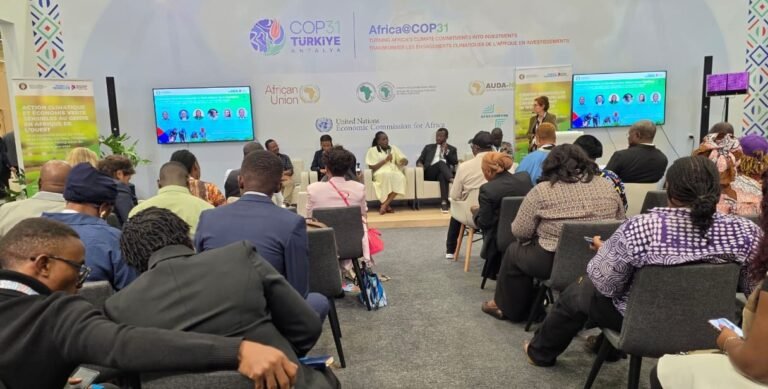
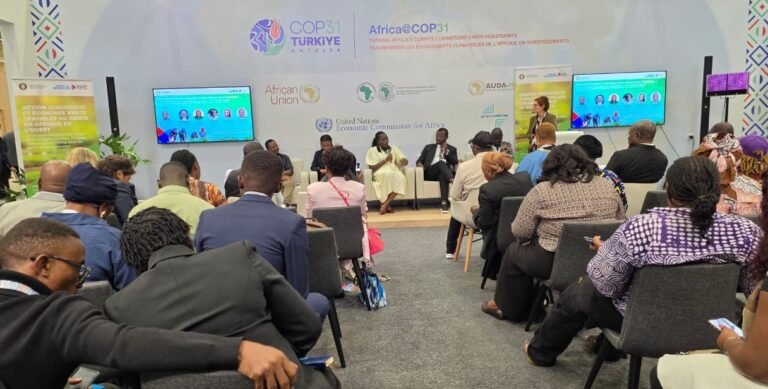
Participants at the ECOWAS, UN Women and African Development Bank side event 'Advancing Women's Leadership in West Africa', African Union Pavilion, Antalya, Turkey, 14 November 2026. Image alt text: Participants at the ECOWAS, UN Women and African Development Bank side event 'Advancing Women's Leadership in West Africa', African Union Pavilion, Antalya, Turkey, 14 November 2026.
The Economic Community of West African States (ECOWAS) launched a regional programme at COP31 on 14 November 2026 to strengthen women's leadership, access to climate finance and green jobs across West Africa. The event took place in Antalya, Turkey, at the African Union pavilion and was organised by the ECOWAS Centre for Gender Development (EGDC) in partnership with UN Women, with support from the African Development Bank (AfDB).
The initiative, titled the ECOWAS Regional Programme for Gender-Responsive Climate Action and a Green Economy in West Africa, aims to increase women's participation and leadership in climate and green-economy sectors by improving access to climate finance, markets, technologies, green jobs and sustainable entrepreneurship, and by strengthening women's role in decision-making processes.
Opening the session on behalf of ECOWAS Commissioner Arifari Nassirou Bako, Sandra Oulate Fattoh, Director of the ECOWAS Centre for Gender Development (EGDC), reaffirmed ECOWAS's commitment to inclusive climate action. She said women in West Africa are leaders, innovators and strategic partners in building a resilient and sustainable future for the region.
Sarah Hendriks, Director of the Policy, Programme and Intergovernmental Division at UN Women, described the partnership with ECOWAS and the AfDB as important to an inclusive green transition. She said women are on the frontlines of climate impacts and are central to the solutions.
The programme was officially launched by Aliou Gory Diouf, Senegal's minister of environment and chair of the ECOWAS Council of Environment Ministers. He said the initiative will expand support for women's leadership and improve their access to resources, technologies and climate finance to strengthen community resilience and regional prosperity.
An EGDC page on the centre's website says the EGDC held an institutional retreat in Saly, Senegal, from 9 to 11 September 2026 that focused on the centre's 2027-2029 three-year budget and on building staff capacity under the medium-term expenditure framework. (EGDC's published work)
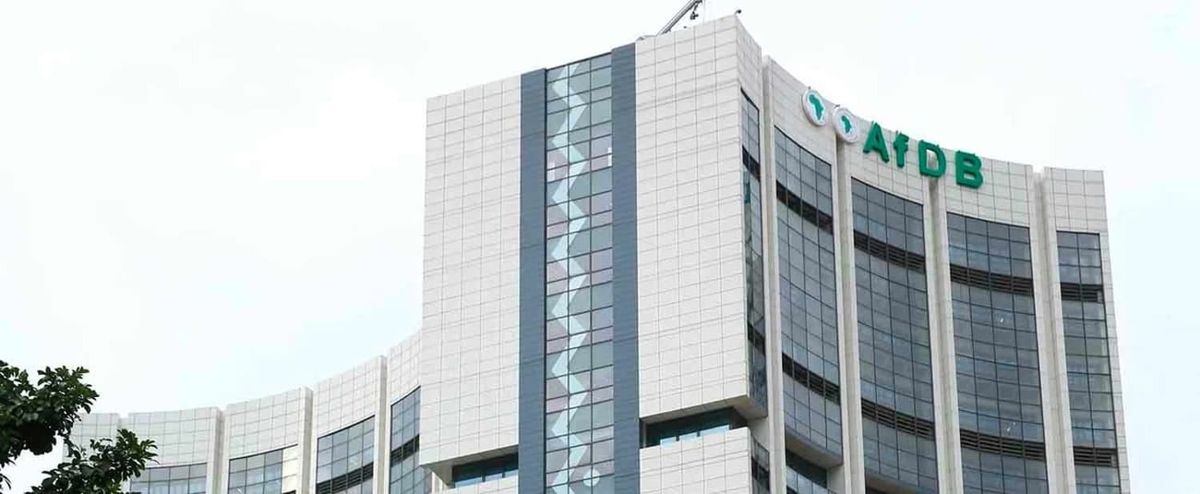
ECOWAS's launch materials say the AfDB provided support to the programme and that an AfDB official took part on the high-level panel. The ECOWAS announcements and related webpages do not specify a total budget for the programme, whether the bank's contribution is a grant, loan or technical assistance, how funds will be disbursed, or the safeguards and reporting arrangements that will govern spending.
EGDC's published work shows the centre's role is technical and operational: it leads policy, capacity building, training and the collection of sex-disaggregated data across member states. The regional programme is framed to use those functions - training, data and coordination - to expand women's access to green jobs, finance and markets, and to support member states as they translate regional priorities into national policies and programmes.
ECOWAS says the initiative will contribute to building greener, more resilient and inclusive economies across West Africa by recognising and expanding women's roles in the green transition.
Newzroom dot Africa has reached out to ECOWAS Centre for Gender Development for comment and is awaiting a response. This story will be updated when they respond.
Source: ECOWAS Commission