African health ministries push to write health into COP31 text as adaptation finance falls short
At COP31 in Antalya, African health ministries urged negotiators to put health in the conference text and to fund Health National Adaptation Plans so clinics can withstand the next climate shock.
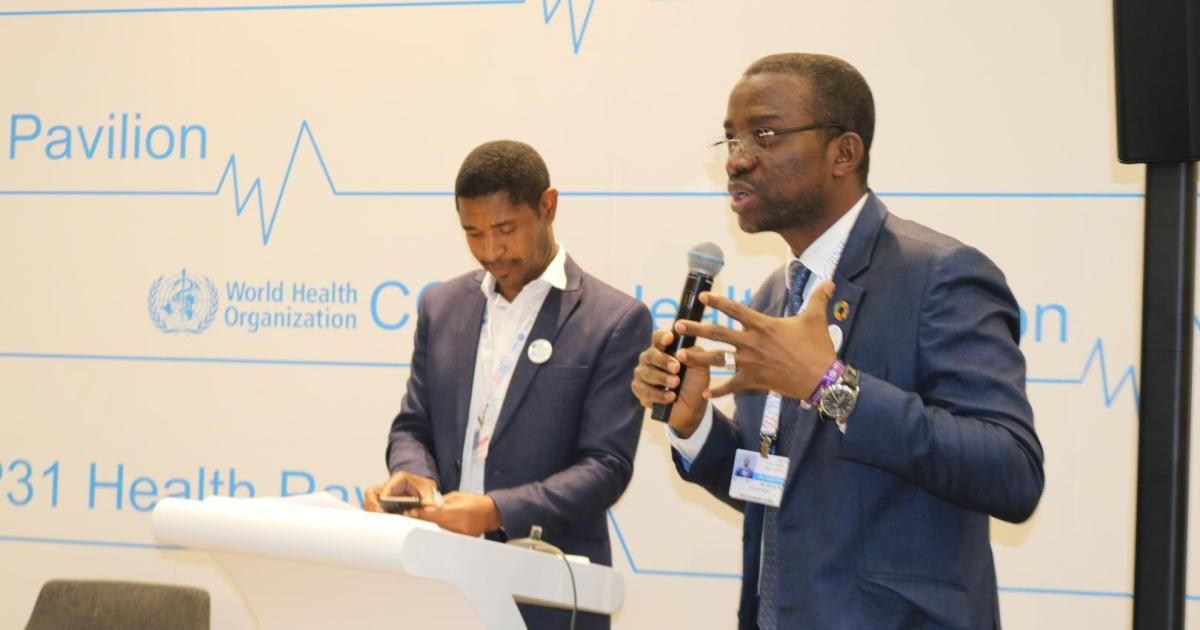
African health ministries, backed by the WHO Regional Office for Africa, Africa CDC and Amref Health Africa, have pushed negotiators at COP31 to write health into the formal talks and to secure funding so clinics and services can withstand the next climate shock.
The WHO Regional Office for Africa said that between 2001 and 2021, 56% of public health events recorded in the WHO African Region were climate related. The WHO said health receives roughly 2% of adaptation funding and about 0.5% of multilateral climate finance, a gap negotiators said leaves clinics and communities exposed when floods, droughts or disease outbreaks arrive.
The call builds on the Global Goal on Adaptation (GGA), which for the first time gives countries a shared set of health indicators to report. Those indicators include measures such as the number of destroyed or damaged health facilities, changes in the incidence of climate-sensitive infectious diseases, the percentage of health facilities built or retrofitted to be climate-resilient, the operational level of climate-informed health early warning systems, and training of health workers in climate and health.
Negotiators said the challenge is measuring risk and turning those measurements into budgets and services on the ground. Countries at national dialogues in October and November, including Cabo Verde, Cote d'Ivoire, Ghana, Kenya and Zambia, joined health, environment and weather services so each negotiating position would carry a health voice. Ghana has completed a Health National Adaptation Plan costed at GHS 110.4 million, and Cote d'Ivoire has set a target that 60% of health facilities built or rehabilitated meet climate-resilient standards by 2035.
The push included the practical lesson from Zambia, where drought and cholera struck together in 2023 and 2024. Health workers reported that water ran short, malnutrition rose and outbreaks spread as services faltered. Zambia's Minister of Health, Honourable Roma Chilengi, told a Lusaka dialogue that the impact of extreme climate on health "needs no further debate" and that there is a direct relationship between climate and health.
Zambia's Minister of Green Economy and Environment, Honourable Gilbert Siame, told negotiators that health should be part of the formal negotiating language at COP rather than only presented through side events. Dr Jeremiah Mushosho, team lead for climate change and health at the WHO Regional Office for Africa, said adaptation must be judged by what it protects - lives saved and clinics that stay open during disasters.
The African position was presented to negotiators on 11 November in a tripartite briefing by the WHO Regional Office for Africa, Africa CDC and Amref Health Africa, in partnership with the African Group of Negotiators (AGN). The WHO said every country named a health focal point to its COP31 delegation, and delegations will hold feedback meetings to prepare for COP32 in Addis Ababa in 2027.
Recognition in Antalya has limits. Health Policy Watch reported that the first draft of COP31's main decision includes a standalone paragraph recognising the accelerating risks of climate change to human health and underlining the need to strengthen health-system resilience - language that notes the problem but makes no funding commitments. The draft treats health largely as acknowledgement rather than a source of binding finance or reporting obligations.
African negotiators and health leaders called for funding and operational support as well as recognition. Their core asks at COP31 were practical: support to report on the GGA health indicators, grant-based finance that health ministries can access when they cost and prepare national plans, and that health losses be counted in the costs of climate disasters so recovery funding reflects damage to services and lives. Without that finance, indicators risk remaining reporting exercises rather than tools that change what happens in clinics and communities when the next climate shock hits.
The WHO has called on the COP31 Presidency and Parties to reflect health in the conference outcomes, including the cover decision, to create a platform for dialogue on health and to help finance the health adaptation plans African countries have already prepared.
Read the WHO Regional Office for Africa summary and the Health Policy Watch report.
WHO Regional Office for Africa: Africa's health sector brings its voice to COP31
Health Policy Watch: Health wins key mention in draft COP31 decision document
Source: WHO Africa