African Development Fund approves $26m to restore health services for 3.1m in conflict-hit Sudan
The African Development Fund has approved a $26 million grant to rehabilitate 20 community health centres and restore services for an estimated 3.1 million people across five Sudanese states.
The African Development Fund (ADF) Board has approved a $26 million grant to restore basic health services and strengthen community resilience for an estimated 3.1 million people in conflict-affected parts of Sudan.
The financing, approved on 30 October and announced by the African Development Bank on 16 November, will fund the "Increased Coverage of Basic Health Services and Infrastructure for Internally Displaced Persons and Host Communities Project" (BHSIP-IDPs). The grant will rehabilitate and equip 20 community health centres across 11 localities in Khartoum, White Nile, Blue Nile, River Nile and Northern states.
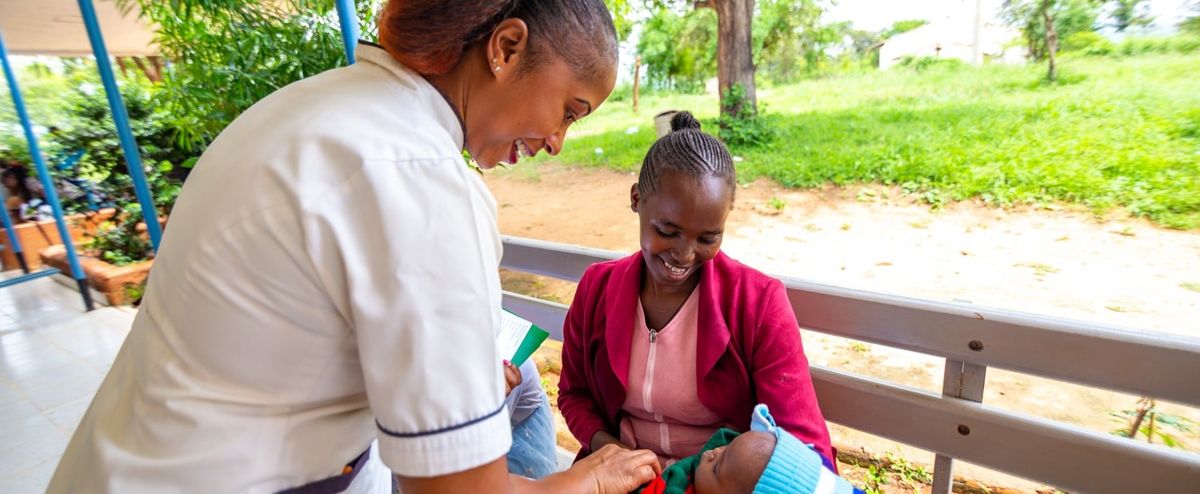
The project will convert the 20 centres into functioning health facilities offering maternal and child health care, nutrition services, disease treatment and emergency care. Facilities will receive improved medical equipment, reliable solar power and better water and sanitation. Solar-powered vehicles will be used for patient referrals and community outreach.
Nearly half of the targeted centres will offer expanded reproductive health services and support for survivors of gender-based violence. The project will also set up six mobile mental health support teams and train healthcare workers, midwives and community volunteers. It includes vocational training, small business support and agricultural recovery activities to help restore livelihoods for displaced and host communities.
Alex Mubiru, Director General of the Bank's East Africa Regional Office, said: "This project is about more than rehabilitated buildings. The design combines infrastructure with community engagement and conflict-sensitive governance because, particularly in a fragile setting, sustainable outcomes require functioning local systems as well as functioning facilities."
The project estimates 620,000 direct beneficiaries and 2.48 million indirect beneficiaries, bringing the total to 3.1 million people. The Bank Group's $26 million is part of a total project cost of $30.06 million, which includes $4 million from the Pandemic Fund; the African Development Bank is an approved implementing entity for that Fund. The United Nations Development Programme will implement the project in coordination with other UN agencies and national health authorities.
The funding comes amid a deepening health and humanitarian crisis. The UN and the WHO estimate the number needing humanitarian assistance at about 33.7 million to 34 million in 2026. The WHO says about 21 million people lack access to health services; the WHO also says that 37% of health facilities across Sudan remain non-functional and has verified hundreds of attacks on health care since April 2023, which have killed and injured health workers and patients and damaged hospitals and ambulances.
Those gaps in the wider context mean many patients still face long, dangerous journeys to reach functioning care. The project aims to combine infrastructure work with community engagement and governance measures that take local conflict dynamics into account. Mobile teams and referral vehicles are intended to extend services to remote and displaced populations.
UNDP will lead implementation, while the African Development Bank will provide financing, implementation support and monitoring as part of the Bank Group's broader investments in Sudan's health and social infrastructure.
Newzroom dot Africa has reached out to African Development Bank and United Nations Development Programme for comment and is awaiting a response. This story will be updated when they respond.
Source: African Development Bank