UCT research finds nature-based solutions often miss informal settlements and force trade-offs for residents
Researchers at the University of Cape Town say wetlands, community gardens and drainage projects described as co-designed often sideline residents' priorities and leave people in informal...
New research from the University of Cape Town's African Climate and Development Initiative (ACDI) warns that nature-based solutions promoted to protect urban informal settlements across Africa from flooding often fail the people who live there because projects sideline local priorities and ignore power imbalances.
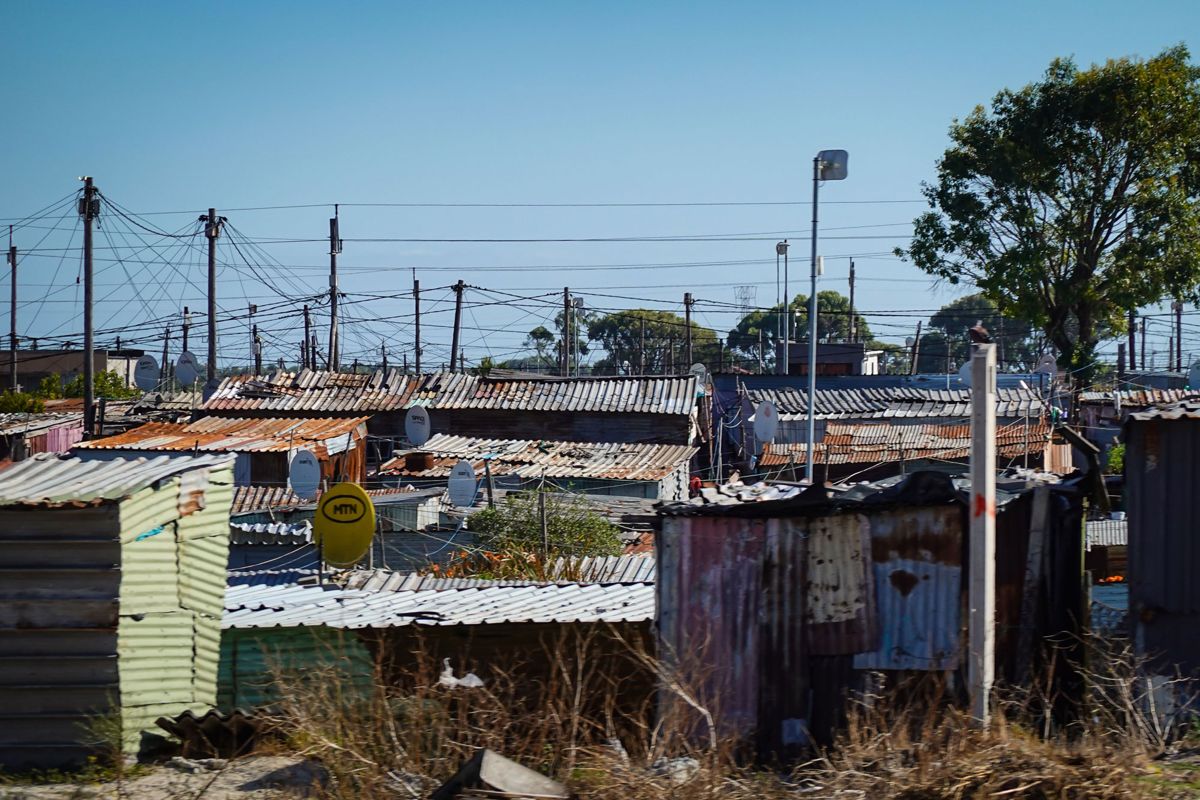
Informal settlement housing and overhead utility lines. Image: University of Cape Town News.
Community park in a Nairobi informal settlement, showing planted vegetation and reused waste materials created to restore degraded urban space and provide green, recreational areas. Image: Edwin Kirima/SDI-Kenya.
The findings are set out in a comment by Dr Petra Holden and Professor Gina Ziervogel, published in Nature Communications. The paper draws on the Tuwe Pamoja project, a multi-city study carried out in Accra, Cape Town, Lusaka and Nairobi, and on related reports from that work.
The authors say commonly championed nature-based solutions include restored urban wetlands, community food gardens and sustainable urban drainage systems. Dr Petra Holden, PiNC Lab lead, said many nature-based solutions projects presented as co-design actually begin with predetermined ideas and priorities from outside informal settlements rather than from residents.
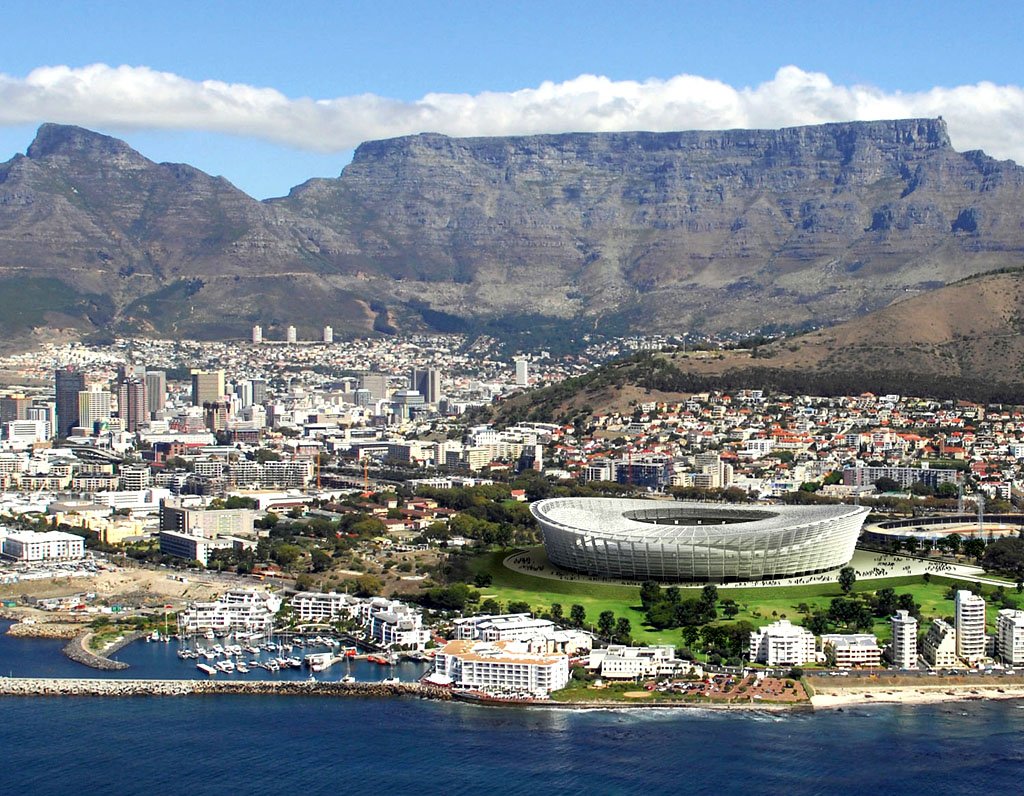
The paper uses Khayelitsha in Cape Town to illustrate the trade-offs residents face. Many people build and live along vulnerable river and wetland edges because that is where they can secure a place to stay. That choice forces harsh trade-offs between flood protection, space for vegetable gardens and play areas, and the risk of relocation if officials opt for concrete flood infrastructure. The PiNC Lab's briefing on the Cape Town work describes project sites in Khayelitsha's BM Section and Msindweni, where residents identified recurrent flooding, stagnant water and canals as primary climate risks.
The authors point to a persistent gap between how external decision-makers view urban problems and potential NbS initiatives and how settlement residents relate to and experience them. Experts themselves might be divided, for example, with an ecologist wanting to restore a wetland to its fully natural historical state while a city engineer might favour concrete storm drains. Residents may also be split, with some urgently seeking flood protection and others wanting space for vegetable gardens or places for children to play. At the same time, city officials may debate whether to build concrete or nature-based flood protection structures to protect settlements or neighbouring suburbs, which could mean bulldozing homes and relocating families.
Professor Gina Ziervogel, director of ACDI, said unless underlying power imbalances are confronted and local voices and priorities are brought in, technocratic perspectives will continue to shape climate adaptation to the direct detriment of vulnerable communities.
Without inclusive deliberation on competing claims, decisions about nature-based solutions may render trade-offs invisible and allow technocratic priorities to dominate. Dr Petra Holden, PiNC Lab lead, said achieving resilience requires recognising that nature is both a technical solution and an integral part of community identity, survival and belonging.
Pathways for just adaptation
The authors propose three pathways to make nature-based solutions deliver fairer outcomes for informal-settlement residents:
- Distributive justice - acknowledge competing claims over land and water so trade-offs are debated openly and fairly.
- Power-sensitive partnerships - shift from short-term consultation to long-term trust-building and shared decision-making, backed by funding and incentives for local leaders and community facilitators to mediate, deliberate and sustain collaboration.
- Care-full pluralism - recognise multiple ways of knowing and living with nature, bridging scientific approaches with lived experience, values and cultural relationships to environment.
The Tuwe Pamoja project also records examples where local engagement influenced city action. CLARE project materials note Lusaka mayoral engagement as an important point of city-level engagement and learning, illustrating how research and local organising can affect municipal priorities.
These findings matter for cities across Africa that are promoting nature-based solutions to address flood risk. The UCT authors say funders and municipal planners must support longer-term partnerships, provide resources for local facilitation, and design funding models that make shared decision-making possible.
Newzroom dot Africa reviewed the researchers' accounts and the Tuwe Pamoja reports: they show residents often accept flood risk to keep a home because alternatives are limited, and they document how even well-intentioned interventions can miss local needs when trade-offs are not openly debated.
Newzroom dot Africa has reached out to University of Cape Town and CLARE programme for comment and is awaiting a response. This story will be updated when they respond.
Source: University of Cape Town News