The WHO convenes experts in Zanzibar to help African countries track SRHR spending
The WHO's Regional Office for Africa has brought 35-40 experts to Zanzibar to draft SHA 2011-based guidance so countries can produce clearer, comparable figures on who pays for sexual and...
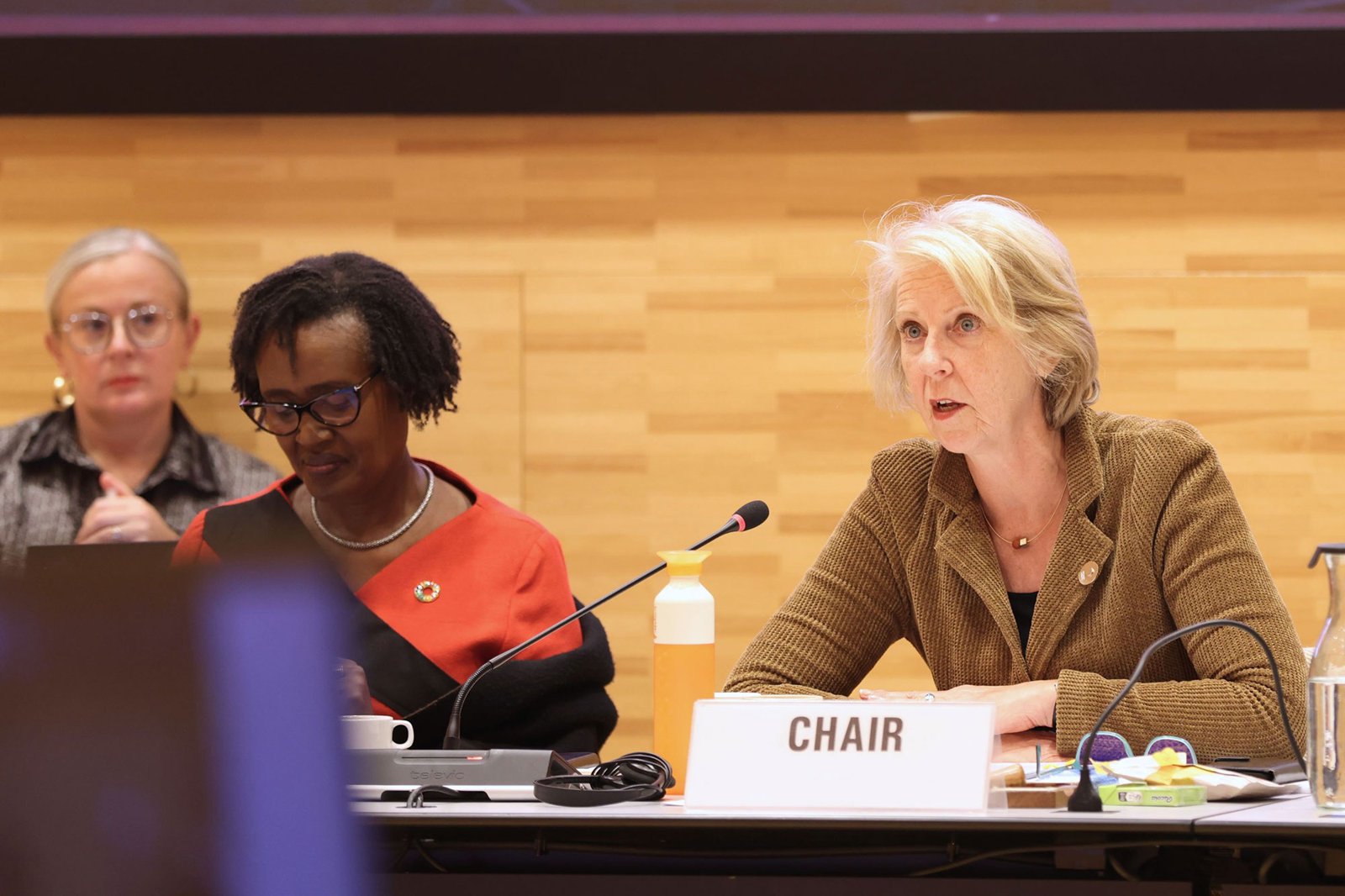
The WHO's Regional Office for Africa has brought about 35-40 regional and international experts to Zanzibar for a three-day expert consultation to review technical guidance for tracking sexual and reproductive health and rights (SRHR) spending using the System of Health Accounts 2011 (SHA 2011) framework. The work aims to give governments clearer, comparable figures on who pays for SRHR services and where the money goes so budgets match people's needs.
The guidance will help countries identify, classify, aggregate and report spending across the full spectrum of SRHR services. The WHO says the work maps nine SRHR components against SHA 2011 classifications and tests whether the proposed approach can be applied within existing National Health Accounts processes. The technical work is supported by the Swedish International Development Cooperation Agency (Sida) through a 2026-2028 grant.
Dr Maryam Hemed, speaking on behalf of the Principal Secretary, Ministry of Health, Zanzibar, said the guidance would help Zanzibar track investments in sexual and reproductive health, identify financing gaps and inform planning and resource allocation, and that the finalised guidance would be used in the next National Health Accounts update to support a sustainable, nationally owned approach to health financing analysis.
The WHO explains that SHA 2011 is the international accounting framework used to track health spending and underpins the WHO Global Health Expenditure Database (GHED), the open platform of comparable health-expenditure data countries and researchers use to monitor trends. The GHED contains annual spending data for more than 190 countries and is updated in collaboration with member states.
At present, some SRHR areas are poorly captured in routine accounts because services are financed across many programmes, sectors and funding streams. The consultation highlights gaps that national health accounts often miss or undercount, including safe abortion and post-abortion care; gender-based violence response; reproductive cancers; infertility and subfertility; sexual health and wellbeing; menstrual health; and comprehensive sexuality education. Filling those gaps would make it easier to spot shortfalls and to compare spending on contraception, maternal health and other services across countries.
Participants include the Africa Centres for Disease Control and Prevention, the African Population and Health Research Center (APHRC), the Global Financing Facility, STATAFRIC, UNAIDS, UNECA, UNFPA, UNICEF and the WHO, together with National Health Accounts and SRHR specialists from selected countries. Participants are expected to recommend a technical structure for the guidance, practical data sources and allocation methods, ways to disaggregate results, and standard reporting formats before the guidance is finalised and shared more widely.
Independent country-level analyses suggest why this matters. Country financing studies - for example, the country deep-dives produced by SEEK Development and Ipas and reported by Donor Tracker for Nigeria and Ethiopia - show that looking beyond donor totals to the full mix of domestic, private and external funding helps governments see where donor cuts would leave gaps and where domestic budgets must be protected or rebalanced. Likewise, national health accounts have already been used across the region to inform policy. Tanzania's accounts, for instance, recorded a rise in out-of-pocket spending to 32% of total health expenditure in 2019 and the country later passed a Universal Health Coverage law in December 2023 as part of broader reforms to reduce household costs and expand coverage.
Karin Berlin, Programme Officer, SRHR Team Africa, Embassy of Sweden, said reliable data on SRHR expenditure are essential for accountability and for directing resources where they are needed, adding that greater emphasis on national ownership and domestic resource mobilisation makes better spending data increasingly important.
For policy teams and civil society in Africa the benefit is practical: more complete SRHR expenditure data make it possible to identify which services are underfunded, to track whether new health insurance or budget measures actually free households from costly care, and to hold governments and donors to account with comparable numbers across time and between neighbours. In my reporting on health financing I have found that better, comparable spending data can inform policy dialogue, improve resource allocation and strengthen accountability. The guidance based on SHA 2011 aims to produce better SRHR breakdowns in routine National Health Accounts and in the WHO Global Health Expenditure Database.
By strengthening how SRHR expenditure is identified and measured, the WHO and its partners intend the guidance to feed into routine National Health Accounts work and help governments, donors and civil society prioritise budgets, improve accountability and target investments where they will reach people most needing sexual and reproductive health and rights services.
Newzroom dot Africa has reached out to World Health Organization Regional Office for Africa, Swedish International Development Cooperation Agency, Ministry of Health, Zanzibar, UNAIDS, UNFPA and African Population and Health Research Center for comment and is awaiting a response. This story will be updated when they respond.
Source: WHO Africa