R581bn electronics giant Haier launches in South Africa
Haier South Africa launch marks the entry of a global appliance leader into the competitive South African market.

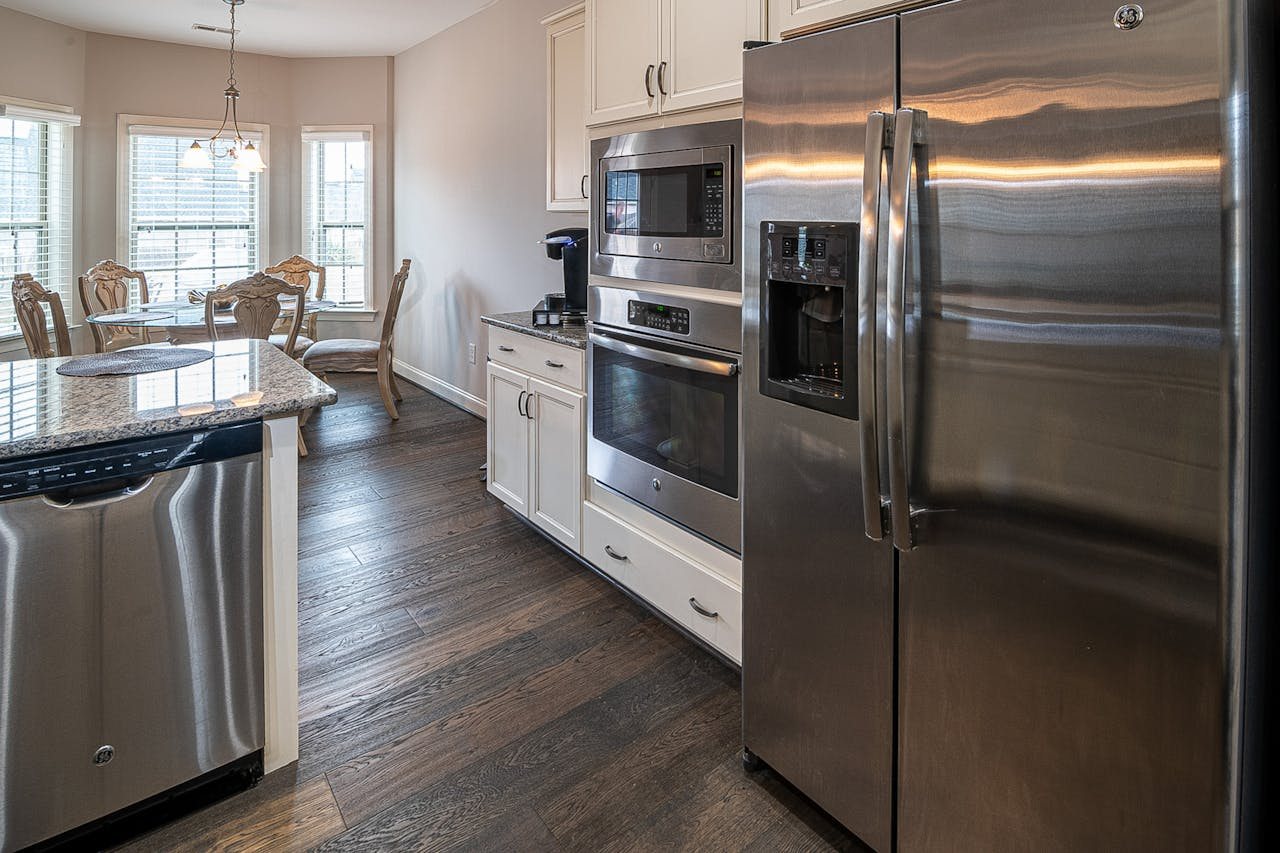
Chinese home‑appliance giant Haier has officially entered the South African market, expanding into one of Africa’s most competitive consumer electronics environments. Valued at approximately R581 billion, Haier is the world’s largest manufacturer of major home appliances by retail volume, a position it has held for more than 16 consecutive years.
What Haier is bringing to South Africa
According to Business Explainer, Haier’s local launch introduces South African consumers to a global portfolio that spans refrigerators, washing machines, air conditioners, televisions, and smart home appliances. The company operates in more than 200 countries and regions and employs over 130,000 people worldwide, giving it significant scale and pricing power in international markets.
The South African rollout follows a formal launch event attended by government representatives and media, where Haier outlined its global strategy and local market ambitions. The company enters a crowded sector already dominated by brands such as Samsung, LG, Hisense, Bosch, Defy, and others.
Haier’s global scale and business background
Founded in 1984 as Qingdao Refrigerator Company, Haier’s rise is often cited as one of the most significant corporate transformations in modern manufacturing. After restructuring in the 1980s, the company pursued strict quality control, international partnerships, and aggressive expansion.
Over time, Haier built a global footprint through acquisitions including GE Appliances in the United States, Fisher & Paykel in New Zealand, and Candy and Hoover in Europe. Today, Haier Smart Home reports tens of billions of rand in annual revenue, underpinned by a tightly integrated global supply chain.
The Kwikot acquisition and local footprint
Haier already has a base in South Africa. In late 2024, the group acquired Kwikot, the country’s largest geyser manufacturer, giving it an established manufacturing base, distribution network, and brand recognition in the local market.
The acquisition provides Haier with a platform to expand beyond imports and potentially deepen localisation through shared research, design, and supply‑chain capabilities.
Netizens react to Haier’s South African entry
Reaction on X has been divided. Some users welcomed the announcement as further evidence of increasing foreign investment into South Africa, noting that several international brands have recently announced local expansions.
Others focused on employment, saying support for Haier would depend on whether South Africans are hired and trained. Questions around value creation featured prominently, with users asking whether the expansion would translate into local manufacturing or remain focused on retail and imports.
More sceptical voices argued that South Africa should prioritise domestic manufacturing over importing finished consumer goods. Some users urged consumers to support established local brands to protect jobs, while others questioned the long‑term commitment of multinational electronics companies, citing past examples of global firms scaling back operations when profitability came under pressure.
Haier’s timing is strategically sound but socially contested. Demand for energy‑efficient appliances is rising as households respond to electricity constraints and cost pressures, creating an opening for a global player with scale and advanced product lines.
At the same time, public reaction shows that South Africans are increasingly wary of growth that is consumption‑led rather than production‑led. Haier’s ownership of Kwikot places it in a stronger position than many foreign entrants to address these concerns, but expectations will be high.