How one SMS service keeps AI working for 4.4 million mothers in four African countries
Jacaranda Health says its PROMPTS SMS reached 4.4 million mothers by 20 November 2026. A continuous Health Score and simple operational metrics caught problems in Ghana and kept care running.

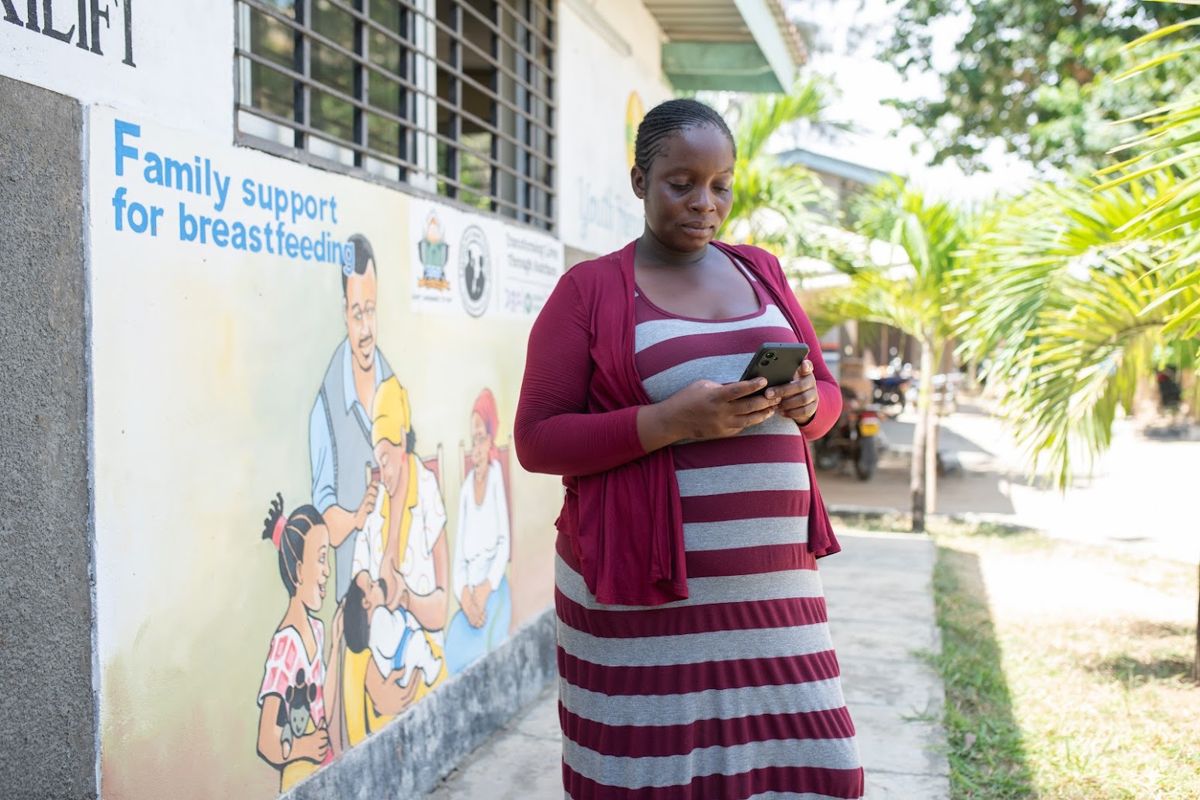
As of 20 November 2026 Jacaranda Health says its PROMPTS SMS service had reached 4.4 million mothers across four African countries and uses continuous product-level monitoring to keep its AI-powered advice dependable for the mothers who rely on it.
That figure appears in Jacaranda's public guide to operating AI at scale (Jacaranda Health, "How to Evaluate AI Products at Scale"). The guide says PROMPTS' impact has been tested in two randomized controlled trials (RCTs) and by ongoing programme data, but the guide does not include direct links that define how "reached" is measured (for example, whether it means cumulative enrolments, unique active users or messages sent) or the full trial reports. Jacaranda presents the 4.4 million number as a to-date total in its guide.
The PROMPTS Health Score
Jacaranda created a composite operational metric called the PROMPTS Health Score to track the platform continuously. Product-level monitoring in this context means simple checks that follow a user from signup to getting an answer, so technical and clinical teams can spot where users get stuck and act quickly.
The Health Score groups indicators that trace the full user journey and show where handoffs can fail. In plain terms, the score watches whether users complete signup, whether messages are delivered, whether questions are answered promptly, and how long data and messages take to move between systems. The score contains:
- Time to complete enrolment (the double-consent onboarding)
- Consent rate (opt-in via in-person and SMS consent)
- Outgoing message receipt rate (the proportion of messages delivered)
- Helpdesk message clearance (percentage of incoming messages resolved)
- Inter-platform transfer time (time to pass data between messaging, the AI model and the helpdesk)
Because PROMPTS is an operational clinical tool, Jacaranda says these product-level measures reveal problems that model benchmarks alone can miss.
Concrete failures and fixes
Jacaranda describes two practical examples. In Ghana the response-speed metric fell from under 2 seconds to a peak of 45 seconds over one month while conventional outage monitors showed nothing offline. Investigation found that, among about 27,000 Ghanaian mothers on PROMPTS, roughly 5% had no recorded pregnancy status. The system repeatedly retried processing those incomplete records, queuing each for a retry and creating a processing loop that slowed responses for everyone. A targeted data fix returned processing load to baseline.
In 2024 Jacaranda flagged another pattern: a small group of mothers each sent more than 100 questions in six months. Conversation logs showed repeated resends of the same question because replies were slow: questions the model could not confidently answer were routed to the human helpdesk and took longer. Jacaranda retrained the model on more topic areas so it could answer more questions directly, and response times improved. The organisation also began asking every mother "Have we answered your question?" after each reply to measure satisfaction, not just message volume.
Engagement measured by outcomes
Jacaranda emphasises that value is shown by measures that map to users' goals. For PROMPTS the team measures survey response rate, question rate, response satisfaction rate, referral success rate and retention rate. Taken together, these metrics aim to show whether mothers get reliable information, feel heard by the health system and follow referrals when advised.
Where the programme reports its practical results
Jacaranda places its operational approach alongside wider efforts to improve AI evaluation in development. External groups such as the Abdul Latif Jameel Poverty Action Lab have published guidance that treats randomized evaluations as the standard for impact, while also noting the need for evaluation methods that work in changing, real-world settings.
At a Kenya convening Jacaranda staff shared programme reporting that referenced a roughly 27% rise in care-seeking behaviour and an estimated lifetime delivery cost to the programme of about US$2.50 per mother; that presentation was reported in Newsday. The Newsday item is the public reference for those figures (Newsday). The Jacaranda guide notes continued enrolment growth of hundreds of thousands a year but does not publish the underlying trial reports or a programme cost breakdown in the guide itself.
For clinics and county health managers the practical implication is straightforward: add simple handoff and timing metrics to routine monitoring, watch for sudden changes in those scores, and treat rapid fixes and retraining as normal maintenance for any AI-enabled service that millions of people rely on. As a reporter who covers digital health, I note these operational checks are exactly the kind of detail donors and health managers ask for when they consider scaling a digital service.
Internal context: Newzroom dot Africa has previously reported on the need for data standards and governance before scaling AI; see our piece on governments and data standards for national-scale AI deployments for background.
Source: Jacaranda Health