EAC and IGAD train communications officers in Nairobi to explain World Bank-backed plan for cheaper cross-border connectivity and easier trade
Communications officers from the EAC and IGAD met in Nairobi on 12-13 November to learn how to explain the World Bank-supported Eastern Africa Regional Digital Integration Project (EARDIP) and the...
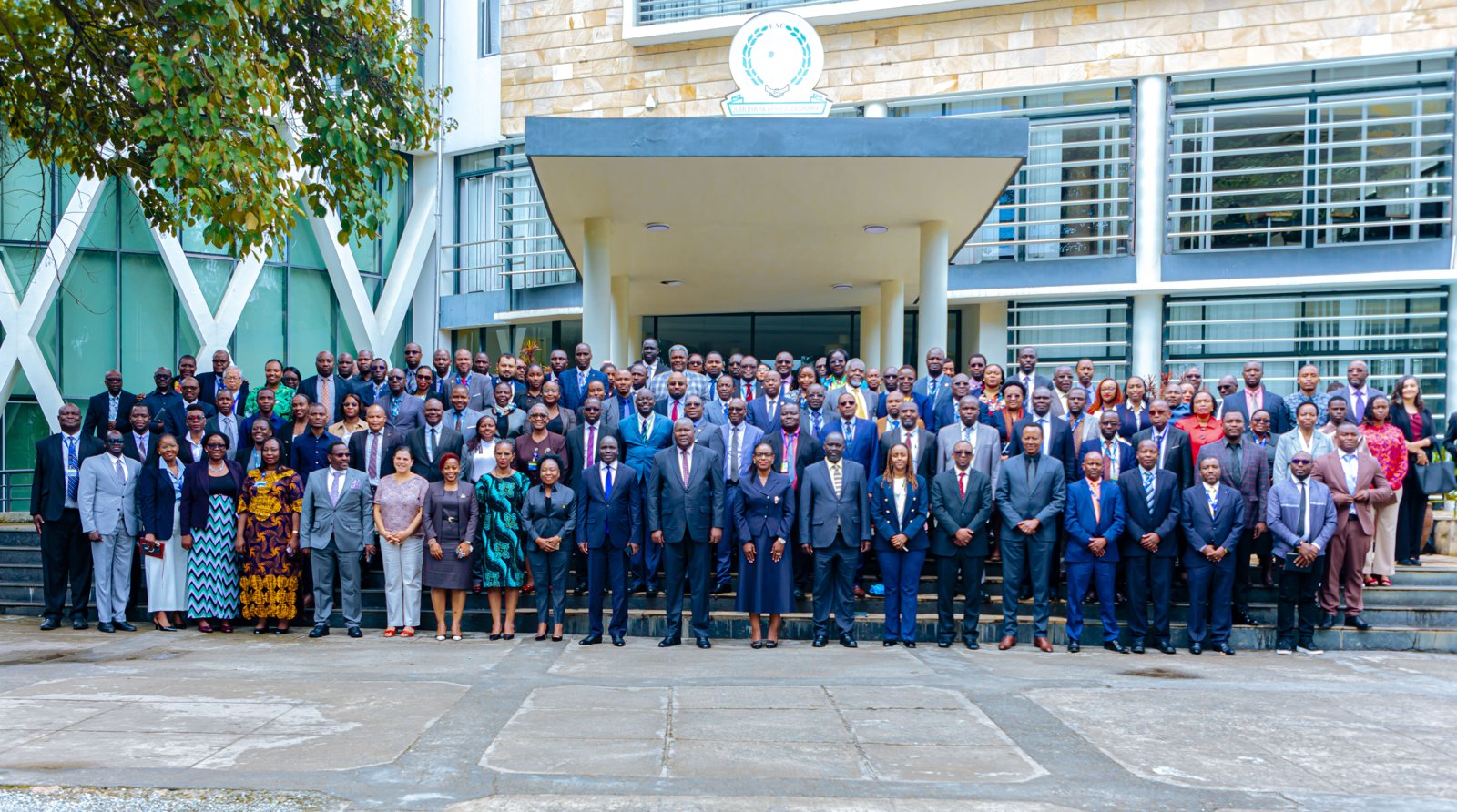
The East African Community (EAC) and the Intergovernmental Authority on Development (IGAD) ran a two-day workshop in Nairobi on 12 to 13 November 2026 to train communications officers to explain and promote the World Bank-supported Eastern Africa Regional Digital Integration Project (EARDIP). The training aimed to help officers show citizens, businesses and micro, small and medium enterprises (MSMEs) practical benefits such as cheaper connectivity, safer online services and easier cross-border transactions.
The Joint EAC-IGAD Regional Communications Officers' Capacity Building Workshop brought together communications professionals from ministries responsible for ICT and the digital economy, communications regulatory authorities, EAC and IGAD coordinating ministries and project implementing institutions. Participants discussed how to translate technical project work into short, accessible messages for diverse audiences using traditional media, social and digital platforms, community outreach and podcasts.
EARDIP, which EAC and IGAD say is supported by the World Bank, focuses on four linked areas: expanding regional broadband connectivity, harmonising data governance and strengthening cybersecurity, enabling digital trade and interoperable cross-border payments, and building regional institutional capacity for coordination and monitoring.
- regional broadband connectivity, including cross-border infrastructure, open-access principles and public-private partnerships;
- harmonised data governance and stronger approaches to data protection and cybersecurity;
- digital trade and e-commerce, including interoperable cross-border payments and support for MSMEs; and
- institutional and capacity strengthening for regional coordination, monitoring and implementation.
The workshop highlighted the practical issues that will matter to users and businesses: cross-border interconnection of networks, regional mobile roaming arrangements, coordinated spectrum management, investment in broadband infrastructure, interoperable payment rails for cross-border e-commerce, consumer protection and regional cooperation on cyber threat information sharing.
Those technical changes are intended to produce concrete local effects. EAC and IGAD say citizens should see lower data and roaming costs and more reliable connections; businesses should get safer services and improved access to regional markets; and sellers and buyers should face less friction in cross-border payments.
For a simple example: a small shop selling handicrafts in Kampala could use a regional e-commerce platform and interoperable payment rails to take orders from buyers in neighbouring countries without requiring manual bank transfers. That reduces delays and the paperwork small traders face when selling across borders, and combined with lower roaming and data costs it can make regional customers easier to reach.
IGAD's description of EARDIP lists the project's national focus: Djibouti, Ethiopia, Kenya, Somalia, South Sudan, Sudan and Uganda are named as IGAD member states participating in related activities. Earlier EAC documents say the project sits alongside the bloc's 7th Development Strategy for 2026/27-2030/31 and the Community has presented a pipeline of 48 priority regional projects as part of wider resource mobilisation efforts.
Who pays for what? The World Bank is the stated backer of EARDIP; EAC and IGAD say further investment will come through development partners and public-private partnerships for infrastructure and open-access broadband. The EAC also points to an existing development cooperation portfolio of about US$370 million across 42 active projects as a foundation for attracting more funding and technical expertise. At the 4th EAC Development Partners Group Forum the EAC said its priority now is to move from strategy to implementation by mobilising financing and investment.
"The 7th EAC Development Strategy sets out an ambitious agenda for a more integrated, competitive and resilient East Africa. Our priority now is implementation. Through this Forum, we hope to move from identifying priorities to building practical partnerships that mobilise financing, technical expertise and investment around programmes that deliver measurable results for our citizens," said Amb. Stephen Mbundi, EAC Secretary General, at the EAC Development Partners Group Forum in Arusha.
Not all countries or elements are identical. For example, earlier EAC documents note that Kenya is not a direct national beneficiary of the World Bank financing labelled EARDIP, but Kenya's national programme, the Kenya Digital Economy Acceleration Project (KDEAP), is aligned with EARDIP goals and will support regional activities. Implementing partners will need to clarify which national components (for example specific cross-border fibre links, national data-governance laws, or interoperable payment pilots) start where and on what timetable as the project moves from planning to work on the ground.
The workshop organisers emphasised that communications officers have a continuing role once training ends: coordinating messages across countries, countering misinformation, and helping citizens and MSMEs understand when and how services change. EARDIP documents listed alongside the project, such as stakeholder engagement plans and environmental and social commitments, are aimed at guiding how interventions are explained and rolled out at national level.
As the EAC and IGAD move from meetings to implementation, the key questions for ordinary users will be which country-level components start first, who pays for the build-out locally, and how quickly interoperable payments and roaming rules are put in place. The EAC has signalled that the coming months will focus on mobilising partners and investment; concrete project schedules and local funding commitments will be the next test of how quickly those benefits reach citizens and small businesses across eastern Africa.
The EAC press release published on 13 November 2026 named Aileen Mallya as communications expert for EARDIP and gave the EAC Secretariat as a contact for more information about the project.
Newzroom dot Africa has reached out to East African Community, Intergovernmental Authority on Development and World Bank for comment and is awaiting a response. This story will be updated when they respond.
Source: East African Community