Ashesi students win iGEM gold for using engineered bacteria to extract gold from e-waste
An Ashesi University team won a gold medal at iGEM 2026 for SynMine, a prototype that uses engineered E. coli to extract gold from crushed circuit boards.

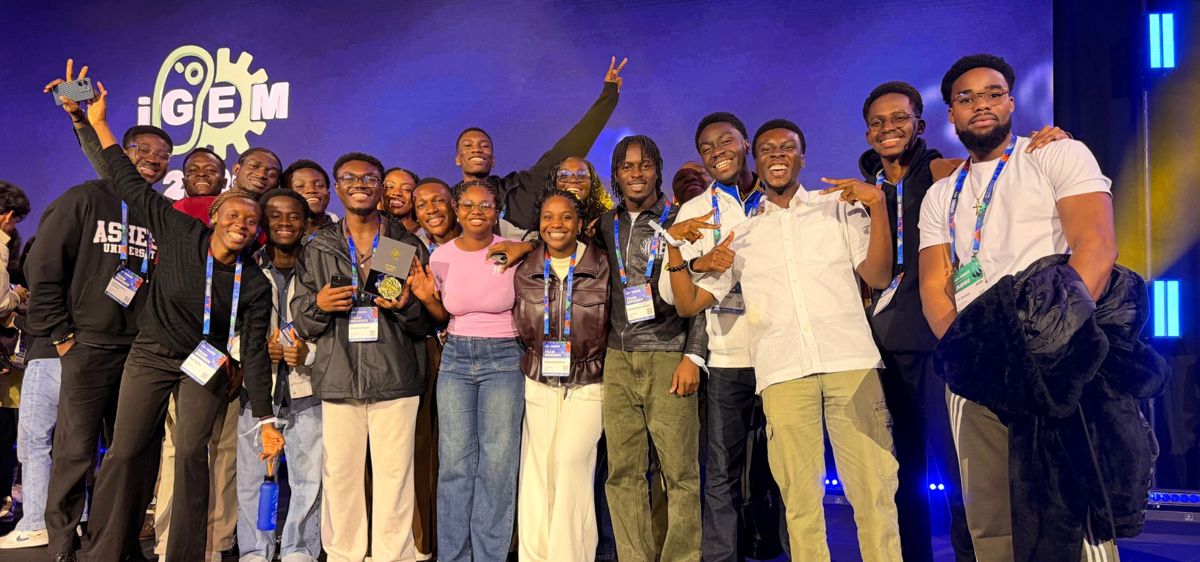
A student team from Ashesi University won a gold medal at the 2026 International Genetically Engineered Machine competition in Paris for SynMine, a prototype that uses specially engineered E. coli to extract gold from crushed computer circuit boards. The university describes the approach as a way to reclaim gold from discarded electronics that could avoid some of the harms of current methods if it can be safely tested and scaled.
According to Ashesi's announcement, SynMine works in stages: crushed circuit boards are treated with a substance produced by engineered E. coli to dissolve gold and other metals into a liquid; a second group of engineered bacteria then captures the gold from that liquid; an acid wash releases the captured gold; and a further bacterial process converts the material into tiny solid gold particles.
The team built a prototype and said the iGEM win has given them renewed motivation to develop the work. Shadrack Nti said in Ashesi's announcement: "learnt to appreciate each other's perspectives while working towards the same goal." iGEM is an international synthetic biology competition.
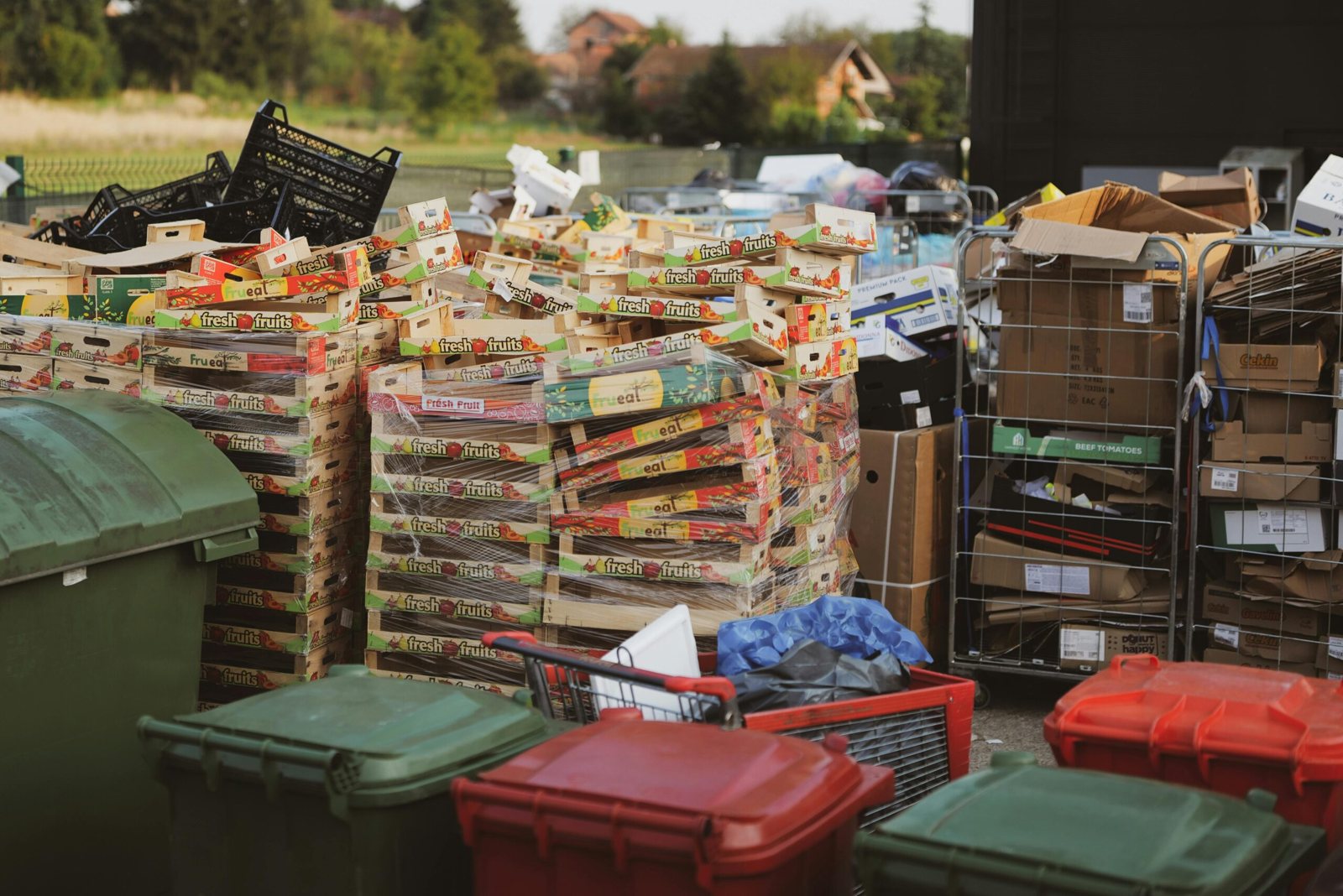
The idea matters in Ghana because of the scale and hazards of informal e-waste processing at sites such as Agbogbloshie on the outskirts of Accra. Reporting and documentation of Agbogbloshie describe open burning of wires and other components, and high concentrations of lead, mercury and other toxic substances in soil and water. The United Nations Environment Programme has said more than 50 million tonnes of e-waste are produced worldwide each year; see the UNEP Global E-waste Monitor for the underlying figures: UNEP Global E-waste Monitor.
Ashesi's announcement describes the SynMine process but does not include independent test results or peer-reviewed data showing how effectively the prototype recovers gold, nor does it publish detailed biosafety, waste-handling or regulatory plans that would be required before any real-world use. Those gaps matter because the process the team describes produces multiple waste streams: dissolved metals and the acid wash used to release gold, each of which would need controlled handling and treatment.
iGEM is an international competition. Even so, a competition-built prototype is not the same as an independently tested or regulatory-approved process ready for deployment in a community or informal recycling site.
Before any application near communities such as Agbogbloshie, independent testing and peer review would be needed to show that the bacteria cannot survive or spread outside contained facilities, that chemical wastes are neutralised, and that recovered gold comes with verifiable standards for purity and chain of custody. National regulators and biosafety experts would also need to evaluate how the work fits Ghanaian and international rules on genetically modified organisms and hazardous waste.
The potential is real: a safe, low-toxicity method to recover valuable metals from e-waste could reduce burning and chemical use, and so lower the harms faced by informal recyclers. Newzroom dot Africa has previously reported on local technology solutions that scale safely, for example How one SMS service keeps AI working for 4.4 million mothers in four African countries. But the jump from an iGEM prototype to a field-ready, regulated process is large. The university's announcement makes clear that SynMine is at the prototype stage and will require further testing and development.
As a reporter, I will be watching for independent test results, a published safety plan and technical diagrams or photos that show how the prototype is contained and how waste streams are handled. Those documents will be the clearest evidence that the approach can move from a competition project to a safe option for recycling e-waste in Ghana and beyond.
Newzroom dot Africa has reached out to iGEM and Environmental Protection Agency, Ghana for comment and is awaiting a response. This story will be updated when they respond.
Source: Ashesi University