Volcano Belt water system now supplies about 400,000 people in north-west Rwanda; expansion would reach about 1.1 million
Phase I of the AfDB-backed Volcano Belt Water Supply System now delivers piped water to roughly 400,000 people in Musanze, Nyabihu and Rubavu.
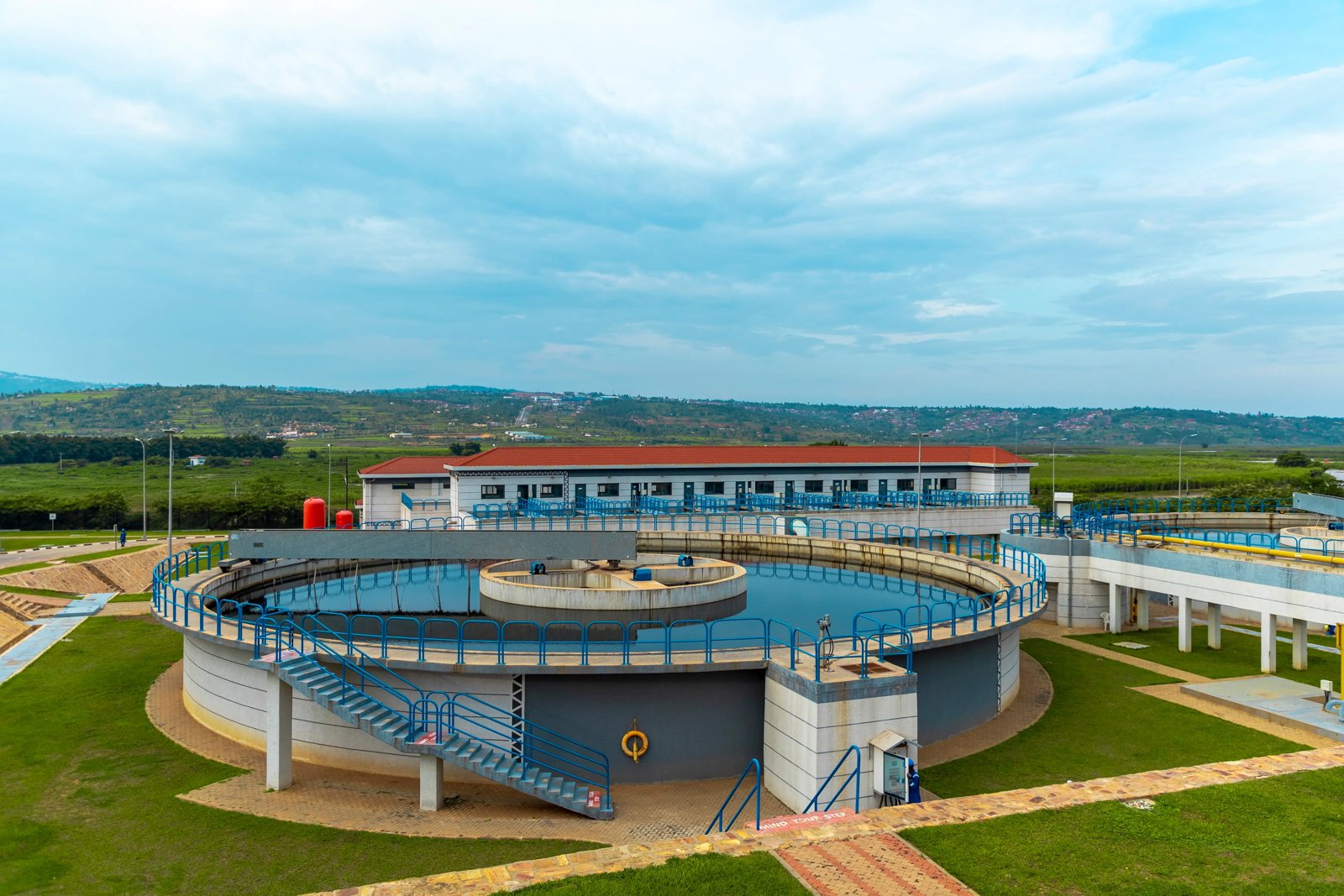
AfDB-backed Volcano Belt Water Supply System has completed a first phase of works that is already delivering piped water to communities in Musanze, Nyabihu and Rubavu districts and is expected to benefit more than 400,000 people.
As of 1 November 2026, the project had laid approximately 180.5 kilometres of new pipelines, rehabilitated two water intake and pumping facilities and built and connected 135 community water points, the AfDB said in a progress update published on 24 November 2026.
A central component of the scheme is the Mutobo water treatment works. The project has expanded treatment capacity at Mutobo from the older facility and added a new plant designed to treat 43,000 cubic metres per day; WASAC says the two plants together can produce about 55,500 cubic metres a day for the new networks.
Phase II is planned to extend the Volcano Belt system by more than 500 kilometres of additional pipelines and is expected, when complete, to reach a further 632,555 people across the three districts. Taken with Phase I and other subprojects under the Rwanda Sustainable Water Supply and Sanitation Program (RSWSSP), the programme's coverage would reach roughly 1.1 million people for water supply and nearly half a million for improved sanitation.
The African Development Bank (AfDB) has been the programme's main financier. AfDB documents show it provided a first loan in 2017 and additional financing in 2019; the AfDB says it has financed about 57% of the RSWSSP's total cost of EUR 379.68 million, underlining the institution's long-running support to Rwanda's water plans.
Local voices quoted by WASAC and the AfDB describe immediate gains. "Before, our health centre sometimes went several days without water, which made it difficult to provide quality healthcare services. Today, we have a reliable water supply that meets the needs of both patients and staff, with our records indicating a decline in cases of waterborne disease among patients," said Nduta Buhiga, deputy head of Gacaca Health Centre in Musanze.
Residents say the project has cut the time and cost of fetching water. "Before the project, fetching water could take us up to three hours, and a jerrycan cost as much as Frw 800 during the dry season. Today, we have clean water close to our homes for just Frw 20 per jerrycan," said Nyinawumuntu Annonciatha of Gatovu Village, quoted on WASAC's website.
WASAC Group, the national water utility, is implementing and managing the Volcano Belt works. In a statement on the project, Kalisa Espoir, acting head of WASAC's Musanze branch, said the system has removed the need for water rationing in parts of Musanze and nearby sectors and has improved supply consistency in areas that previously received water only at certain times of day.
The Government's Ministry of Infrastructure has also published progress updates. A ministry briefing in October 2026 notes that Phase I began in mid-2024 and carried targets for pipeline and treatment-plant works; the ministry framed the project as part of Rwanda's Vision 2050 and the National Strategy for Transformation.
National statistics show Rwanda has made rapid gains in access: the 2023-24 household survey reports about 90% of households use improved drinking water sources, with higher rates in urban areas than rural. Those figures show why the government and its partners have prioritised large-scale supply projects, but they also point to the remaining work to bring reliable piped water closer to every community.
What matters next for people in the Volcano Belt is completing construction and ensuring the system is run and paid for. On the ground, sustaining the gains will depend on routine operation and maintenance, clear water-quality monitoring, and tariffs or subsidies that keep services affordable for households. These are routine challenges for large networked water systems and are already part of RSWSSP documents and the AfDB's project planning.
Photos and project material published by WASAC and the African Development Bank illustrate the new treatment works at Mutobo and the community taps that bring water closer to homes.
Reporting for this story included the AfDB progress update, WASAC Group's project briefing and the Ministry of Infrastructure's progress note, together with Rwanda's national statistics. From those sources I found that reliable piped water reduces time spent fetching water and eases pressure on clinics and schools; whether those gains last will depend on how Phase II is financed, the timetable for building the extra pipelines, and the long-term arrangements for operating and maintaining the expanded network.
This story will be updated if WASAC Group or the African Development Bank publish further information.
Source: African Development Bank