South African observatory launches online radio astronomy training platform for students across Africa
SARAO has launched an e-learning portal with courses, MeerKAT tutorials and an online winter school to give students and early-career researchers in South Africa and eight SKA-Africa partner...
The South African Radio Astronomy Observatory (SARAO) has launched an e-learning platform that offers online teaching and training resources in radio astronomy for students and early-career researchers in South Africa and the eight SKA-Africa partner countries.
The platform provides courses and materials on the fundamentals of radio interferometry, software tools such as GitHub for Astronomers, pre-recorded lectures and presentation slides, hands-on tutorials using MeerKAT public data, and problem sets with solutions. SARAO developed the content in collaboration with the Rhodes University Centre for Radio Astronomy Techniques and Technologies (RATT).
SARAO says most course materials are open access and available to anyone, while some practical sessions and materials that use MeerKAT data have limited access. Tutorials include interactive Python notebooks that can be run on Google Colab and practical examples that use MeerKAT public data from the SARAO archive. Many ARIWS tutorials and lesson materials are available from the ARIWS-cookbook GitHub repository and SARAO's YouTube channel.
The portal will host the African Radio Interferometry Winter School (ARIWS) in an online format and includes a MeerKAT student community area collecting lectures, training videos and lesson slides. The winter school is an annual workshop that introduces students and young scientists to MeerKAT science and data processing, combining lectures with hands-on exercises to build practical experience handling large MeerKAT data sets.
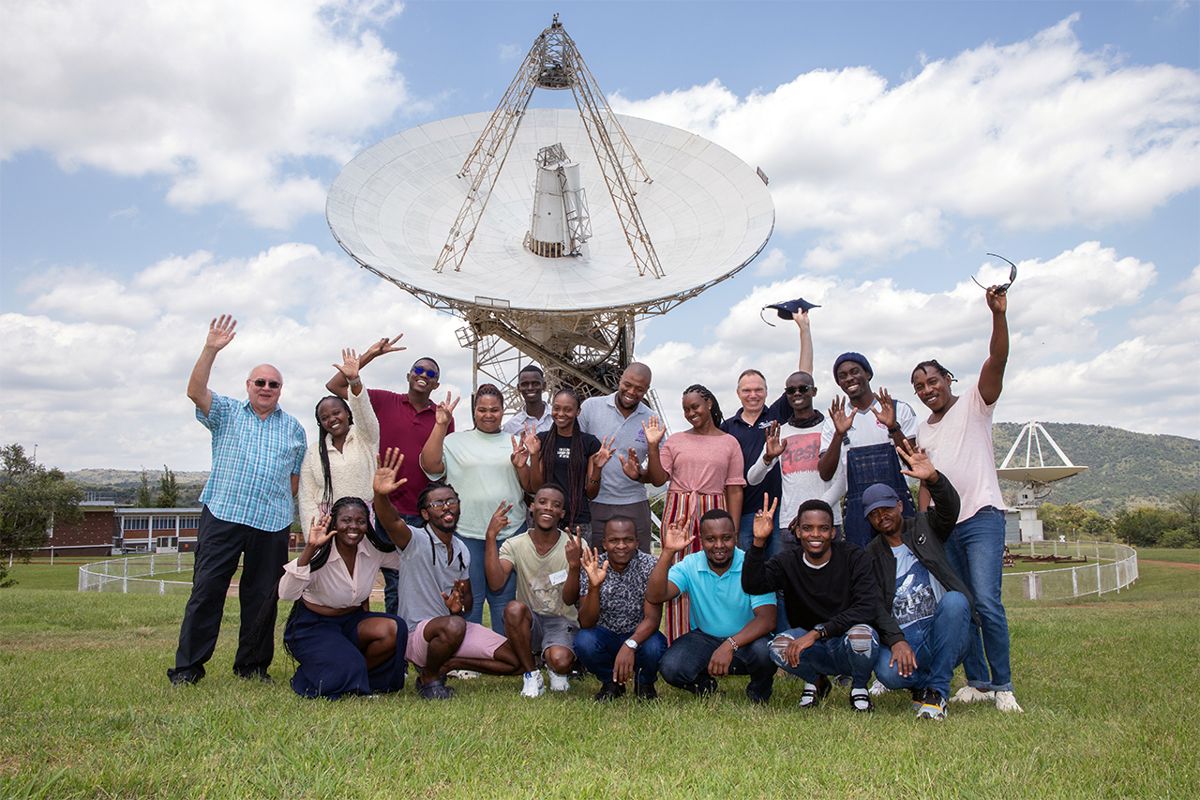
SARAO and university partners already run in-person and online workshops to build skills across the region. For example, the MeerKAT Grand Tour Data Science workshop at Rhodes University ran from 15 to 21 January 2023 and brought students together for intensive, hands-on training in MeerKAT data reduction and analysis.
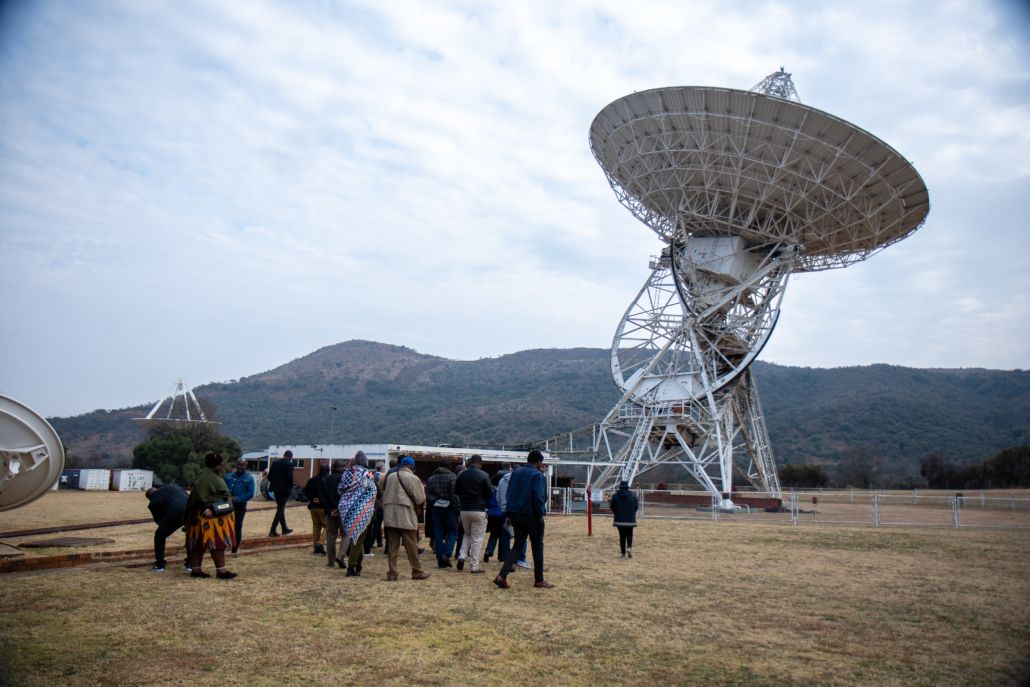
The e-learning platform is part of a wider training pipeline that pairs remote teaching with on-campus instruments and local workshops. Compact teaching telescopes such as the Transient Array Radio Telescope (TART) have been installed at universities across Africa to give students direct experience of instrument building, calibration and data collection. Deployments and training to date have focused on the eight African partner AVN countries of the SKA project: Mauritius, Kenya, Botswana, Zambia, Ghana, Mozambique, Madagascar and Namibia.
Rhodes University and other partners say the combination of online materials and local hands-on tools speeds up skills development. Professor Oleg Smirnov of Rhodes University said large instruments such as MeerKAT are costly and oversubscribed, and that many students across the continent have limited direct access and therefore miss opportunities to train with them.
Benjamin Hugo, head of the organising committee for a recent SARAO workshop and a SARAO software developer, said the workshop exposed students to a wide range of topics, included Q&A and hands-on sessions geared at masters students, and helped them network in ways the organisers hope will lead to lasting research collaborations.
Rhodes University faculty note that the skills taught for radio astronomy - calibration, signal processing, statistical analysis and software development - transfer to other industries. Dr Stanley Kuja of Rhodes University said the training helps students build technical, software development and statistical skills that are useful in research and in industries such as medical imaging, telecommunications, space weather modelling, defence and data-intensive analytics and finance.
MeerKAT is a 64-antenna radio telescope in South Africa's Northern Cape and a key precursor to the Square Kilometre Array. Because large facilities are expensive and oversubscribed, SARAO says remote teaching and public-data tutorials make it easier for students in partner countries to join research that uses MeerKAT and other international telescopes.
The portal will also run a public e-seminar series. The first talk featured Dr Daniel Czech of the Breakthrough Listen project at the University of California, Berkeley, on MeerKAT's ability to search for signs of intelligent life.
SARAO's e-learning platform is online. SARAO says it will add new courses and materials as they become available.
Newzroom dot Africa has reached out to Rhodes University Centre for Radio Astronomy Techniques and Technologies and University of Otago / TART project for comment and is awaiting a response. This story will be updated when they respond.
Source: SARAO