South African Astronomers Solve Mystery of Misbehaving Red Supergiant Star
South African astronomers solve misbehaving star mystery using SALT and confirm the red supergiant is reshaped by a companion star.

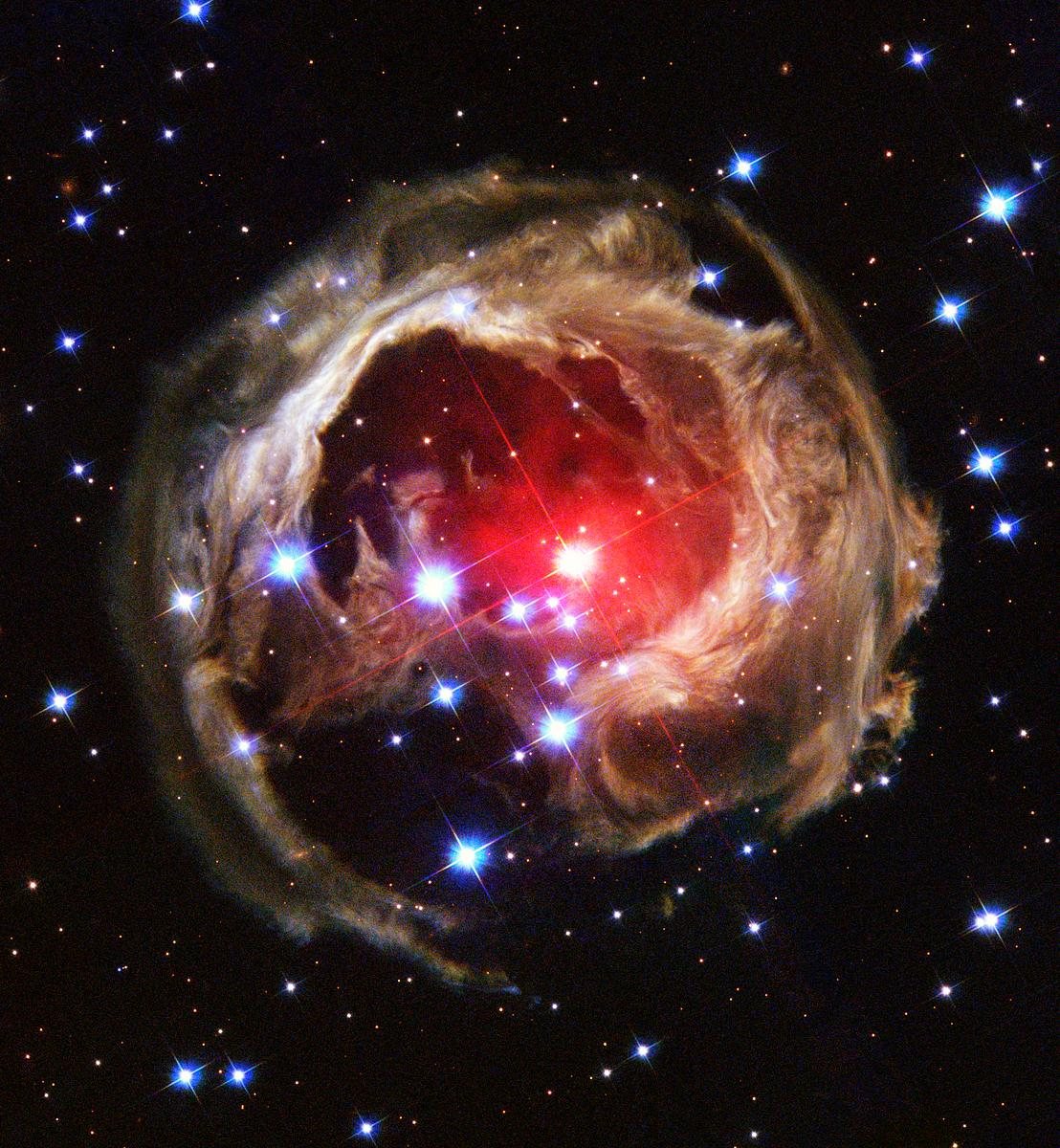
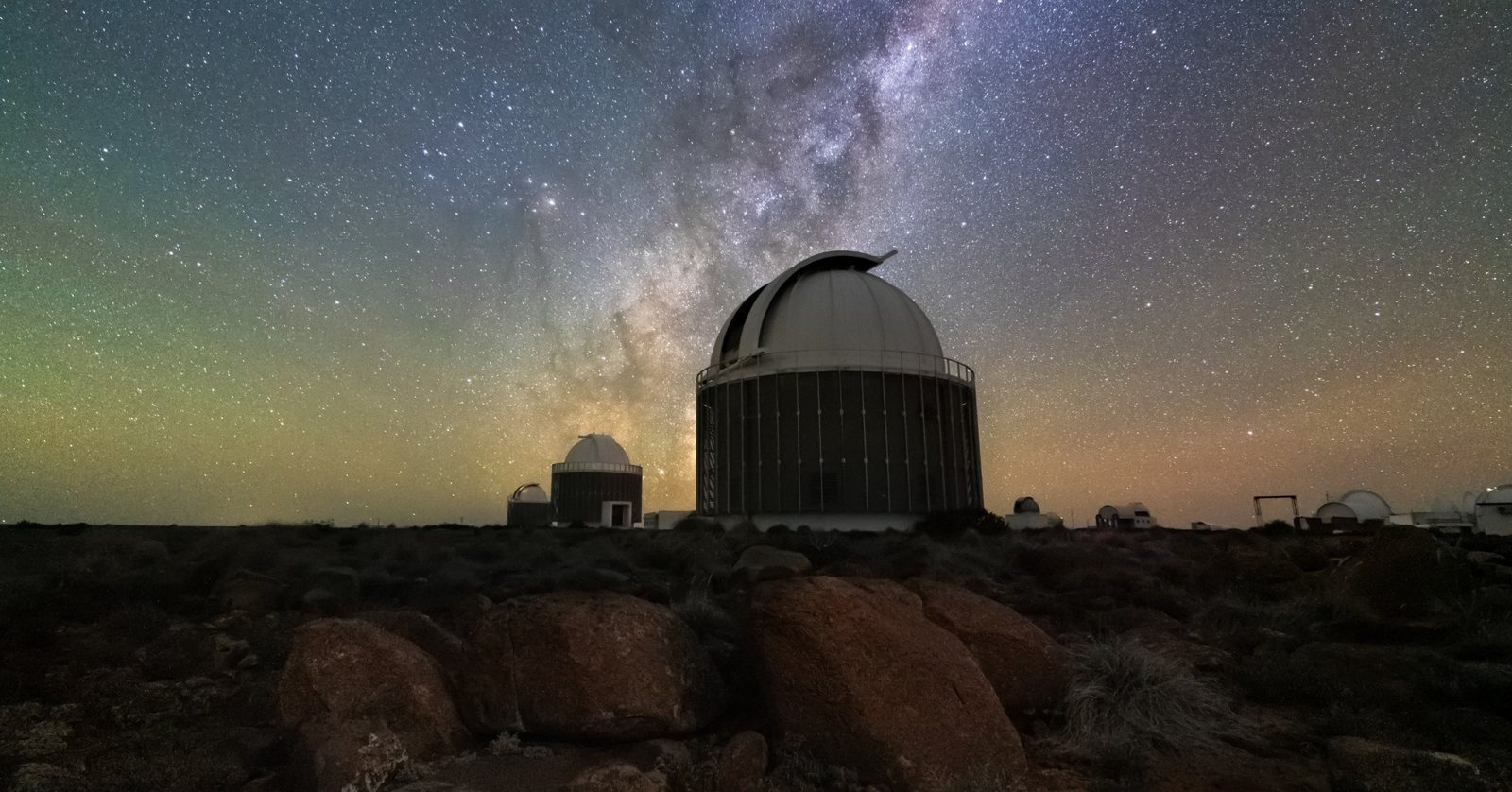
South African astronomers working with the Southern African Large Telescope have solved a mystery involving a massive red supergiant star that seemed to be fading and weakening, behaving in ways scientists around the world could not explain. The breakthrough happened at SALT’s high-altitude observatory in Sutherland. It reveals that the star’s unusual behaviour resulted from a hidden companion star reshaping its atmosphere.
The finding is a major achievement for African astronomy, placing South African scientists at the centre of a global discovery.
How South African astronomers used SALT to solve the misbehaving star mystery
Between November 2024 and December 2025, astronomers deployed SALT’s Robert Stobie Spectrograph to collect deep optical data on the misbehaving red supergiant. The star had faded dramatically over the last decade, lost its usual pulsations and developed a mysterious dust cloud first detected in 2024. These signals led many international researchers to speculate that the star was entering a dangerous pre‑supernova phase.
Yet, SALT data revealed something different. Scientists detected titanium oxide absorption bands in the star’s light, a feature only existing in cool stellar atmospheres. This finding proved that the star remained a red supergiant and had not transitioned into a hotter phase.
The hidden companion star behind the strange behaviour
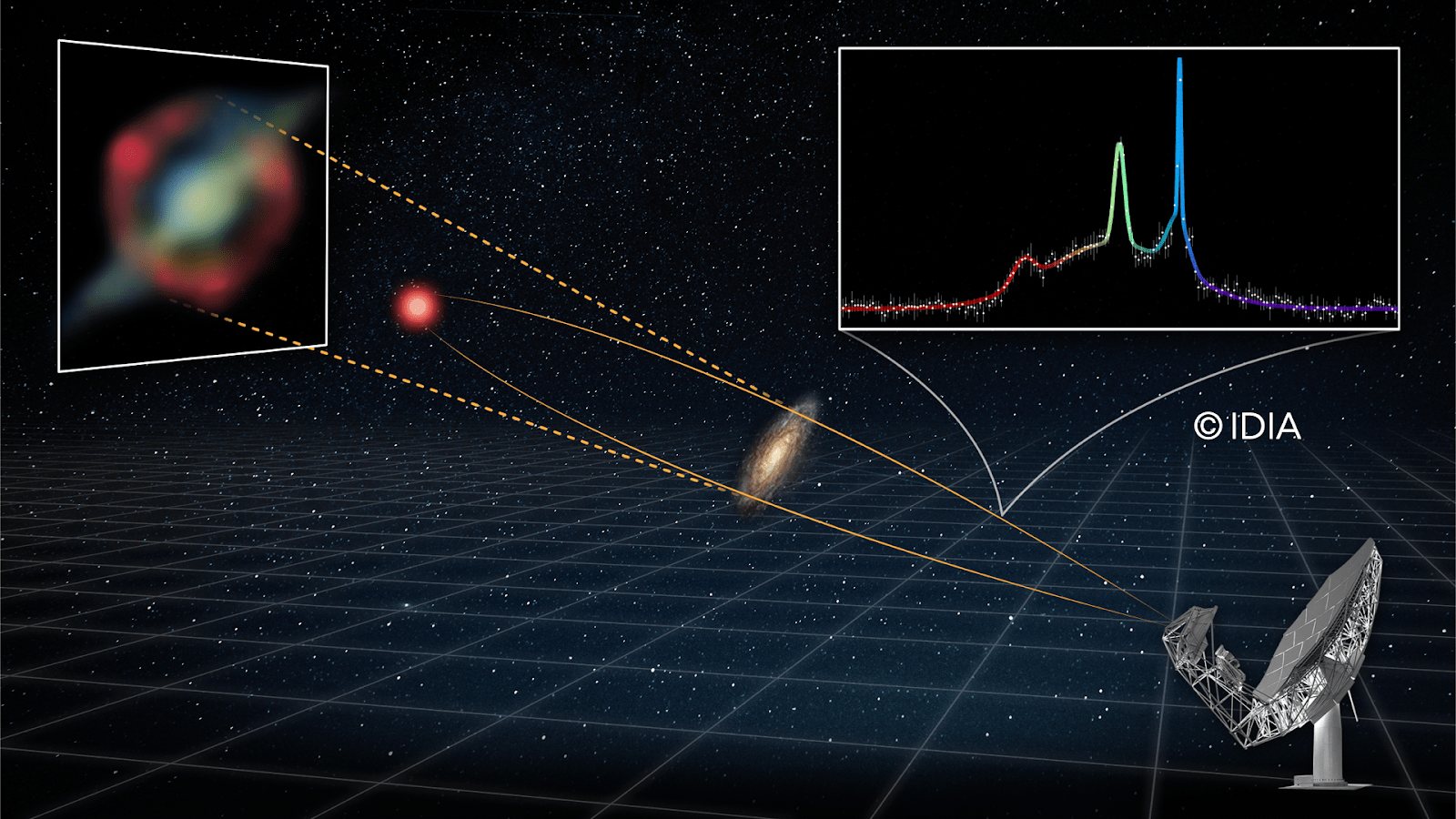
The new observations confirm that a hot companion star is the true driver behind the misbehaving red supergiant. As the companion moves closer, its gravity stretches the supergiant’s outer layers. This movement triggers heavy mass loss and produces thick dust clouds. These clouds temporarily obscure the setup from Earth.
This interaction created the illusion that the star was dying. Researchers found a system in transformation, shaped by a complex relationship between two stars. Scientists describe it as a phoenix rising from the ashes.
SALT, the telescope at Sutherland
This discovery is a milestone for African science. SALT, the largest optical telescope in the southern hemisphere, allowed South African astronomers to lead a major international finding. The work shows Africa’s growing ability to contribute to high‑impact astrophysics.
The insights gained also deepen global understanding of how massive stars evolve, especially when they interact with companion stars. These processes shape the formation of cosmic dust and influence the life cycles of galaxies.
Original Reporting
What We Confirmed:
- The star experienced fading, weakened pulsations, and a new dust cloud between 2014 and 2024.
- SALT observations were collected from Nov 2024 to Dec 2025.
- Titanium oxide bands confirmed the star remains a cool red supergiant.
- Companion star gravity explains the erratic behaviour and dust production.