South African art-based mental health programme to be showcased at Nairobi conference
The Together Project will present its Art as an Open Door psychosocial support programme at the Global Mental Health Africa Conference Innovation Fair in Nairobi from 8 to 10 February 2027; the...
A South African art-based psychosocial support programme will be showcased at the Global Mental Health Africa Conference Innovation Fair in Nairobi. The Together Project, a South African non-profit organisation, will present "Art as an Open Door" at the conference, which runs from 8 to 10 February 2027.
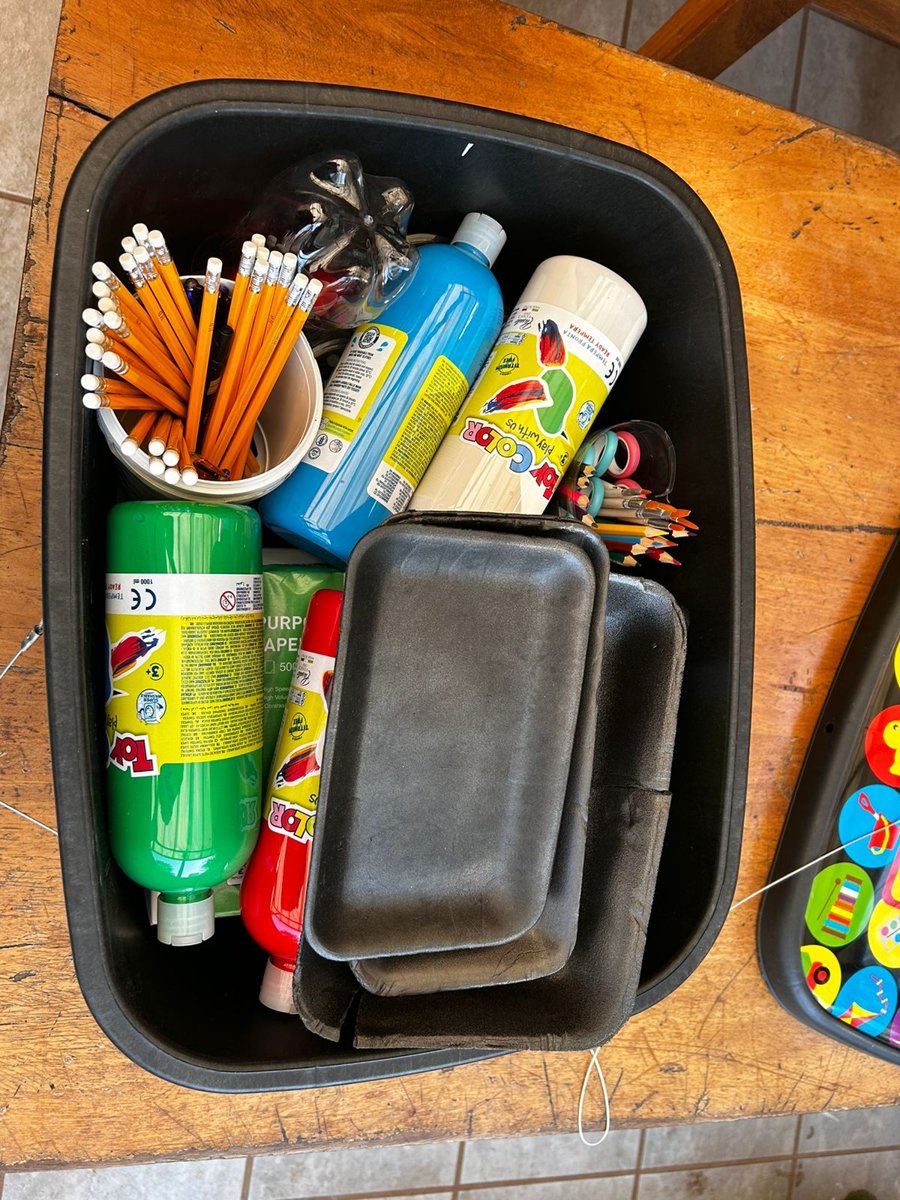
Groups combine guided creative activities such as drawing, painting and writing with mindfulness or body-awareness exercises, psychoeducation, practical coping strategies and supportive group conversation. No artistic experience is required and participants are not expected to produce a finished artwork. The organisation emphasises that the groups are complementary to professional assessment, treatment and crisis services. From the materials supplied to Newzroom dot Africa, I noted the programme emphasises that groups are complementary to professional care and are community-led and volunteer-supported.
The Together Project says it has delivered 13 groups and 165 sessions, supported by 24 volunteers. Its South African partner sites named by the organisation include Gracia Haven; Tshwane Leadership Foundation's Gilead Palliative Care Unit; Echo Youth Communities; New Jerusalems Children's Home; HospiVision; and Thandanani House of Refuge. The organisation also trains volunteers in psychological first aid, psychosocial support, basic counselling skills, group facilitation and crisis management, and says referral pathways are used when participants need professional care. More information is available on The Together Project website.
The Together Project says the current figures describe programme delivery and reach; they do not establish clinical effectiveness, cost-effectiveness or long-term outcomes, and further evaluation is needed to understand outcomes and inform responsible scale-up.
Independent research and national surveys underline why community approaches are being tried. The South African Stress and Health (SASH) survey, reported in the South African Medical Journal, provided the first nationally representative psychiatric epidemiological data in South Africa, finding that about 16.5% of South African adults experienced a common mental disorder in a 12-month period and that only around 28% of adults with a severe or moderately severe disorder received treatment (SASH reporting: https://scielo.org.za/scielo.php?script=sci_arttext&pid=S0256-95742008000600014).
Other analyses point to a large treatment gap. A 2020 brief summarising South African evidence finds that most people with mental health disorders do not receive professional care, leaving community responses and low-cost approaches as important parts of any broader effort to expand access (Percept / Actuarial Society brief: https://www.actuarialsociety.org.za/public-benefits-research/mind-the-gap-a-deep-dive-into-mental-health-in-south-africa/).
Gaps in mental-health knowledge among health workers also matter for access. A 2025 study in the South African Journal of Psychiatry found uneven mental health literacy across professions in a Johannesburg tertiary hospital, suggesting that workforce training and community-level literacy remain relevant targets for improvement (S Afr J Psychiat. 2025; see: https://sajp.org.za/index.php/sajp/article/view/2352/3740).
The Together Project points to evidence that art-based methods can reduce barriers to talking about mental health. In materials accompanying its submission the group cites studies that suggest art-based work can bypass language and literacy barriers, normalise conversations about mental health and reduce stigma, and it links its volunteer training and non-literacy dependent tools to those aims.
The Innovation Fair is co-convened by the Mental Health Innovation Network and the Science for Africa Foundation, with support from Wellcome. Organisers say more than 200 submissions were received for the fair and 20 innovators were selected to exhibit, take part in a pre-conference support programme and present their work in Nairobi; the fair is built to connect innovators with practitioners, policymakers and funders (MHIN Innovation Fair page: https://www.mhinnovation.net/es/node/4075).
"We believe mental health support should be able to meet people in the communities and spaces they already know. Creative expression can make that first step feel more approachable, while group work creates opportunities for people to feel heard, learn practical coping skills and connect with others. We want to share what we have learned, learn from other innovators across the region and explore how community-based approaches can be supported and strengthened," Karla Cloete, co-founder and director of The Together Project, said (in the organisation's release).
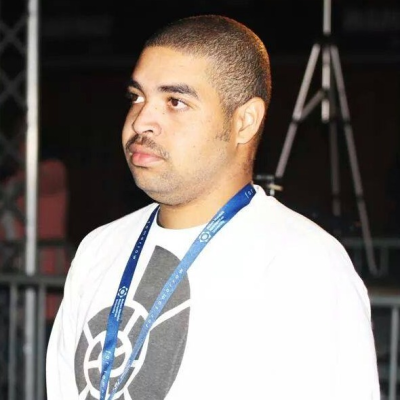
The Together Project provided photographs and offered interviews for this story.
The group will use the conference platform to exchange practical learning with community organisations, practitioners, policymakers and funders, and to explore partnerships to adapt or expand the model elsewhere in the region.
Newzroom dot Africa has reached out to The Together Project and Department/Unit of Psychiatry, University of Cape Town for comment and is awaiting a response. This story will be updated when they respond.