Mfangano Island residents repair clinic road, housing and power; visits and immunisations rise
Residents of Yokia Beach pooled funds and worked with Lwala Community Alliance and Homa Bay county to repair the road to Yokia Health Center, finish staff housing and connect the clinic to...
11:57 - 3 min read
Residents of Yokia Beach on Mfangano Island pooled money and worked with Lwala Community Alliance and Homa Bay county to repair the road to Yokia Health Center, finish staff housing and connect the clinic to electricity. Lwala says use of the facility increased between 2024 and 2026. Lwala published its account on 18 November 2026.
How the community fixed the clinic
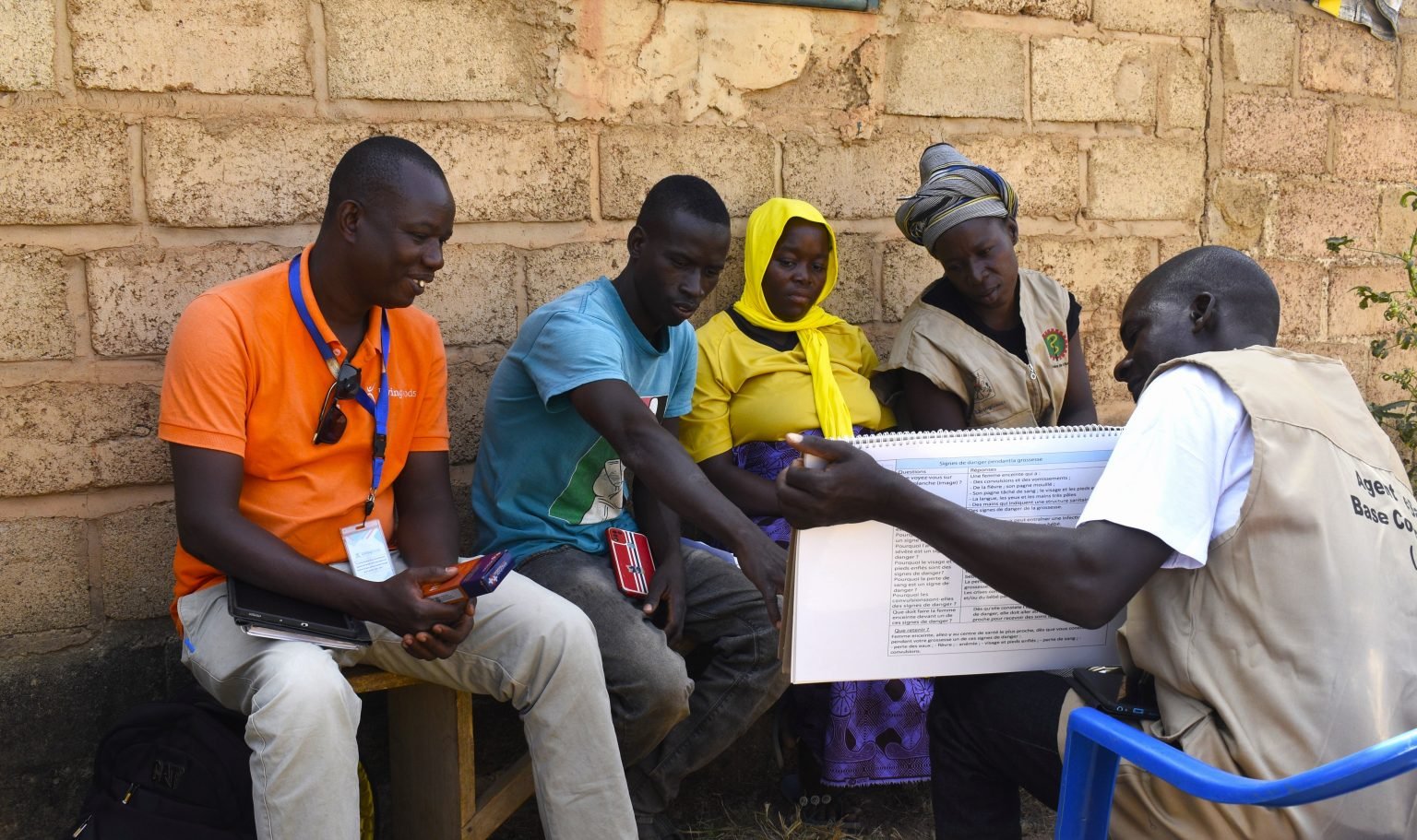
Yokia Health Center serves about 1,500 people on Mfangano Island, on the shores of Lake Victoria. According to Lwala, the community completed staff housing, financed the facility's electrical wiring and had Kenya Power and Lighting install a meter, and the county government then provided lighting for the delivery room and a solar-powered refrigerator to keep medicines cold. Lwala says it expanded its community-led model to Homa Bay County in May 2024 and that, working with county teams, it now reaches about 1.2 million people across the county.
Reading Lwala's account, I was struck by how many practical barriers a small community addressed itself. A passable road makes ambulances and referral transport possible, a place for staff to sleep helps retain clinicians on remote islands, and reliable power and a refrigerator mean medicines and vaccines can be stored safely. Lwala also reports that the facility's in-charge, Moraa Meroka, completed Lwala-supported training in emergency maternal and newborn care, skills that matter on an island where reaching a larger hospital can take valuable time.
What the numbers say
Lwala gives concrete service changes at Yokia between 2024 and 2026: child wellness visits up 10%, family planning visits up 42%, childhood immunisation up 50%, and new antenatal care visits up 22%. Those percentage changes are Lwala's figures comparing service use between 2024 and 2026 after its expansion into Homa Bay in May 2024, and appear in Lwala's published account of the work.
These service-change figures, the roughly 1,500 Yokia catchment number, the 2,970 CHW total and the 34% national household-visit comparator are Lwala Community Alliance's programme and routine data and have not been independently verified by Newzroom dot Africa.
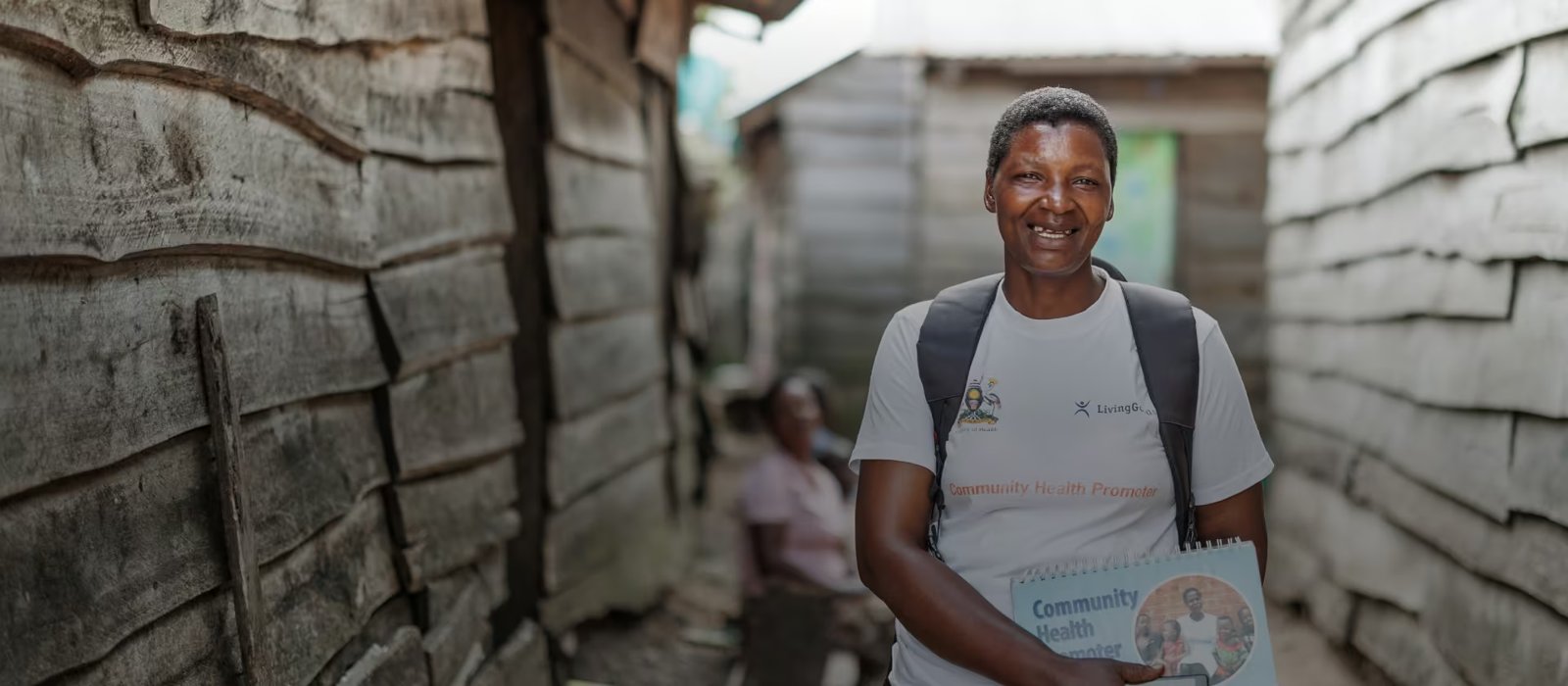
Lwala also reports that, across Homa Bay, it has supported about 2,970 community health workers (CHWs), that CHWs have registered 98% of households in the county, and that CHWs visit on average 60% of households each month; Lwala contrasts that with 34% household visits reported nationally. These are Lwala's reported results from its programme activities and routine data collection.
Community-led health in context
The Yokia example fits the model Lwala describes across Homa Bay: community health committees set priorities and work with facility staff and county leaders to fix gaps in infrastructure and services. The practical fixes named in Yokia - road repairs, staff housing, electricity and a solar refrigerator - are the kind of local investments that make a small clinic reliably available for births, routine child and wellness visits, and vaccine storage.
That combination of community action, facility training and county support is what Lwala says sustained the changes at Yokia. Lwala says local governance, a trained facility in-charge, and paid and supervised CHWs raise use of primary care services in remote island settings.
This story is based on Lwala Community Alliance's account of its work at Yokia Health Center, published on 18 November 2026, and on the figures it provides for 2024 and 2026.
Newzroom dot Africa has reached out to Lwala Community Alliance and Kenya Ministry of Health for comment and is awaiting a response. This story will be updated when they respond.
Source: Lwala Community Alliance