South Africa urges faster disability employment in public and private sectors
Minister Sindisiwe Chikunga calls for accelerated employment equity and inclusive workplaces during SARS Deaf Accessibility launch.
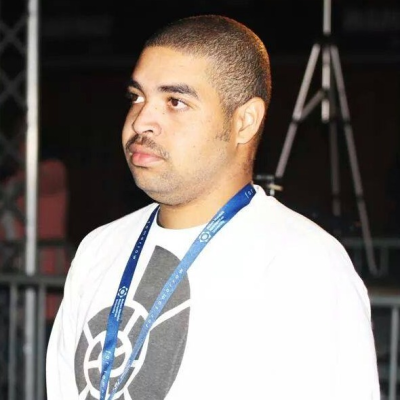

The South African government is intensifying efforts to expand employment opportunities for persons with disabilities, urging public institutions and private companies to meet and exceed employment equity targets. Minister in the Presidency for Women, Youth and Persons with Disabilities, Sindisiwe Chikunga, made the call during the launch of the South African Revenue Service (SARS) Deaf Accessibility and Cohort Programme in Pretoria.
Chikunga praised SARS for implementing practical measures that improve communication access, skills development, and service delivery for deaf individuals, describing the programme as an example of translating inclusion from principle into practice. She highlighted that disability inclusion is a constitutional requirement supported by South Africa's laws and international agreements, including the United Nations Convention on the Rights of Persons with Disabilities and the African Disability Protocol.
The launch coincided with Disability Rights Awareness Month (DRAM), observed from 3 November to 3 December, culminating on the International Day of Persons with Disabilities. This year's theme is "Creating Strategic Multi-Sectoral Partnerships for a Disability-Inclusive Society." Chikunga stressed the need for partnerships across government, private sector, and civil society to remove barriers to full participation in social and economic life.
She warned that challenges in education, such as inaccessible infrastructure, lack of assistive devices, and a shortage of qualified South African Sign Language teachers, often persist into the workplace. The Minister also noted the potential of technologies like artificial intelligence, automated captioning, sign language recognition, and speech-to-text tools to improve access, but stressed the need for investment to ensure equitable benefits.
Chikunga proposed collaborations between her department and SARS, including developing dedicated employment streams for persons with disabilities. She also called on State-Owned Enterprises (SOEs), Sector Education and Training Authorities (SETAs), and industry associations to allocate Corporate Social Investment budgets to improve special schools.
Regarding employment equity, the National Development Plan targets 7% representation of persons with disabilities by 2030. Cabinet approved a one percentage point annual increase, aiming for 5% in 2026/27. Chikunga said her department has already reached 5.56% representation. She warned that organisations treating employment equity as mere compliance will be publicly named and shamed.
Here's our concern: while the department's claim of reaching 5.56% disability representation is positive, we need to see whether this translates into real, sustainable jobs for persons with disabilities across the country. With challenges like lack of assistive devices and qualified sign language teachers still prevalent, we would like to know how investments will address these gaps, especially in rural areas where infrastructure and connectivity are limited.
The department is working on a database to help identify qualified candidates with disabilities. The Minister also encouraged procurement from Supported Employment Enterprises, which provide jobs for persons with disabilities. She spoke under the theme: "Every Hand has a Voice - Shaping an Inclusive Future."
Sources
Source: SAnews


