Pointe-Noire accounted for 89% of the Republic of the Congo's mpox cases as community workers reached 74,260
Pointe-Noire reported 113 of the Republic of the Congo's 127 confirmed mpox cases in 2026, and the WHO-supported teams mobilised 24 community health workers who reached 74,260 people in September...

Published: 25 November 2026
Pointe-Noire reported 113 of the Republic of the Congo's 127 confirmed mpox cases in 2026, about 89% of the national total, the WHO reported, while the WHO-supported teams in the city mobilised 24 community health workers who reached 74,260 people in awareness activities from 2 to 26 September.
The work, funded by the Government of Japan, aimed to improve mpox detection and prevention in the port city by bringing messages closer to communities and strengthening reporting.
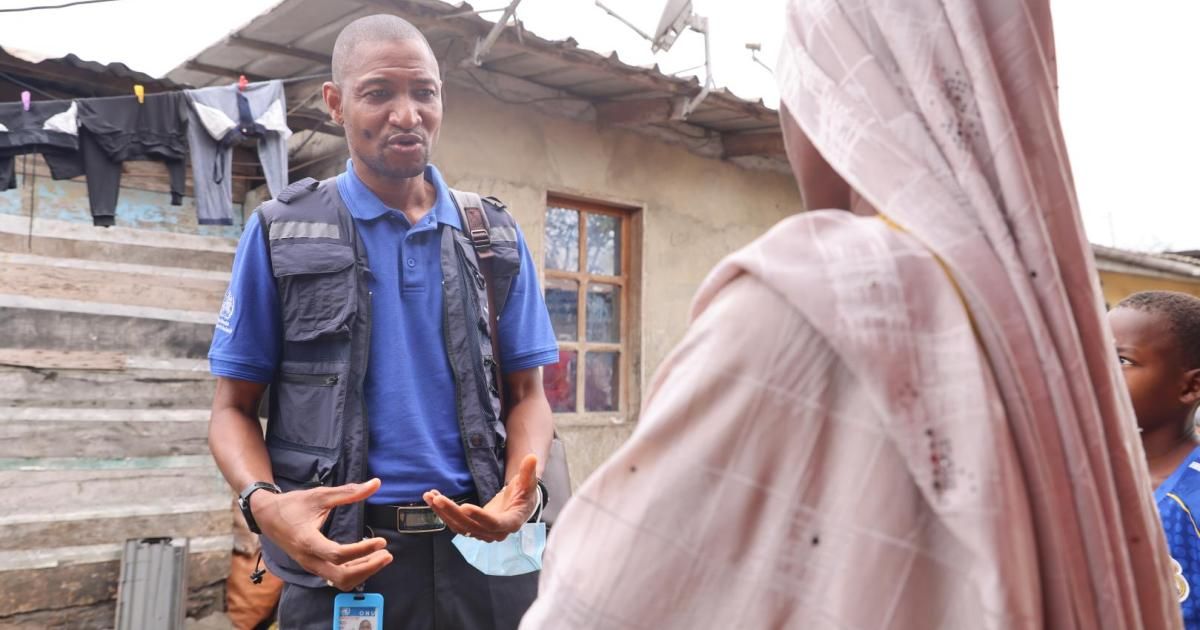
Activities were carried out across Pointe-Noire's six health districts - Lumumba, Loandjili, Tie-Tie, Mvoumvou, Ngoyo and Mongo-Mpoukou - and included household visits, work at markets, schools, places of worship and other gathering points. The campaign produced nine community alerts reported into the health system.
"To raise awareness among residents, we must first earn their trust. We need to know how to approach them, listen to their concerns and encourage them to report suspected cases," Christelle Mgami, a community health worker in Ngoyo health district, says.
Gabin Arsene Ambende, a community health worker in Mvoumvou, described the exercise as both education and training: "We now better understand how mpox is transmitted and how people can protect themselves. Our responsibility is to share this information in our neighbourhoods so that everyone can better protect themselves. A well-informed community is better prepared to prevent disease."
Marie-Pierre Makykima, Risk Communication and Community Engagement Officer at the Public Health Emergency Operations Centre, told the WHO the mobilisation must be paired with targeted interventions: "This work enables us to review ongoing interventions, identify gaps and better direct teams to the areas most affected. It is not enough to deploy community health workers; we must ensure that their interventions genuinely contribute to disease prevention and control."
mpox is a viral infection spread by close contact with an infected person or contaminated objects. It can cause fever and skin lesions.
Local reporting gives a different tally. ADIAC reported 261 cases and two deaths, and named Lumumba as a focal arrondissement in Pointe-Noire, a higher total than the WHO figures.
Dr Youba Kandako, the WHO Health Emergencies Officer in the Republic of the Congo, said: "It is essential that communities can quickly report suspected situations and that people are well informed about prevention measures. By working together with communities and health services, we can better protect populations and make our interventions more effective."
These figures underline the emphasis placed on community trust and local surveillance in Pointe-Noire as part of the response to the 2026 mpox wave concentrated in the city. Community-based surveillance and risk communication are part of broader preparedness work across the region.
Broader preparedness work has been a focus elsewhere in the region and complements the local mobilisation described here.
Source: WHO Africa