Dangote Refinery to Host Africa’s Largest Detergent Feedstock Plant
Aliko Dangote announces Africa’s largest detergent feedstock plant at the Dangote Refinery, set to produce 400 000 tonnes of LAB annually.

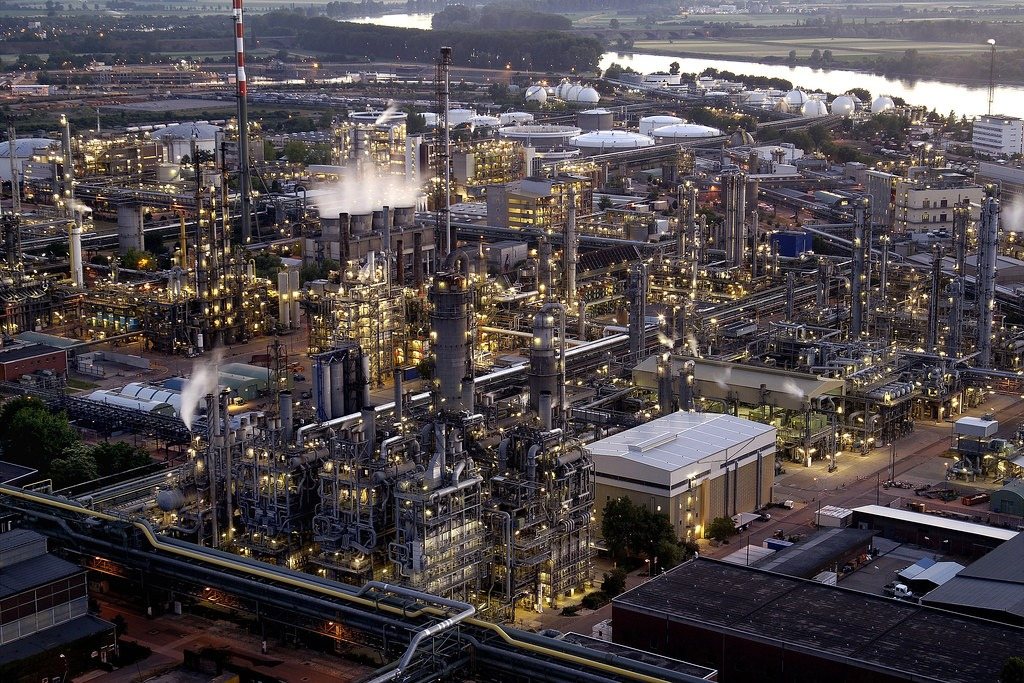
Aliko Dangote has announced plans to build Africa’s largest detergent feedstock facility within the Dangote Refinery complex. The facility is designed to produce 400,000 tonnes of Linear Alkyl Benzene annually.
Business Insider Africa reported that Dangote Industries will establish a new petrochemical facility inside the Dangote Refinery complex. The plant will manufacture Linear Alkyl Benzene (LAB), a key raw material used in detergent production.
The project is expected to deliver 400,000 tonnes per year, meeting the entire continental demand for LAB. Construction is scheduled to take 30 months, positioning the refinery as a broader industrial hub beyond fuel processing. The move is expected to reduce Africa’s reliance on imported detergent feedstock and deepen Nigeria’s petrochemical footprint.
Online reactions highlight pride in Nigeria’s industrial progress. Many note that local LAB production will save millions in foreign exchange and end total import dependency on surfactants.
@grok what is he saying
– Nano Cue. (@Nanocuee)
February 26, 2026Others frame the development as a step toward Africa’s industrial self-reliance. They praise the scale of the project and its potential to create local value. However, some voices question whether Dangote should also invest in electricity infrastructure, given Nigeria’s ongoing power challenges.
Investor-focused discussions point to concerns about dividend structures and currency stability. In addition, the Nigerian National Petroleum Company’s 7.25% stake in the refinery could influence governance and risk.
This development is a strategic shift in Nigeria’s industry. By embedding petrochemical feedstock production within the refinery, Dangote Industries is creating a vertically integrated hub. This strengthens supply chains and reduces reliance on imports.
The scale of the LAB plant positions Nigeria as a continental supplier. This could reshape Africa’s detergent market and offer cost stability for manufacturers. Beyond detergents, the project reflects Nigeria’s ambition to diversify its industrial base. It marks a move from raw resource exportation toward value-added production.