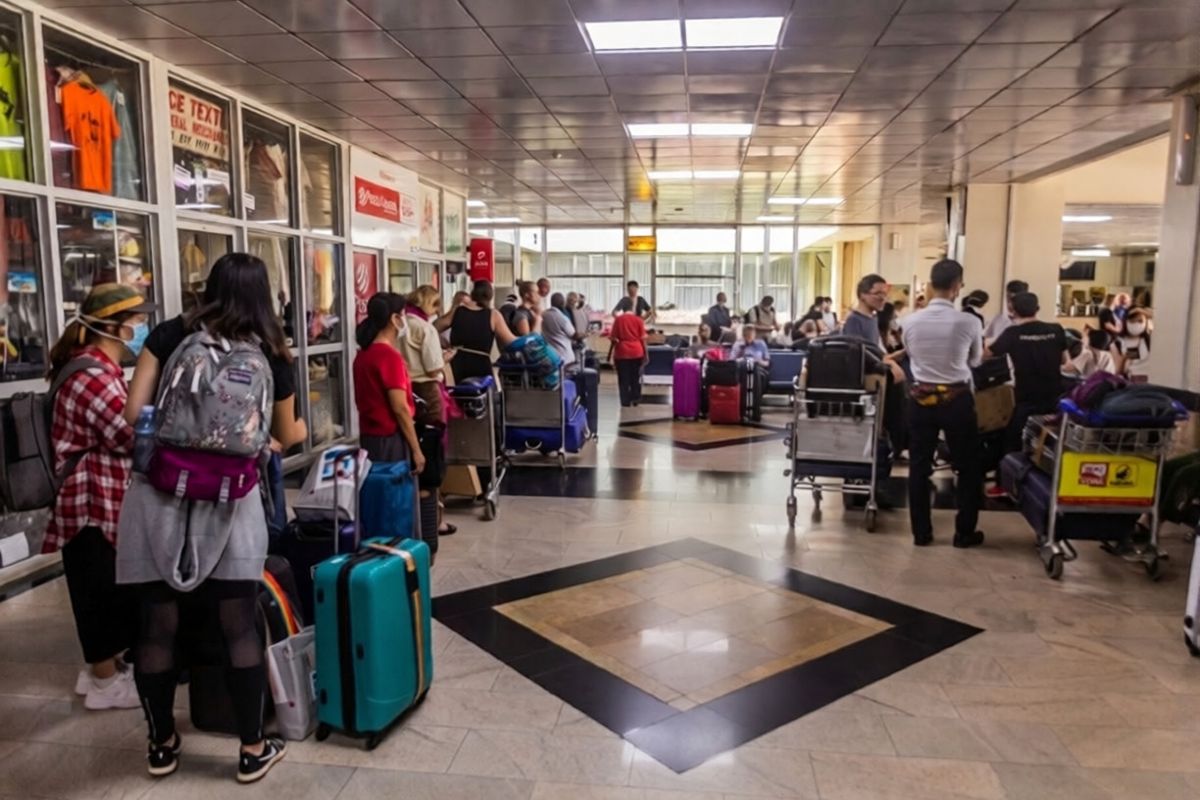
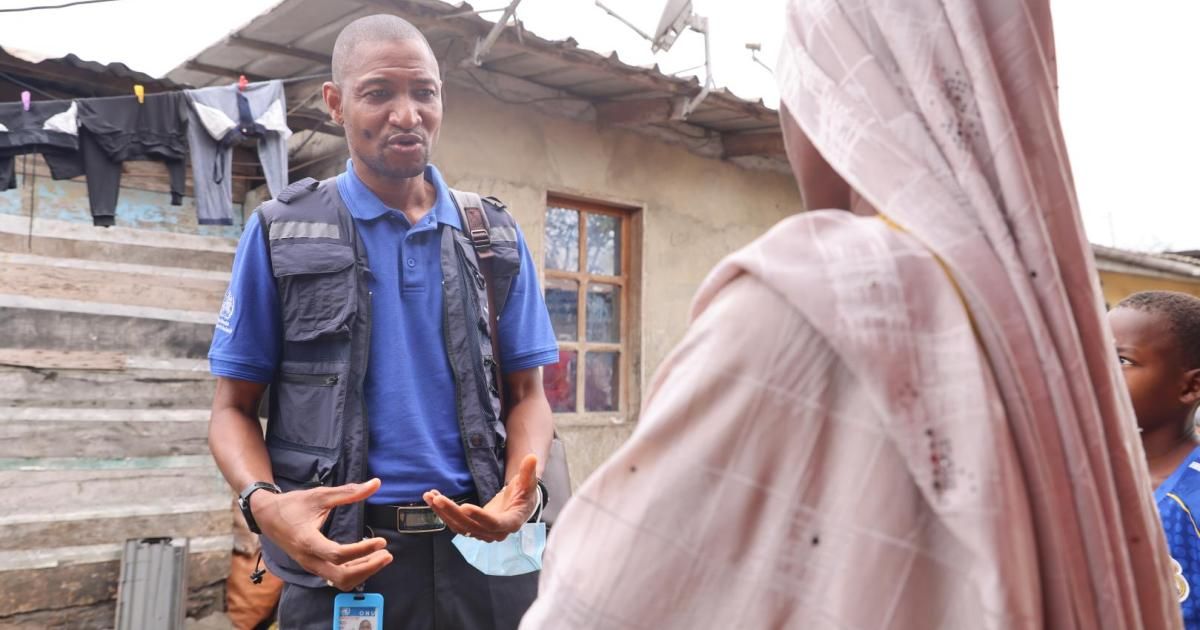
Baidoa famine risk eases but 5.3 million Somalis still face severe food shortages, UN-backed IPC says
The UN-backed IPC says Baidoa is no longer at immediate risk of famine but warns 5.3 million people in Somalia will face severe food insecurity from October to December 2026.

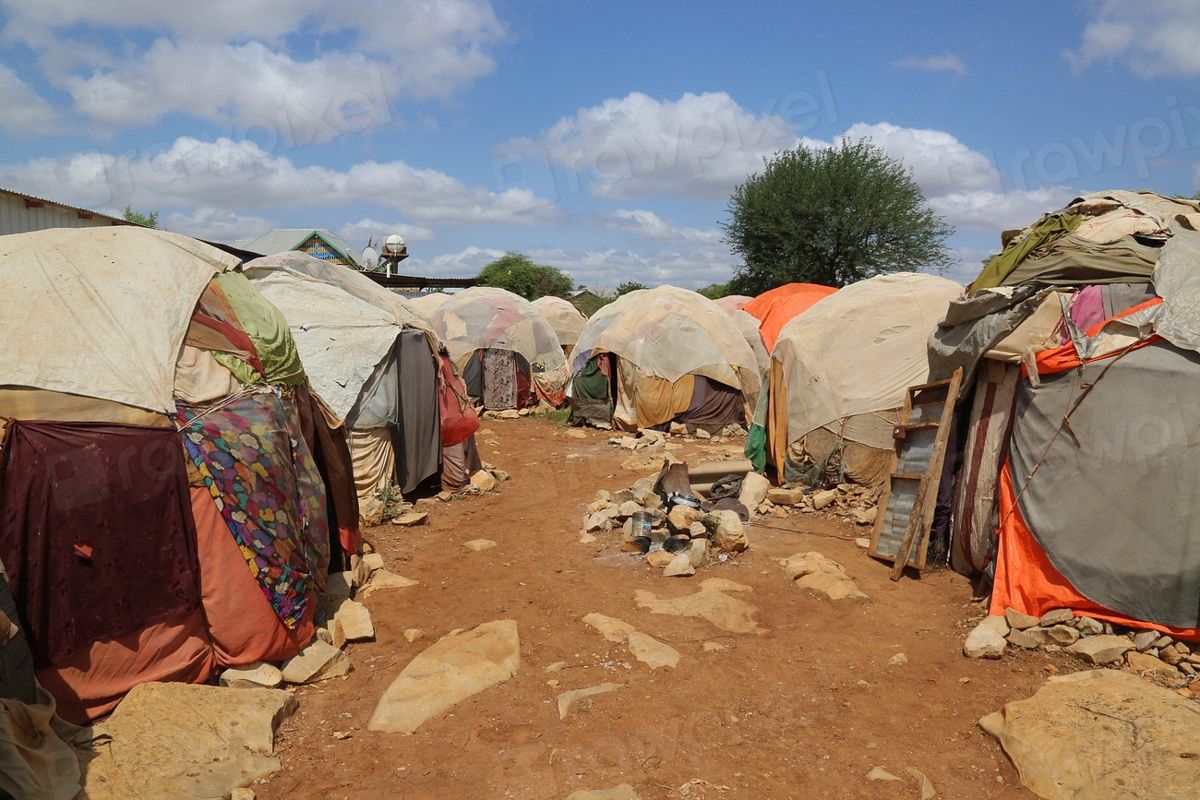
According to the IPC November 2026 update (IPC country analysis for Somalia), about 5.3 million people in Somalia will face Crisis (IPC Phase 3) or worse between October and December 2026; that update is also summarised by UN News.
The IPC uses a five-phase scale to classify food insecurity, with Phase 5 meaning famine. The November 2026 update adjusted conditions for internally displaced people (IDPs) in Baidoa: the area remains in Emergency (Phase 4) for acute food insecurity, and acute malnutrition levels remain critical. The analysis says the plausible worst-case scenario of extreme El Nino-induced flooding and displacement had not materialised and is unlikely to occur before the end of 2026.
According to the IPC November 2026 update, another 7,000 children are expected to suffer from malnutrition between July 2026 and June 2027, bringing the total number of children affected or expected to be affected to about 1.92 million. Of these, roughly 437,000 children are expected to face severe malnutrition; the IPC update attributes these figures to its November 2026 analysis.
OCHA's Humanitarian Needs and Response Plan 2026 says 4.8 million people in Somalia are in need of humanitarian assistance in 2026; humanitarian partners plan to target 2.4 million people, and the response prioritises 1.6 million people facing extreme intersectoral Severity 4 needs across 21 priority districts. OCHA sets a 2026 funding requirement of USD 852 million for the humanitarian response.
UNFPA Somalia says the crisis deepened in 2026 and that women and girls are disproportionately affected, with sexual and reproductive health and gender-based violence services reduced in many areas. UNFPA says it requires USD 27 million to reach about 557,600 people with life-saving services.
Local and agency perspectives underline what the numbers mean in daily life. Kate Phillips-Barrasso, Vice President of Global Policy and Advocacy at Prosper Global, who recently returned from Somalia, said Somalia was bracing for El Nino with families already going hungry and services they depend on disappearing. She said that at a crowded health centre outside Mogadishu she had seen mothers waiting to have their children checked for malnutrition, including one who had walked nine kilometres with her child, and that she had heard about another mother feeding her children weak tea because it was all she had. See Prosper Global's briefing for the full account.
For local context on El Nino preparedness and what it means for farming and food supplies, see our earlier coverage: El Nino and agricultural preparedness in East Africa.
I cover humanitarian crises in the Horn of Africa. The statistical easing for Baidoa does not change the day-to-day reality for many families: treatment services and aid remain stretched and millions remain at risk unless funding and access improve.
This story is based on the IPC November 2026 analysis, and situation documents from OCHA, UNFPA and Prosper Global.
Source: UN News Africa