African Development Bank approves EUR 20 million for low-carbon cement complex near Abidjan
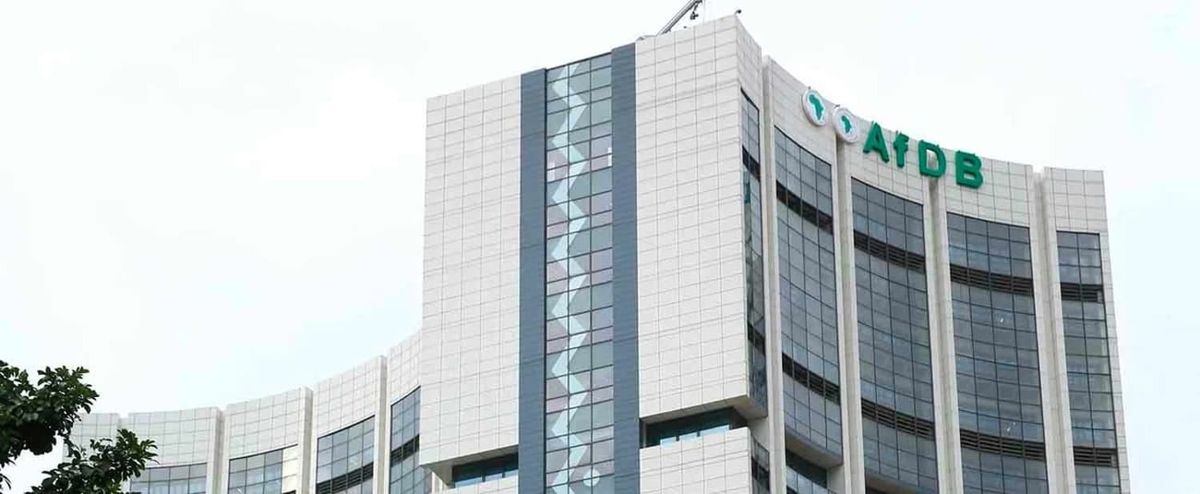
The African Development Bank has approved EUR 20 million to help build an LC3 cement complex in Attingue that will use local clay to cut clinker imports and lower CO2 from cement production.
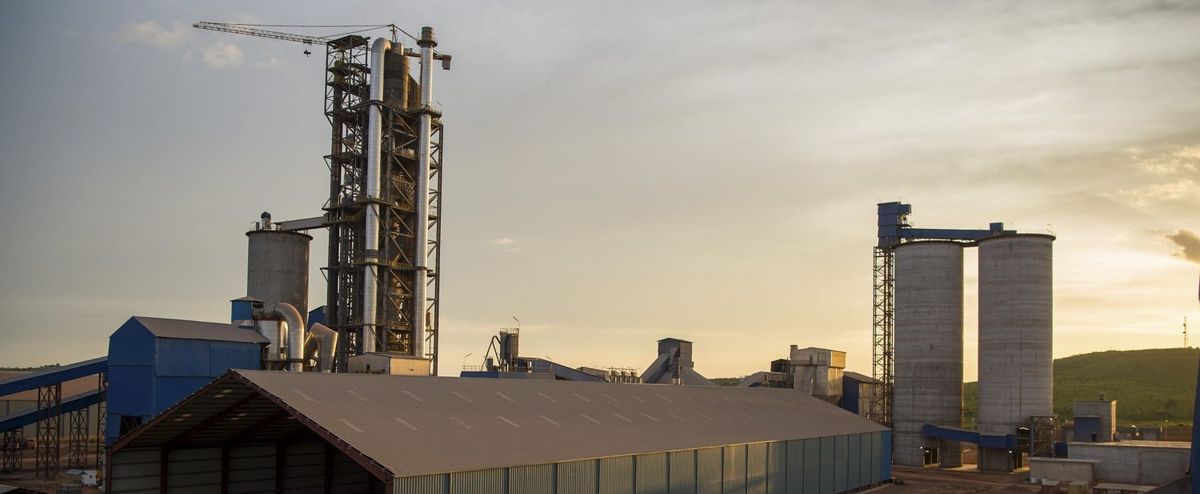
The Board of Directors of the African Development Bank Group has approved EUR 20 million in financing for Ciments ecologiques de Cote d'Ivoire (CIMECI), a YESHI Group company, to build a low-carbon cement production complex in Attingue, north of Abidjan, the bank said in a press release.
The planned complex will include a calcined-clay production plant with an annual capacity of about 350,000 tonnes and a grinding plant with capacity of up to 500,000 tonnes of cement. The project will use locally sourced clay and limestone to produce limestone calcined clay cement, known as LC3.
The bank says replacing part of the clinker with LC3 will lower Cote d'Ivoire's reliance on imported clinker and reduce the country's exposure to supply-chain disruptions.
Solomon Quaynor, Vice President for Private Sector, Infrastructure and Industrialisation at the African Development Bank Group, said the project shows that using locally available raw materials together with private capital and lower-carbon technology can meet Cote d'Ivoire's growing construction demand without entrenching carbon-intensive manufacturing.
Khalid Iben Khayat, Managing Director, Industry Division, YESHI Group, said the technology would cut CO2 emissions compared with traditional, clinker-intensive cement and that the project aims to convert a local resource into domestically produced construction material while strengthening industrial capacity, building local technical expertise and reducing dependence on imported clinker.
The bank says the investment supports its Ten-Year Strategy 2024-2033, which focuses on green industrialisation and private-sector development, and frames the CIMECI project as a way to keep more value inside the Ivorian economy by sourcing clay locally, building local expertise and supplying cement for housing, commercial construction and public infrastructure. The announced capacities indicate the complex is sized to serve domestic demand and to reduce imports of clinker.
This story is based on an African Development Bank Group press release.
As someone who follows Africa's push for lower-carbon industry, I see the AfDB approval as the kind of public backing that can make lower-emission building materials commercially viable at scale, provided the plant meets its production and sourcing goals and develops local technical expertise.
Newzroom dot Africa has reached out to African Development Bank Group and YESHI Group / Ciments ecologiques de Cote d'Ivoire for comment and is awaiting a response. This story will be updated when they respond.
Newzroom dot Africa has reached out to African Development Bank Group, YESHI Group / Ciments ecologiques de Cote d'Ivoire and Ecole Polytechnique Federale de Lausanne for comment and is awaiting a response. This story will be updated when they respond.
Source: African Development Bank