AfDB launches programme to help governments improve sovereign credit ratings
The African Development Bank has launched a continent-wide programme, run by the African Legal Support Facility, to help governments strengthen the data, institutions and skills that shape...

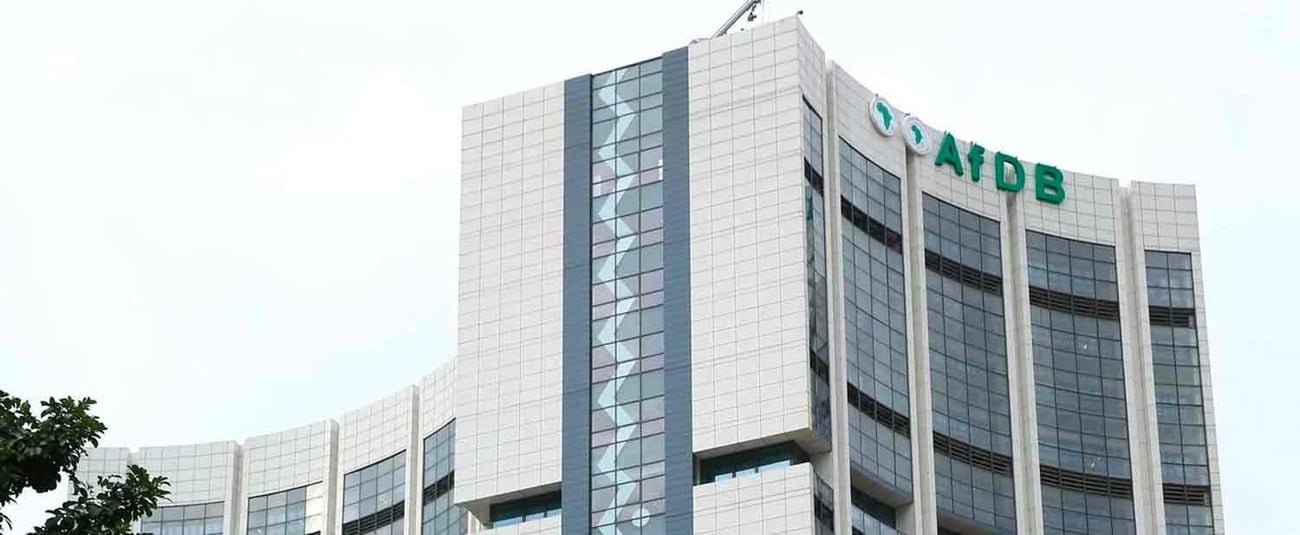
The African Development Bank (AfDB) has launched a continent-wide programme to help governments improve sovereign credit ratings by strengthening the data, institutions and skills they use when engaging credit rating agencies. The initiative will be implemented by the African Legal Support Facility (ALSF), which is hosted by the AfDB, and forms part of the Bank Group's New African Financial Architecture for Development (NAFAD). The launch took place in Abidjan.
AfDB President Dr Sidi Ould Tah said sovereign ratings shape investor decisions and borrowing costs. He said the initiative would not itself create a sovereign rating but would strengthen the underlying factors that support one. He said that if a country's risk is judged higher than it is, interest payments rise and less is available for medicines, nurses and hospital beds, affecting people such as a mother waiting for a clinic, a farmer waiting for a road and a young graduate waiting for a job.
The programme will offer practical tools, training, country-specific advisory support, online learning and rapid specialist assistance. It will support countries seeking their first sovereign rating as well as those already rated, and aims to improve the quality and availability of financial and economic data and the coordination among government institutions.
The AfDB said only 30% of African countries hold ratings from all three major global agencies (Standard & Poor's, Moody's and Fitch) and 19 African countries have no current rating from any of the three, a gap that limits access to mainstream international bond markets. The UN Economic Commission for Africa has previously estimated persistent risk premia cost the continent roughly $75 billion a year in excess interest payments.
The Bank says the programme will build on and complement other continent-wide work, including the Africa Credit Rating Agency (AfCRA) launched in October 2026 by the African Union with UN and regional partners. AfCRA - headquartered in Mauritius and set up as a private-sector driven, independent ratings body - aims to add African data and perspective to sovereign and corporate assessments.
Independent research and recent cases show ratings affect what governments pay to borrow. Reporting around AfCRA's launch noted that downgrades can push bond prices sharply lower - for example, Senegalese bonds fell to around 60 cents on the dollar after a series of downgrades - and the 2025 dispute between Afreximbank and Fitch underlined how methodological differences and perceived risk can influence market access and pricing. IMF and World Bank studies have shown a statistically significant relationship between sovereign credit ratings and emerging-market bond spreads, and that sovereign ratings often act as a ceiling for sub-sovereign and corporate borrowing costs.
The AfDB said the initiative would work in collaboration with its financial and technical partners, and that the ALSF would draw on its experience advising governments on borrowing and debt management. The launch text does not list named partners or say who will pay for intensive country-level advisory work.
Outstanding questions include how the AfDB and the ALSF will coordinate with AfCRA and other rating bodies across the continent; whether and how the AfDB platform will help countries take the step of getting a first sovereign rating, including who would fund an actual rating exercise; and who will fund the intensive, country-level advisory work needed to close data and institutional gaps.
The Initiative places particular emphasis on informed decision-making at an early stage, including whether, and when, it is appropriate for a country to seek a sovereign credit rating or access international commercial markets, taking into account debt sustainability and repayment capacity. The ALSF will draw on its experience in government borrowing, debt management and advising countries, alongside the AfDB's technical expertise and ability to bring governments, investors and other partners together.
The programme is a step toward giving governments more room to invest in development, but its impact will depend on whether it can be financed at scale, coordinate with the new African rating body, and persuade international investors to value improved information and analysis differently than they do now.
Newzroom dot Africa has reached out to African Union and Moody's for comment and is awaiting a response. This story will be updated when they respond.
Source: African Development Bank