Western Cape launches AI and digital skills training across libraries and e-centres
The Western Cape Government and Microsoft have launched CAPEability AI to offer digital and AI training, employability support and an AI-assisted CV tool through 83 e-centres and 375 public library...
The Western Cape Government and Microsoft have launched CAPEability AI, a programme that will use the province's 83 e-centres and 375 public library service points to deliver digital and AI training, employability support and an AI-assisted CV tool aimed mainly at 18 to 35-year-olds. Microsoft announced the programme on 17 November 2026.
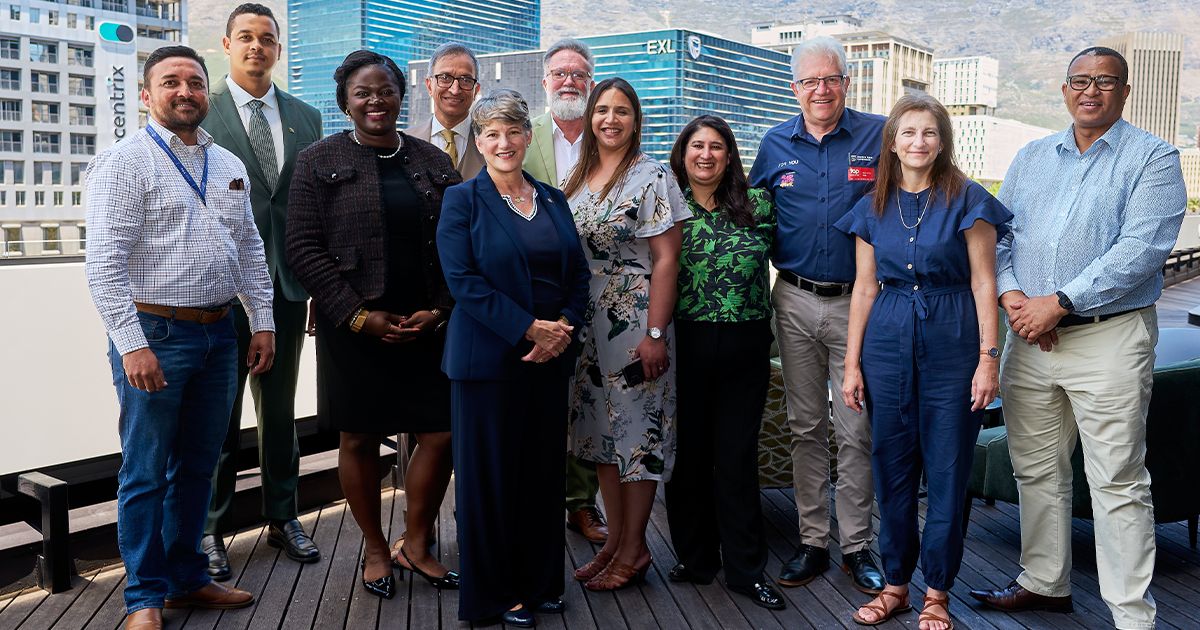
Representatives from Microsoft and the Western Cape Government at the CAPEability AI launch, Cape Town, 17 November 2026. Photo: Microsoft/Western Cape Government.
The programme combines basic digital literacy and productivity learning with Microsoft Copilot and other AI content, plus career-readiness and entrepreneurship support, and links learners to further training and credentials. It is designed to run from existing community sites rather than by building new training centres, bringing learning closer to communities across the province.
CAPEability AI is presented as part of the Western Cape's Growth for Jobs Strategy 2023-2035, which aims to lift long-term growth by strengthening skills, technology and a connected economy. The strategy targets economic growth of between 4% and 6% by 2035 and stresses that skills and industry partnerships are central to creating jobs at scale; see our story on Teraco opening an AI test lab in South Africa.
The launch underlined how quickly demand for AI skills is rising in South Africa. Job site Pnet has reported a 352% increase in advertised AI roles since 2019, with the Western Cape accounting for almost a quarter of those adverts. Microsoft's Global AI Diffusion research ranked South Africa 46th out of 147 economies in early 2026, a measure the partners cite to show why broader participation is needed.
Microsoft says its own AI Skilling work has reached large numbers: the company reported its AI Skilling Initiative reached 36 million people in its first year and that more than 1.9 million South Africans have been trained to date. CAPEability AI is described as a local pathway that can connect learners to those broader Microsoft resources and credentials.
The announcement gives few operational details. It does not publish an enrolment target for the Western Cape, a first-cohort size, or a timetable for when sessions will start at particular e-centres or libraries. It also does not say who will pay for ongoing local delivery beyond the partners named at the launch, or list concrete employer or placement partners that will turn training into internships or jobs.
That absence matters because public libraries and community access points depend on municipal and provincial funding.
Missing details include how many Western Cape residents will be enrolled, how the programme will be funded locally and who will pay for ongoing delivery, whether employers or placement partners are committed to translate training into jobs, and a timetable showing where and when sessions start.
Western Cape Premier Alan Winde welcomed the initiative and said at the launch that an AI economy must not be limited to residents with the best devices, connectivity, education or professional networks, and that CAPEability AI should help give young people the skills to thrive in a changing job market.
Tiara Pathon, AI Skills Director at Microsoft Elevate, said at the launch that the programme should be judged by what learners can do with their new skills - for example becoming more employable, more productive as entrepreneurs, or more confident in using AI - and that combining the Western Cape government's community reach with Microsoft's technology and learning resources can make AI opportunities more accessible.
The programme places particular emphasis on young people aged 18 to 35, including unemployed youth, jobseekers and those experiencing barriers to digital participation. Rather than creating new physical training infrastructure, it builds on existing public libraries and e-centres that can provide technology, connectivity and community support, while adding structured AI learning and employability support.
CAPEability AI will look beyond participation numbers to understand whether learning leads to meaningful progress, including course completion, improved digital literacy and progression into further learning, entrepreneurship support, internships and employment. Learner feedback will inform regular programme reviews as technology and community needs evolve. The longer-term ambition is for technological change to expand rather than restrict opportunity.
Newzroom dot Africa has reached out to Western Cape Government for comment and is awaiting a response. This story will be updated when they respond.
Source: Microsoft EMEA