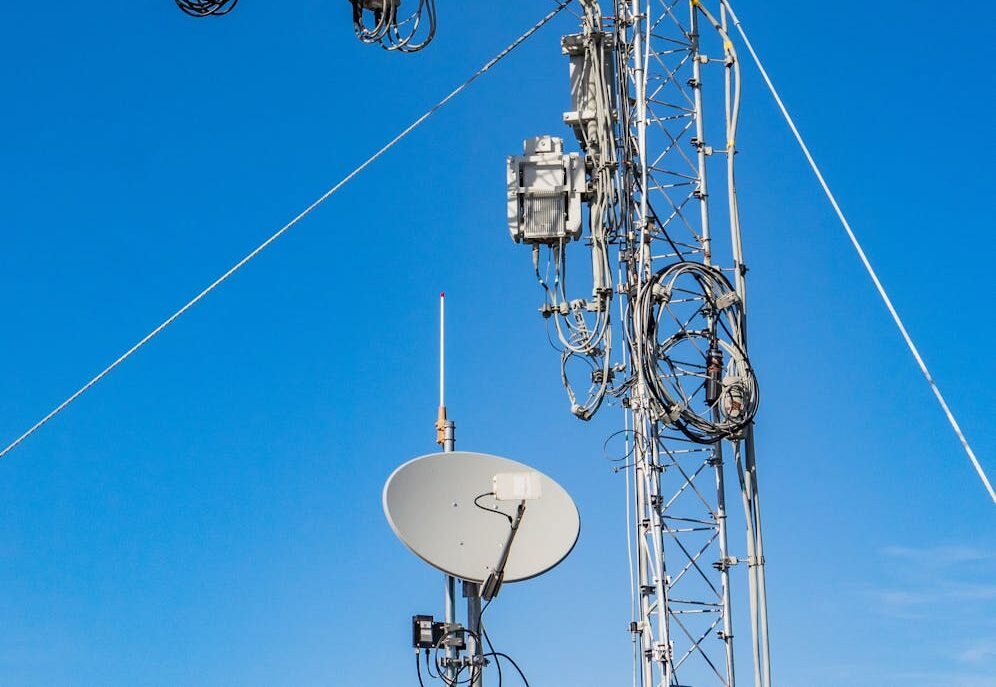
Zimbabwe advances digital push with new ZIMSAT‑3 satellite
Zimbabwe advances digital push with the new ZIMSAT‑3 satellite to enhance connectivity and support broadband expansion.

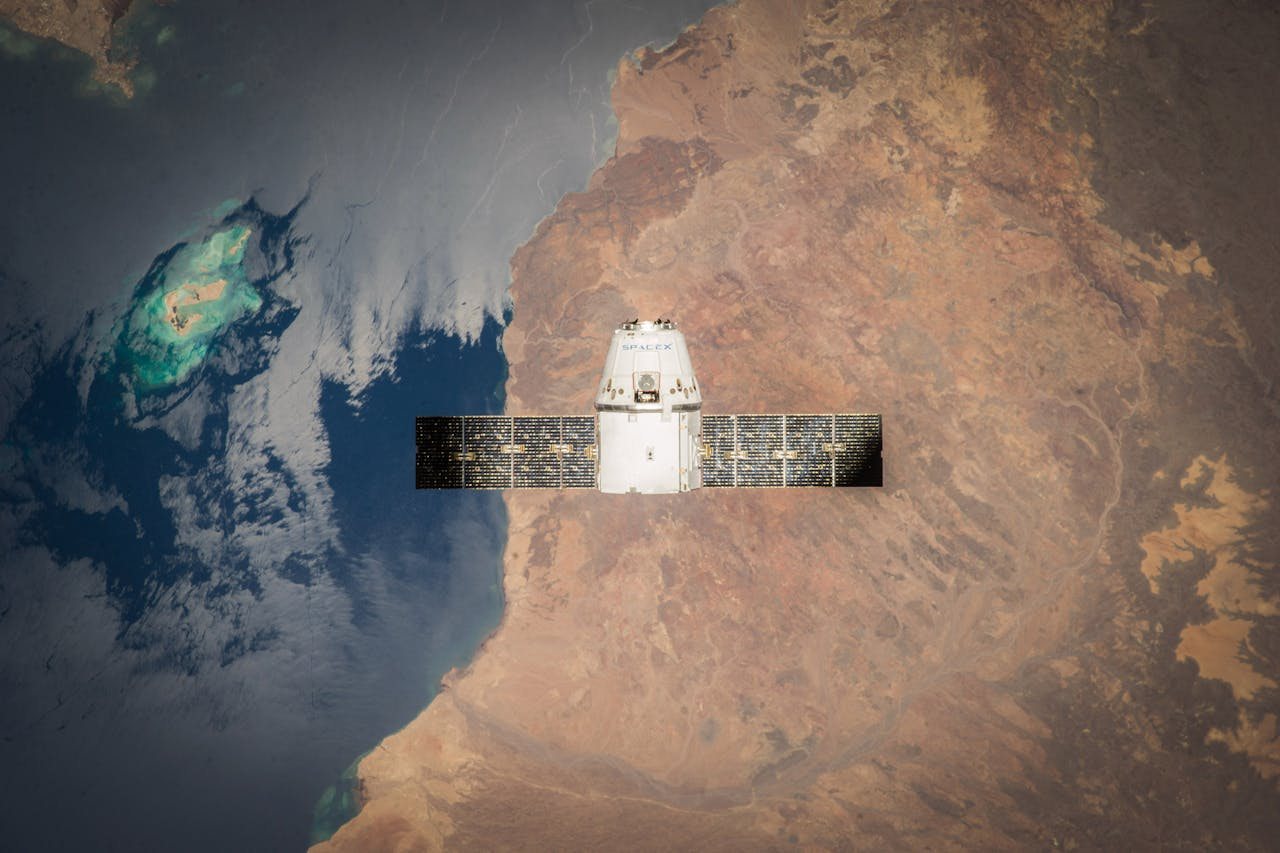
Zimbabwe is preparing the launch of ZIMSAT‑3. This new satellite is designed to accelerate national connectivity. It will also strengthen the country’s digital transformation agenda. The project builds on the foundation set by Zimbabwe’s first two satellites launched in 2022 and 2024. The government sees this third satellite as a significant step in expanding digital access across all provinces, especially underserved areas. (Digital Business Africa (9 Jan 2026), GSMA, ITU, DataReportal)
ZIMSAT‑3 is part of the upcoming National Development Strategy 2 (NDS2) for 2026 to 2030. Government documents describe the satellite as a key pillar of Zimbabwe’s broader digital ambition. Officials say it will support broadband expansion and improve access to essential digital services in both rural and urban communities.
Zimbabwe announced in March 2024 that it was exploring partnerships with several international satellite service providers. The goal was to extend network coverage and improve service quality. These discussions aim to address high internet costs and persistent gaps in rural connectivity.
NDS2 also outlines a wider infrastructure programme intended to complement ZIMSAT‑3. The plan includes new high‑speed fibre routes in urban, peri‑urban and rural areas. It also targets faster mobile broadband rollout and solar‑powered digital kiosks for off‑grid communities. The proposal encourages telecom operators to share infrastructure to reduce costs and accelerate national coverage.
Satellite adoption is growing across sub‑Saharan Africa. Many countries see it as an effective tool to close the digital divide, especially in remote regions where terrestrial networks are costly and difficult to deploy. The GSMA notes that the region has some of the most challenging terrain for mobile operators. These include thick rainforests, deserts, and mountain ranges.
Zimbabwe’s current connectivity levels show both progress and gaps. DataReportal estimated that the country had about 6.45 million internet users at the start of 2025. This represented a penetration rate of 38.4 percent. ITU data shows that mobile coverage in 2024 reached 93.9 percent for 2G, 87.9 percent for 3G, 51.6 percent for 4G and 15.9 percent for 5G.