Kenyan agritech wins US$50,000 Innovate Africa grant to deploy solar AI pest-detection cameras
Farmer Lifeline Technologies will use a US$50,000 Innovate Africa implementation grant to run a six-month roll-out of solar AI cameras that detect crop pests and send SMS alerts with treatment...
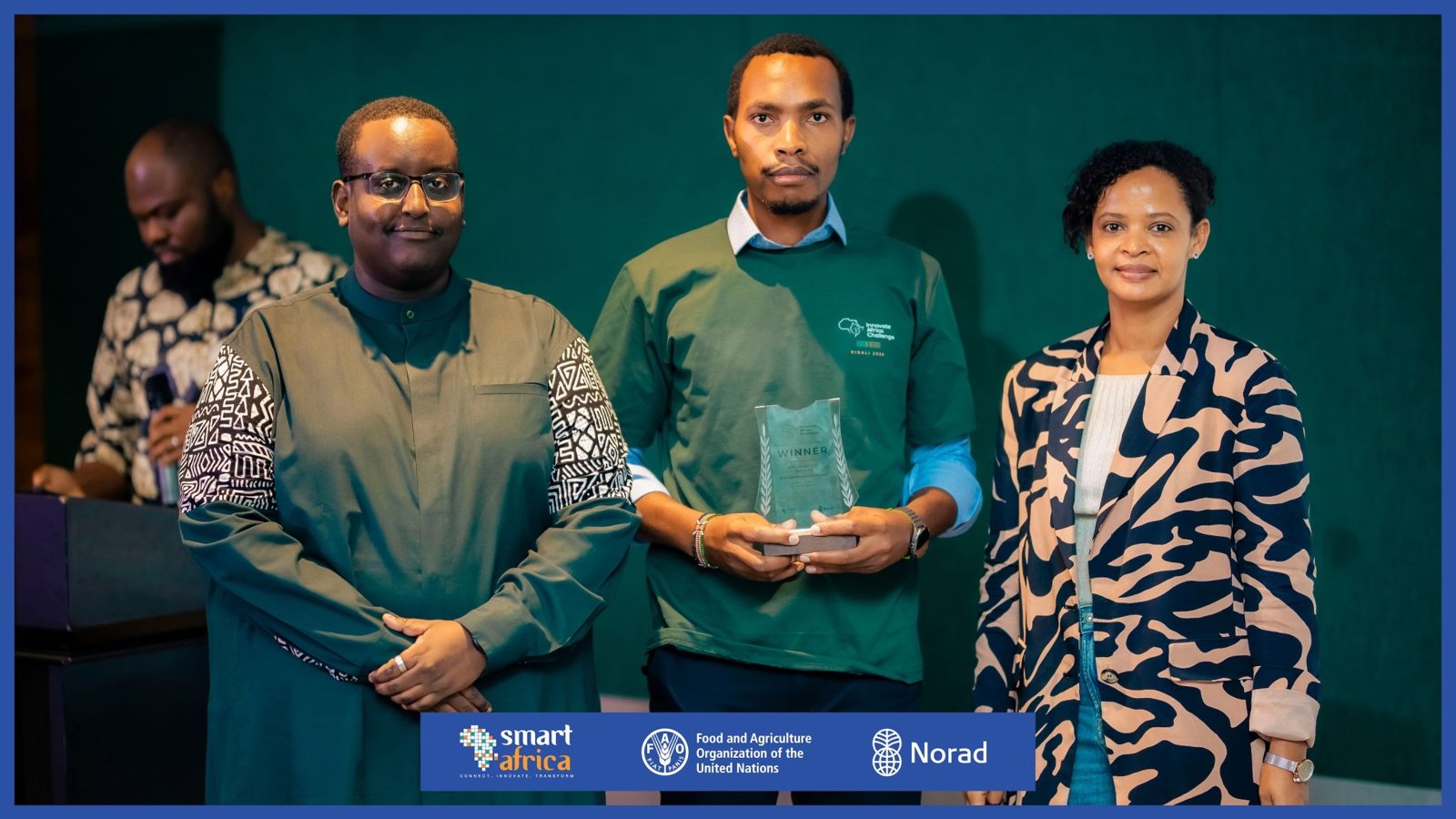
Kenyan startup Farmer Lifeline Technologies has won the third Innovate Africa Challenge and a US$50,000 implementation grant to deploy solar-powered cameras that use AI to spot crop pests and diseases and send SMS alerts with treatment advice in farmers' own language.
The funding will pay for a six-month roll-out of the system, which combines field-mounted cameras and AI models to detect early signs of infestation or disease and push short SMS advisories to farmers. Smart Africa says the implementation phase will be assessed against agreed milestones and measurable outcomes and will be carried out in partnership with national ministries, FAO country offices and other local actors.
Farmer Lifeline says the devices are permanently installed on farms, continuously scan fields, feed data into a dashboard for analysis and are configured to send tailored recommendations to farmers' phones in real time.
The programme frames Innovate Africa around validation, responsible AI and data governance: it seeks evidence that camera-based detection can deliver earlier warnings and demonstrate measurable improvements in farmer decision-making, productivity or climate resilience when used by smallholder farmers at scale.
Independent profiles and development-bank materials note Farmer Lifeline has prior pilot experience. An e4impact profile says the company completed more than 10,000 tests in six months and reached over 2,000 farmers each month during earlier work. A LinkedIn post and African Development Bank materials record that the startup previously received US$100,000 through the YouthADAPT programme, which helped it expand to more than 5,100 farmers.
Other finalists included Dream Code and Drone Link (Malawi), ACRE Africa, Caledonia Heights and Farmer Lifeline Technologies (Kenya), and eSanza, Faminga and Smartel Agritech (Rwanda).
Faminga of Rwanda and Caledonia Heights of Kenya finished as runners-up. The competition is organised by Smart Africa with support from the Food and Agriculture Organization (FAO) and the Norwegian Agency for Development (NORAD).
Speakers at the closing ceremony praised the finalists and outlined next steps.
"To our winners: congratulations. You convinced a demanding jury that your solution is ready to move from ideation to deployment. Now the harder work begins in the field with real users. We will be with you as you do it. And to the teams who did not win tonight: this is not a verdict on your idea. It is one step on a longer road," said Didier Nkurikiyimfura, Director of Emerging Technologies and AI at Smart Africa, at the closing ceremony.
"To the finalists: whether you leave today with an award or not, you have already achieved something significant, you have strengthened your solutions, challenged your assumptions, broadened your networks and demonstrated the resilience that every successful innovator needs," said Henry Van Burgstede, Senior Innovation Officer in FAO's Office of Innovation.
Jacob Maina, chief technology officer at Farmer Lifeline Technologies, said: "We are grateful to Smart Africa, FAO, and NORAD. This has been one of the biggest goals that we have had as a team."
The six-month implementation will test whether locally built AI camera monitoring can give smallholder farmers earlier warning and clearer, timely treatment advice at scale. Progress will be measured against the milestones agreed with Smart Africa and FAO, and the initiative aims to generate evidence that can inform replication and longer-term scaling across member states.
Newzroom dot Africa has reached out to Smart Africa and Food and Agriculture Organization for comment and is awaiting a response. This story will be updated when they respond.
Source: Smart Africa