Cameroonians turn to eco‑charcoal as clean cooking gains momentum
Eco‑charcoal is gaining ground in Cameroon as households seek cleaner, safer and more sustainable cooking alternatives amid deforestation and health risks.

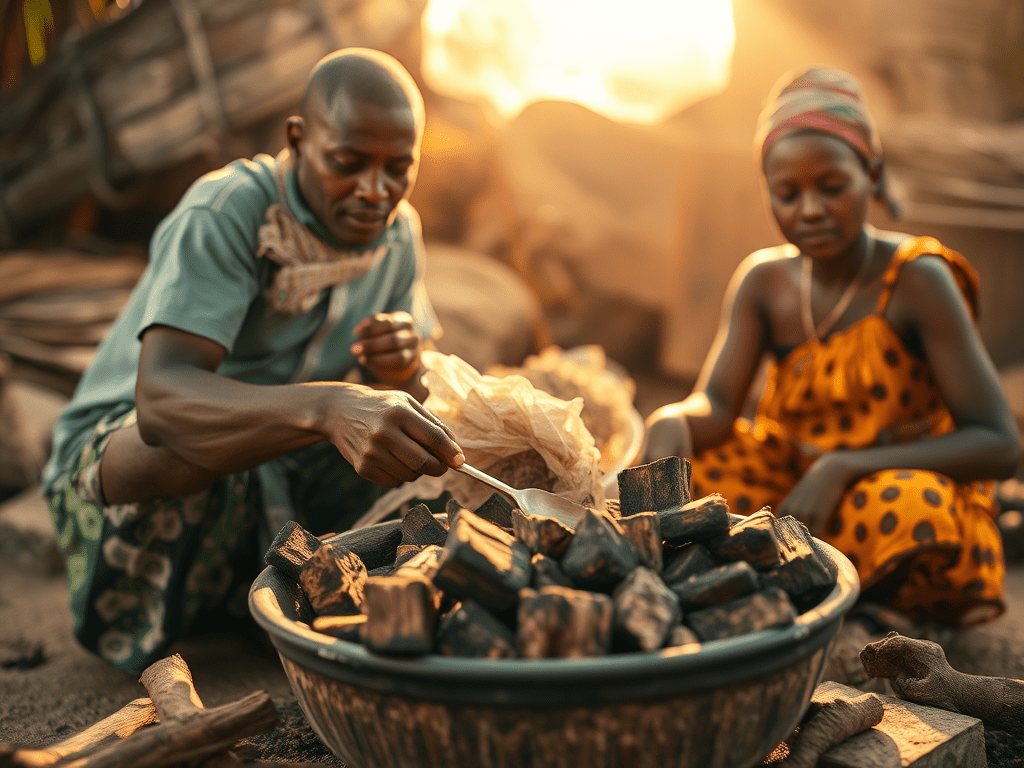
More households in Cameroon are adopting eco‑charcoal as an alternative to traditional wood charcoal. The shift is most visible in Yaounde, where briquettes produced from recycled waste are reducing reliance on wood‑based fuel. This trend is emerging as clean cooking access remains low across Sub‑Saharan Africa. Only South Africa and Gabon have high access rates at 90 percent and 91 percent. [globalvoices.org]
According to findings from 2025, burning wood for charcoal contributes to about 815,000 premature deaths each year. The health burden is highest among low and middle income countries where indoor pollution remains severe. In 2022, the World Health Organization said 2.1 billion people still lacked access to clean cooking. [globalvoices.org]
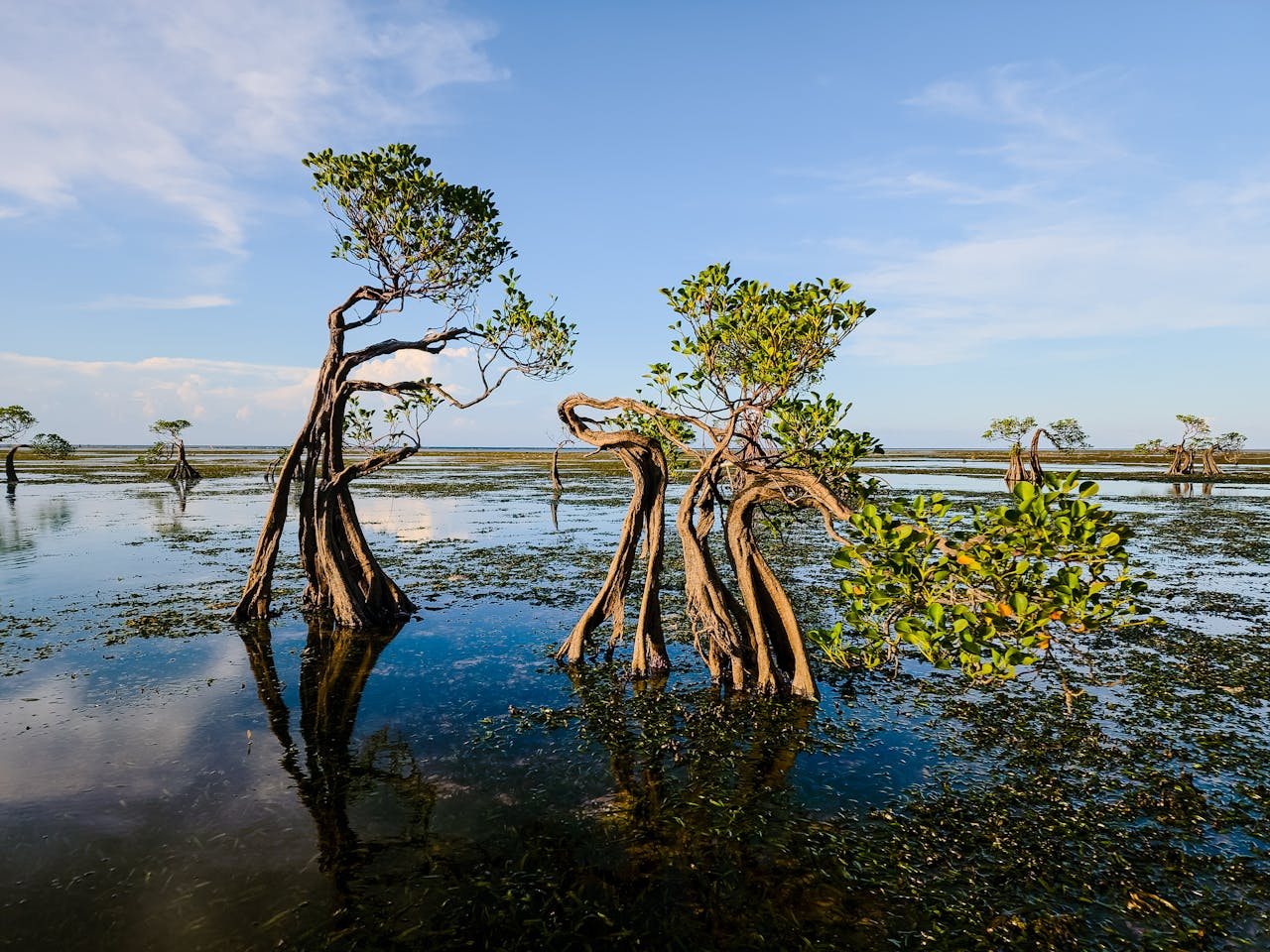
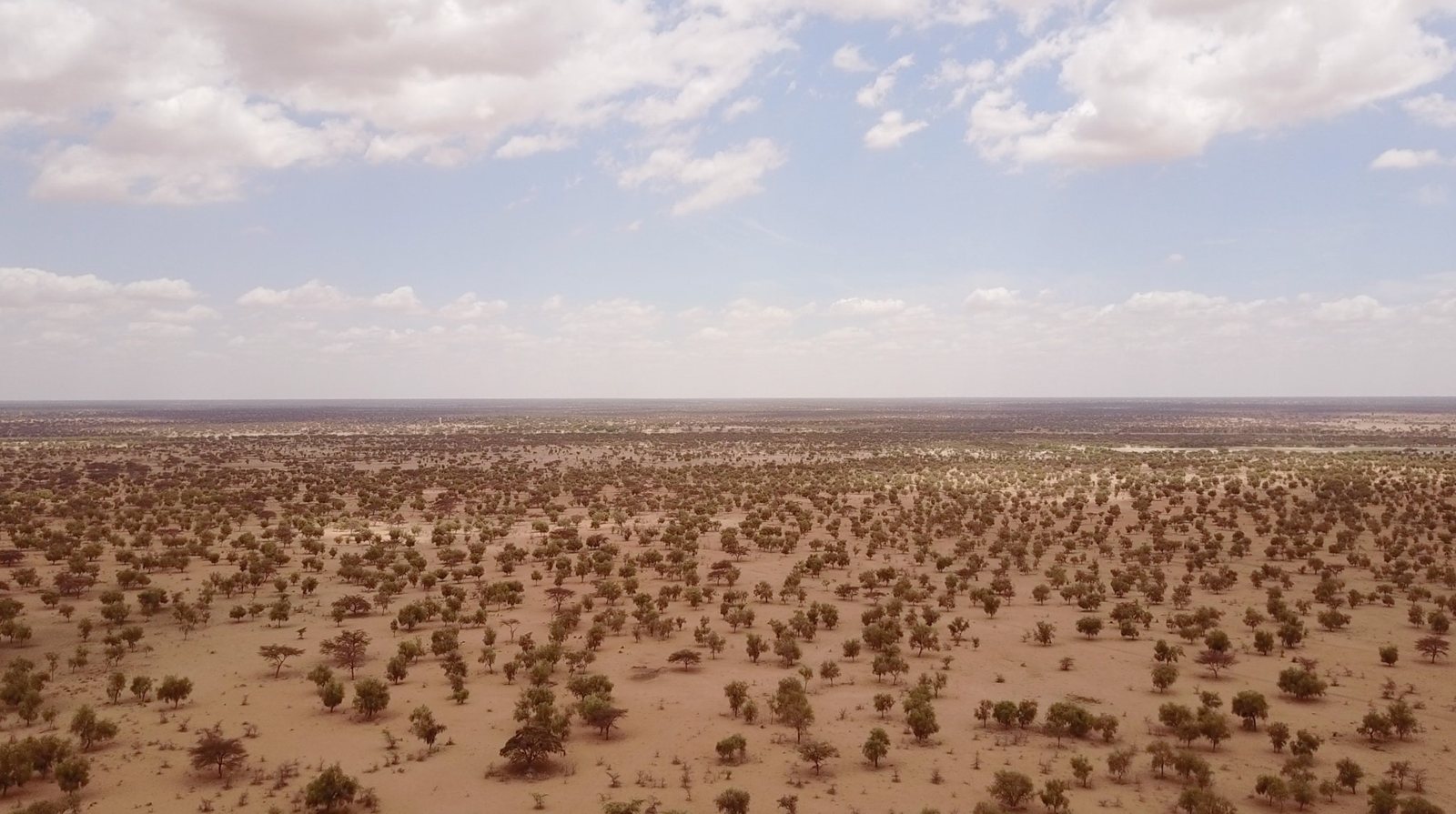
Cameroon has lost more than 2 million hectares of tree cover between 2001 and 2025. Much of this wood was used for household and business cooking. The deforestation trend raises environmental risks as carbon emissions rise and fewer trees are available to absorb them. The country has responded by strengthening its forestry governance through a 2024 Forestry Law. The law prioritises conservation, sustainable resource use and community rights. [globalvoices.org]
Cameroon is also implementing REDD+ and FLEGT programmes to curb illegal logging and support sustainable forest management. These initiatives aim to reduce emissions and promote better livelihoods for local communities. [globalvoices.org]
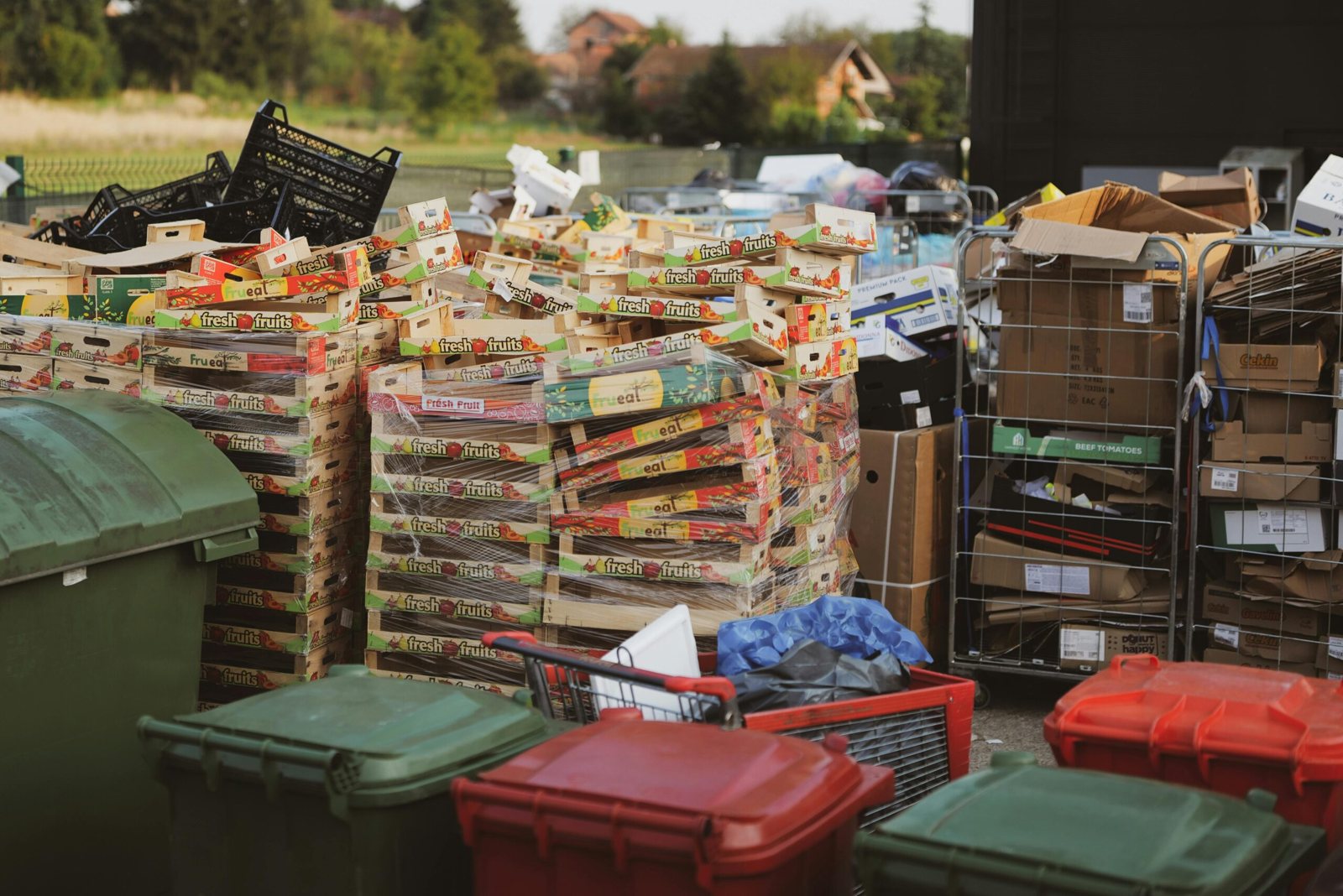
Eco‑charcoal briquettes are produced from recycled or renewable waste, including coconut husks, palm residues, sawdust, plantain skins and cassava peels. Producers say the process is efficient and can be carried out in controlled environments where surrounding trees help absorb emissions. Users report fewer respiratory hazards due to reduced smoke. They also save on cleaning costs since pots do not blacken. [globalvoices.org]
Environmental experts say eco‑charcoal could bring long term benefits because its raw materials come from household waste. This makes the supply chain affordable and widely accessible. It also reduces pressure on forests. Clean cooking advocates argue that sustainable fuels are essential for Cameroon’s population of 30 million. They emphasize this need particularly because hydropower plants cannot meet the full energy demand. They say clean fuel solutions align with global climate goals. [globalvoices.org]
Cameroon’s environmental laws also support this shift. The Code of Hygiene and Sanitation regulates waste management, public health, water systems and sanitation. It promotes safer disposal practices and helps mitigate pollution risks linked to traditional cooking fuels. [globalvoices.org]
Experts warn that economic, institutional and behavioural barriers still limit widespread adoption. However, they see opportunities for job creation and innovation in clean cooking technologies. National experts lead webinars to highlight the need for training. They emphasize local standards and advocate for more investment in modern cookstoves and renewable fuels. [theguardia...meroon.com]
Also Read: