The BRICS Shift: Africa’s Place in a Changing Global Economy
Africa is entering a decisive moment in global economics. For decades, international trade has been shaped by institutions and systems largely centred around Western economies.


Africa is entering a decisive moment in global economics. For decades, international trade has been shaped by institutions and systems largely centred around Western economies. The rise of BRICS and its impact on Africa's economy is now one of the strongest challenges to that structure.
The partnership began with Brazil, Russia, India, China and South Africa. It has grown into a platform for countries across the Global South. These countries are re-imagining financial and political cooperation. Africa is at the centre of this shift. The continent’s resources are abundant. Its demographics and strategic geography make it a key driver in a future where global power becomes more evenly distributed.
Africa’s involvement in BRICS
Africa’s involvement in BRICS began with South Africa’s entry in 2010. Yet, the relationship between African states and the bloc has deepened far beyond this symbolic membership. Several African countries have expressed interest in joining BRICS or aligning more closely with its initiatives. These include nations seeking alternatives to traditional financial systems that have struggled to tackle their development priorities. The bloc now indicates a significant share of global GDP, population and trade. Its expansion signals a growing appetite for economic systems not dominated by the United States dollar or Western-controlled institutions. A major driver of the BRICS shift is the search for financial sovereignty. Many developing countries believe the global financial system exposes them to economic instability, sanctions and currency volatility.
Reducing Dollar Dependence
Africa’s trade flows rely heavily on the dollar, even when exchanging goods with non‑Western partners. This dependency has become costly. Exchange rate fluctuations affect import bills. Transaction fees take revenue from businesses and governments. When financial sanctions hit major trading partners, African states often face unintended disruptions.
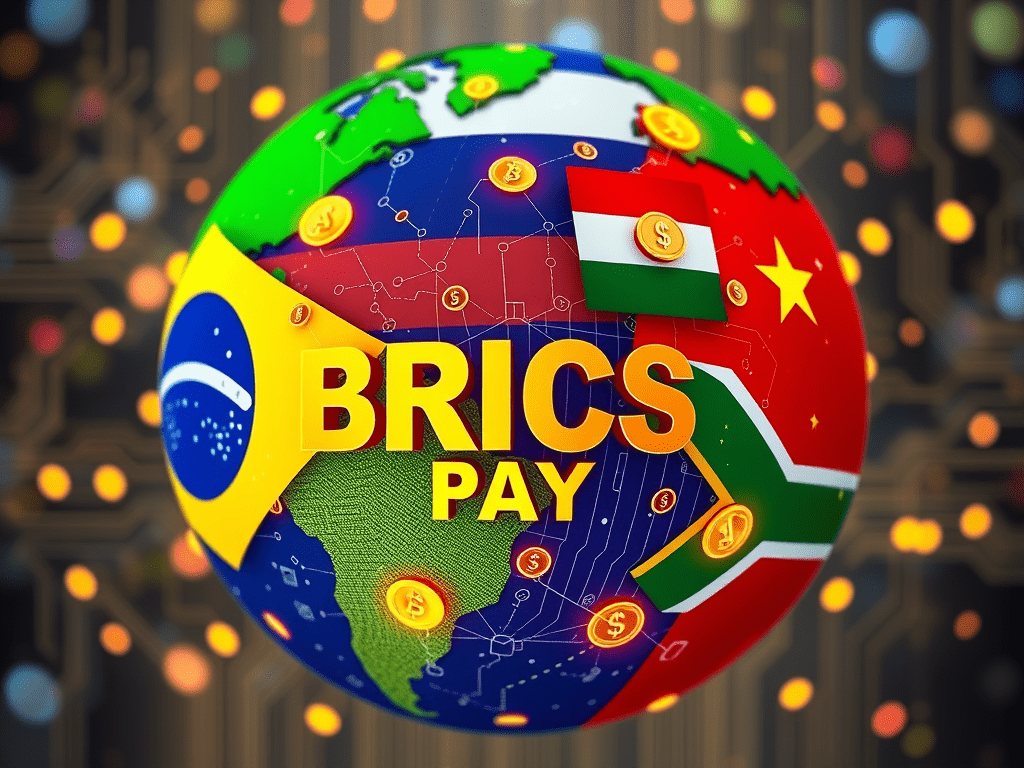
BRICS countries are working to offer alternatives. New payment systems, financial instruments and banking partnerships are part of this process. The development of BRICS Pay is one of the most prominent examples. It is a digital framework designed to support cross‑border payments in national currencies. Although still developing, this framework aims to reduce reliance on Western intermediaries. For African countries looking to trade with BRICS members, this will lower costs, strengthen regional value chains and offer more stable terms of exchange.
Africa’s Entry and Growing Strategic Influence
Africa’s appeal to BRICS members goes far beyond trade. The continent has some of the world’s richest reserves of minerals needed for modern industries. These include cobalt, lithium, platinum, rare earth elements and copper. As the world shifts to electric vehicles, digital infrastructure and renewable energy, demand for African minerals has intensified. BRICS countries, especially China and India, depend heavily on African resources to sustain industrial growth. Closer cooperation allows African countries to negotiate better terms, increase local beneficiation and attract investment into processing sectors that create jobs and skills.
Energy partnerships
Energy is another area where Africa is becoming central. Large gas reserves in Mozambique, Tanzania and Senegal offer opportunities for regional energy partnerships.
Hydro-power potential in Ethiopia, the DRC and Angola offer long‑term clean energy prospects. Solar and wind projects across North, East and Southern Africa align with the bloc’s broader goals of diversification and sustainability. BRICS countries are already major players in Africa’s energy landscape. Collaboration in financing, technology and infrastructure development is expected to grow as the bloc expands.
Infrastructure investment
Infrastructure also plays a major role in shaping Africa’s BRICS future. Roads, ports, railways, fibre networks and industrial corridors are essential to continental integration. BRICS members, particularly China, have financed and built large parts of Africa’s infrastructure. A broader BRICS framework will accelerate cooperation in transport, logistics, telecommunications and urban development. Without strong infrastructure, Africa can't open up its domestic markets or fully gain from global supply chains.
Partnerships that respect sovereignty
Governance is equally important. African countries want partnerships that respect national sovereignty and encourage mutual advantage. BRICS countries position themselves as partners that work through cooperation rather than conditionality. This appeals to governments seeking different development pathways. It also adds diplomatic weight. African states can negotiate from a stronger position when they have multiple funding and investment options. Engagement with BRICS can sit alongside Western partnerships and broaden the choices available for achieving national goals.
Africa’s political voice
BRICS countries want to reform global governance structures. Many African states share this goal. They argue that global institutions should mirror modern realities rather than post‑war power structures. Cooperation with BRICS helps amplify African positions on climate finance, debt reform, global trade rules and peace building.
Risks, Accountability and Long-Term Stability
The BRICS shift is not without challenges. Aligning diverse political systems and economic models requires careful negotiation. Africa must guarantee partnerships are transparent, sustainable and aligned with national development plans. Debt risks, regulatory environments and local capacity must be managed. Governments are learning from past experiences and are more assertive in their expectations.
The Future of BRICS in a Multipolar World
The next decade will decide Africa’s long‑term role in a multipolar world. The BRICS bloc offers opportunities for trade, finance, technology and development, and a platform to influence global reform.
Sources: Coin Telegraph | News.az